Each December, Pinterest quietly drops one of the most powerful trend forecasting tools in the marketing world. Most brands still overlook it.
The 2026 edition of Pinterest Predicts is now live, spotlighting 21 trends expected to rise over the next year based on global search data. Unlike fleeting viral content, Pinterest’s predictions focus on sustained growth. These are early signals of what mainstream culture will adopt next.
This article explores what’s inside the Pinterest Predicts 2026 report, why it matters to marketers and brand strategists, and how to turn trend data into campaign opportunities.
Short on time?
Here’s a table of contents for quick access:
- What is Pinterest Predicts 2026?
- Key trends to watch across industries
- Why this trend report matters to marketers
- How to turn Pinterest trend data into strategy
 Patrecia Meliana
What is Pinterest Predicts 2026?
Pinterest Predicts is not your average trends list. The company analyzes billions of user searches globally to identify patterns with strong year-over-year growth. The 2026 edition, released in December 2025, covers emerging behaviors across categories like:
- Fashion and beauty
- Home decor
- Food and drink
- Travel
- Parenting and celebrations
It also breaks down which age groups are driving these searches. Gen Z might lead some trends, but Millennials, Gen X, and even Boomers play key roles in others.
Pinterest claims that 8 in 10 of its trend forecasts in previous years have come true. That’s a predictive edge marketers can’t afford to ignore.
Key trends to watch across industries
Here are some of the most marketer-relevant trends from the 2026 report:
1. Afrobohemian interiors
Searches for “afrobohemian home decor” are up 220 percent, alongside rising interest in adire fabric, Ethiopian art, and rattan furniture.
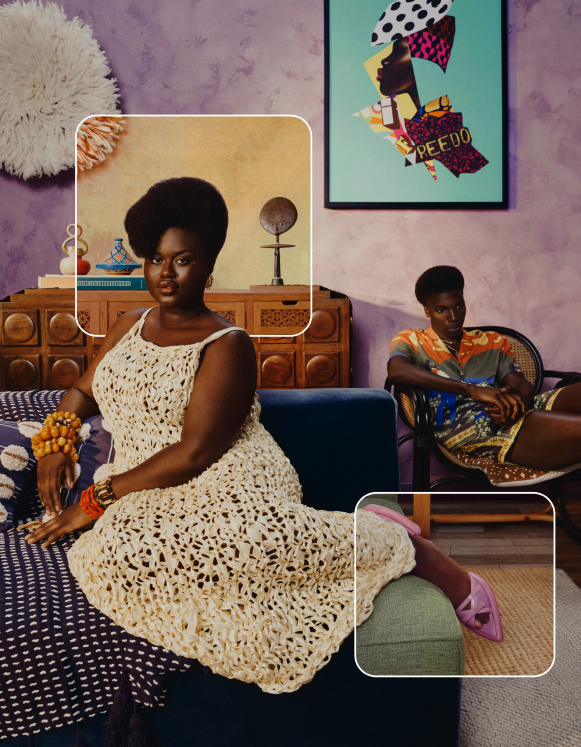
Why it matters: Great for home decor brands, interior designers, or tourism marketers looking to spotlight African culture and design.
2. Scent stacking
Fragrance layering is having a moment. Pinterest saw a 500 percent spike in “niche perfume collection” searches and 125 percent growth in layering combinations.
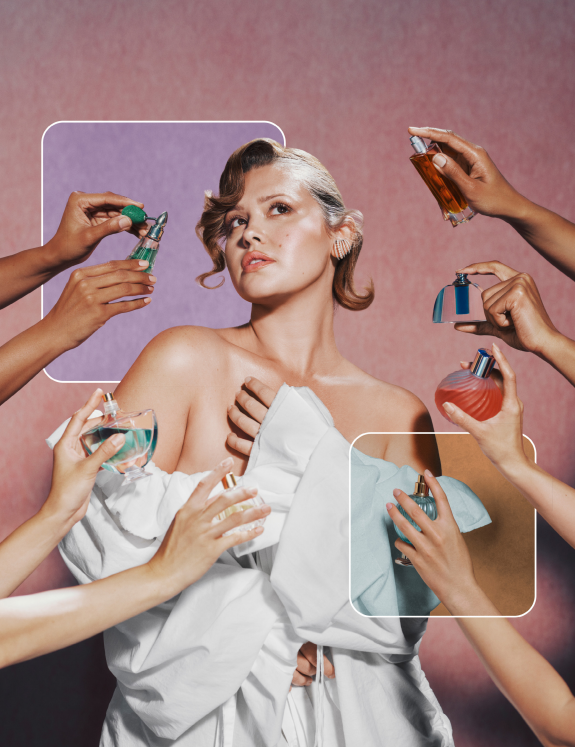
Why it matters: Beauty brands can use this trend to build personalized fragrance journeys and content around luxury rituals.
3. Cabbage is the new cauliflower
Cabbage steaks, dumplings, and even fermented cocktails are on the rise. Searches for “cabbage dumplings” are up 110 percent.
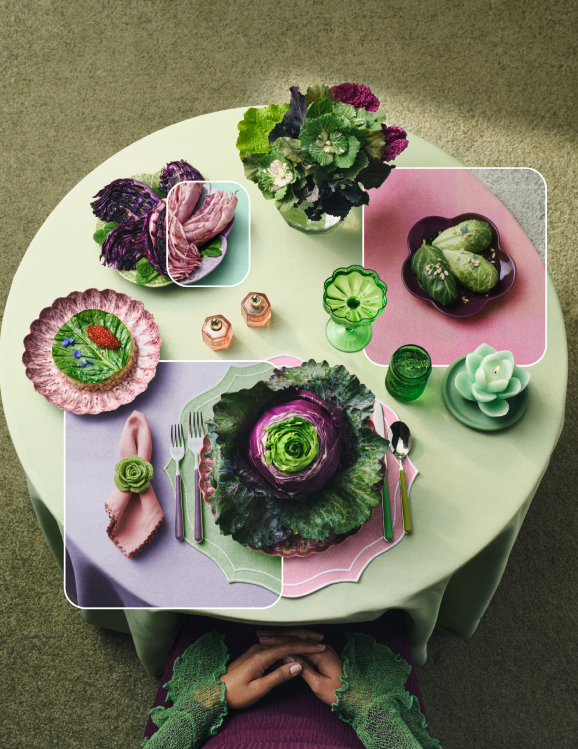
Why it matters: Food and beverage marketers can use this shift for new product stories or healthier menu campaigns.
4. Aliencore and futurism
Intergalactic aesthetics are showing up in beauty, fashion, and design. “Alien-inspired makeup” is up 140 percent, with searches for “opalescent” and “futuristic truck” also climbing.
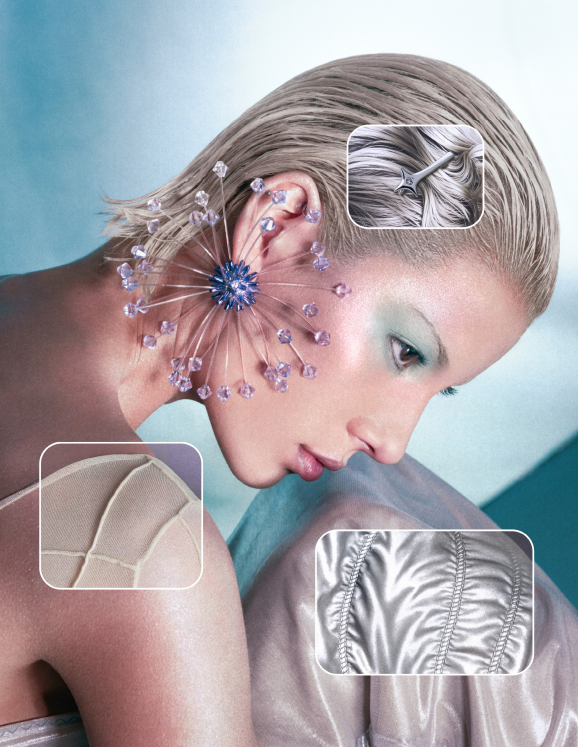
Why it matters: Gen Z brands can jump on this visual wave for bolder campaigns or experimental styling.
5. Gummy and jelly textures
From rubberized nails to jelly blush, squishy textures are trending. “Jelly blush” searches rose 130 percent.
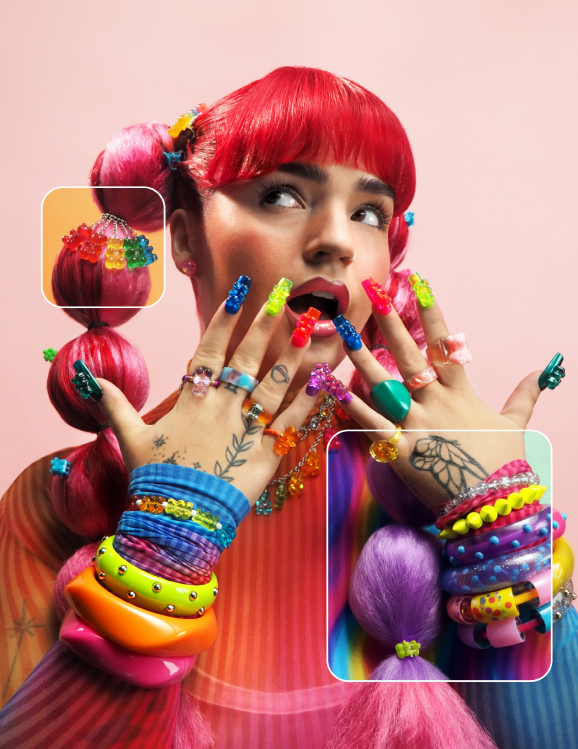
Why it matters: Wellness and beauty brands can lean into tactile packaging or playful product design.
Why this trend report matters to marketers
Marketers are expected to anticipate where culture is going before it arrives. Pinterest Predicts gives data-backed signals of what people are preparing to try, not just what they are already doing.
This is a sharp contrast to Google Trends, which often reflects reactionary search interest. Pinterest captures what users are intentionally planning, pinning, and saving.
For marketers, this kind of intent data is useful for:
- Planning seasonal campaigns or product launches
- Building content calendars aligned with rising cultural signals
- Pitching timely creative ideas to clients or leadership
- Spotting cross-category innovation before competitors do
If your brand is late to the “gummy aesthetic” or “lace-core,” don’t blame the algorithm. Pinterest already told you it was coming.
How to turn Pinterest trend data into strategy
Here are three practical ways to turn this year’s trend report into action:
1. Match trends to content or campaign calendars
Use Pinterest’s language and aesthetic as the theme for seasonal campaigns. For instance, “Khaki Coded” could frame an outdoor travel push, while “Opera Aesthetic” fits a luxury events brand.
2. Build SEO clusters from early trend terms
These trends offer early keyword signals. Start writing blog posts or videos around terms like “afrobohemian living room” or “scent stacking tips” to get ahead in search visibility.
3. Reframe product storytelling
Use Pinterest’s creative language to reposition products. Instead of “vintage glam,” call your next lookbook “Neo Deco” and tie it to geometric chrome and red marble textures.
Pinterest Predicts is more than just a style guide. It is a cultural trend engine grounded in data and planning intent.
The best marketers will go beyond browsing. They will use the report to guide campaign themes, inspire product design, and shape narrative direction. Even if only a few trends apply to your brand, using them strategically can make your marketing feel fresh, timely, and tapped into what audiences are already dreaming about.


Leave a Reply