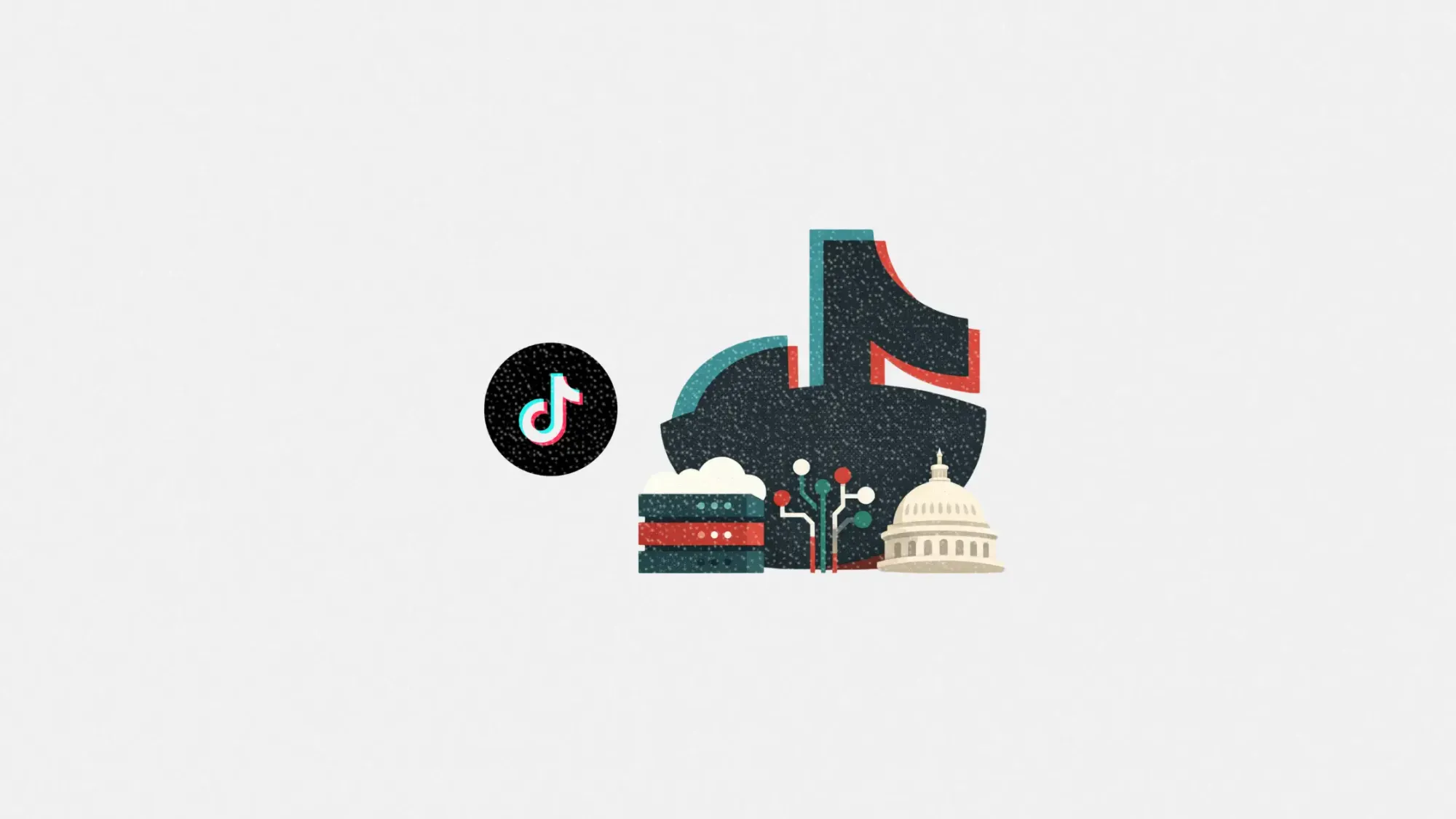
TikTok’s ongoing saga with U.S. lawmakers just took another sharp turn. ByteDance, the app’s Chinese parent company, has officially set up a separate American entity, TikTok USDS Joint Venture LLC, to operate the platform in the United States.
This move isn’t just a cosmetic shift. It’s the result of mounting political pressure and a 2024 law that requires TikTok’s U.S. operations to be operationally separated from its Chinese roots. The goal is to ease national security concerns about foreign access to user data.
For marketers, especially those who rely on TikTok for campaigns and community building, this structural change raises new questions. Platform ownership directly influences content policies, algorithm behavior, and long-term viability. This article breaks down who owns what, what the new structure means, and how marketers should respond.
Short on time?
Here is a table of content for quick access:
 Patrecia Meliana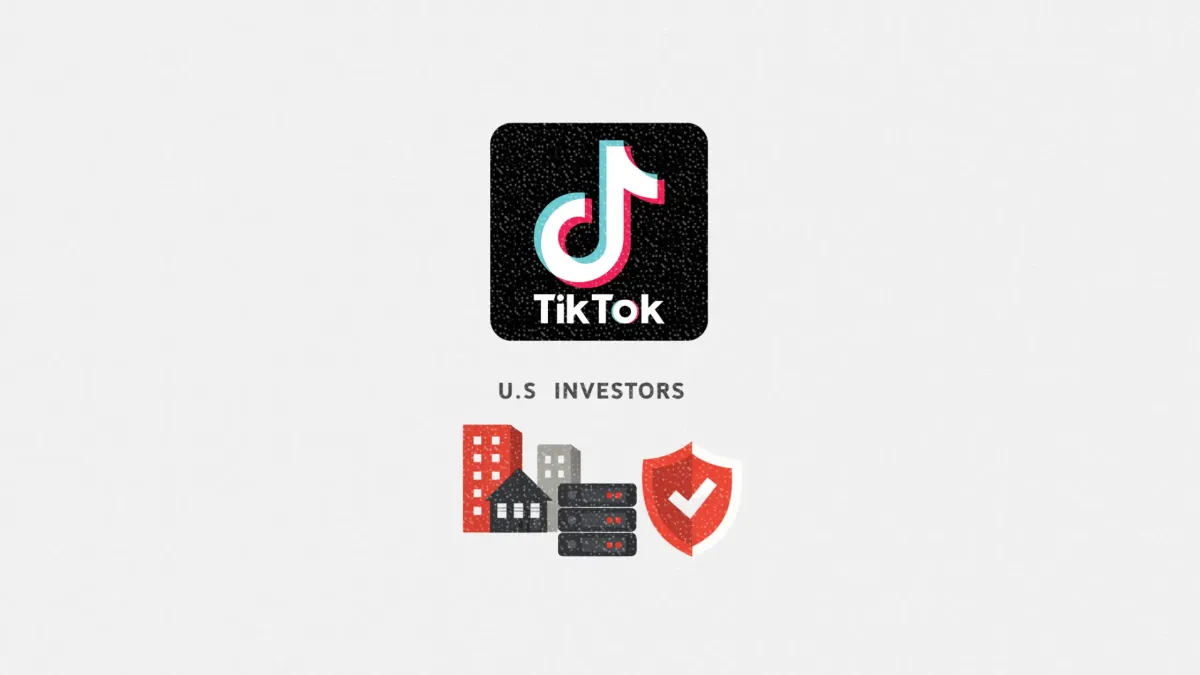
Who owns TikTok US now?
ByteDance now holds just 19.9% of TikTok’s U.S. entity. The remaining 80% is held by a mix of American and international investors with interests in tech infrastructure, AI, and private equity.
Three key players—Oracle, Silver Lake, and MGX—each own a 15% stake, making up a combined 45% of the U.S. business. Here’s what you need to know about them.
- Oracle
Oracle is TikTok’s official security partner. The cloud computing giant already manages TikTok’s U.S. user data, and under the new structure, it audits security compliance and oversees algorithm updates.
Oracle brings both technical credibility and political clout. Executive Chairman Larry Ellison, a known Trump ally, adds a layer of strategic alignment with U.S. regulatory interests.
- MGX
MGX is a UAE-based investment firm with deep roots in AI. Backed by sovereign fund Mubadala and AI firm G42, MGX has invested in OpenAI, xAI, and Anthropic, and is a key player in a US$100 billion AI data center project that also includes Oracle.
Its stake in TikTok could influence how the platform prioritizes AI development, moderation tools, and recommendation engines—all of which shape what users see and how brands reach them.
- Silver Lake
Silver Lake is a U.S. private equity heavyweight with a long history of tech investments, including Twitter, Dell, and Airbnb. While its role in TikTok is more financial than operational, its strategic direction could influence monetization models or future partnerships.
Silver Lake has worked with MGX before, and both firms have exposure to G42, suggesting a tightly aligned investor group with shared AI and infrastructure priorities.
What marketers should know
The new ownership structure may reduce ByteDance’s visible control, but TikTok’s U.S. operations still sit at the intersection of global tech, AI investment, and regulatory oversight. Here’s what savvy marketers need to keep in mind as they continue using the platform.
1. ByteDance is still in the picture
Even with a reduced stake, ByteDance continues to license TikTok’s core recommendation algorithm to the U.S. entity. That means the Chinese company still has technical influence, and the U.S. arm remains partially reliant on its parent company for product functionality.
2. AI strategy may shift
With MGX and Oracle involved, TikTok’s AI roadmap could evolve to reflect more global, enterprise-grade infrastructure. Marketers should monitor how this affects content visibility, ad performance, and user experience—especially as algorithmic transparency becomes a regulatory focus.
3. Data access could tighten
Oracle’s expanded role in overseeing updates and data storage could mean stricter compliance with U.S. data laws. Marketers who rely on TikTok analytics or custom targeting may face new limits or shifts in how data is shared and accessed.
4. Geopolitical risk isn’t going away
This restructure may buy TikTok time in the U.S., but the political scrutiny remains. Any flare-up in U.S.–China tensions or a change in administration could reopen the question of whether TikTok should be fully banned or sold off again.
TikTok’s new structure might satisfy some lawmakers, but for marketers, it’s not a clean break from uncertainty. The platform’s reach and influence make it hard to ignore, yet its legal and operational volatility make it risky to rely on too heavily.
The smartest move? Diversify your content portfolio, keep a close eye on policy changes, and use TikTok while preparing for what happens if its status changes again.


Leave a Reply