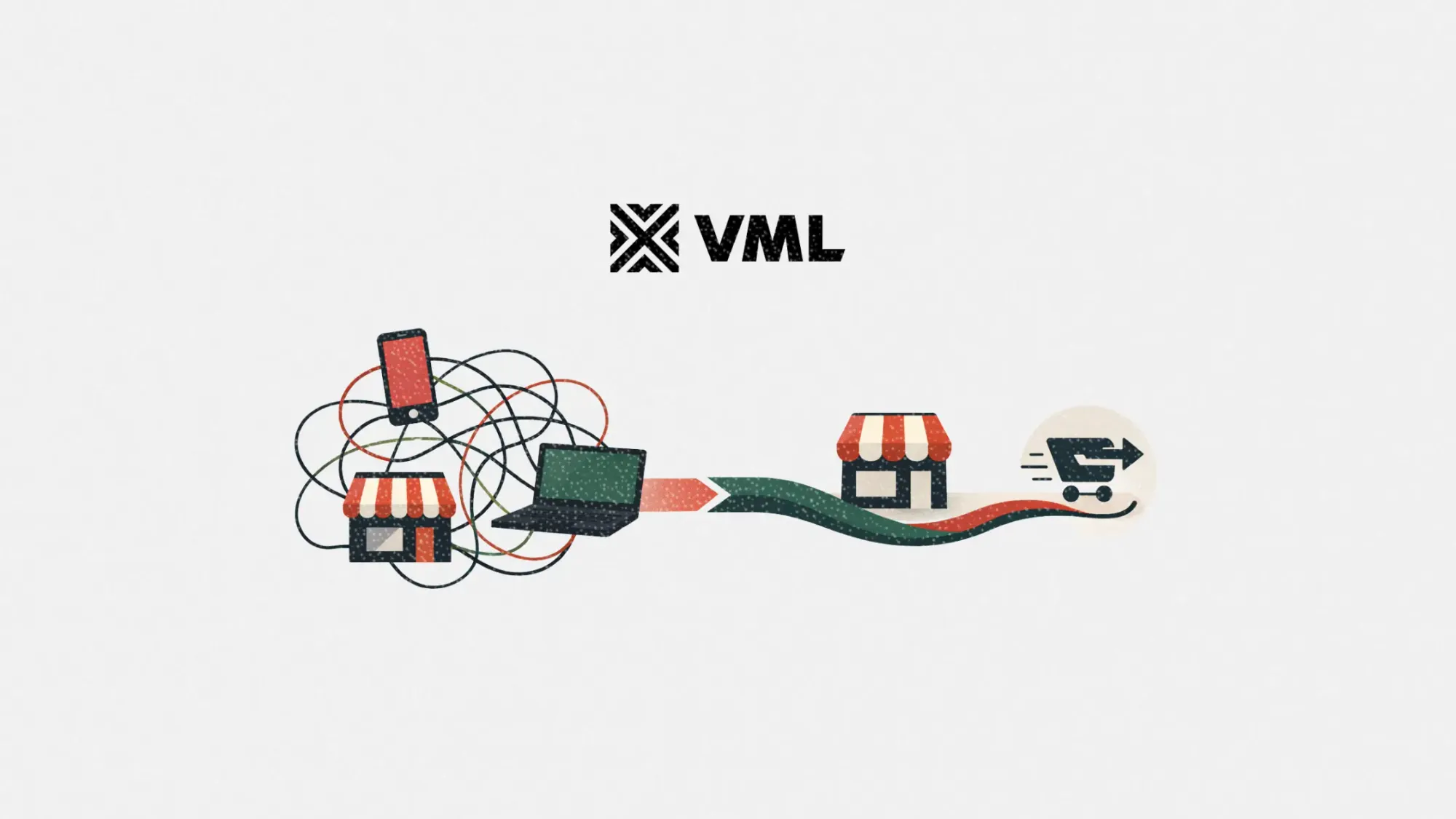
The ecommerce playbook of the last decade has been simple: be everywhere.
But VML’s Future Shopper 2025 report reveals a strategic shift that should make marketers pause. Shoppers still want connected experiences — but they’re increasingly frustrated when brands try to do too much and fail to do it well.
This article breaks down why “omnichannel” is starting to feel like overkill, how marketplaces still dominate despite a dip in share of wallet, and why a smarter, leaner optichannel strategy could be the key to future growth.
Short on time?
Here’s a table of contents for quick access:
- How omnichannel fatigue is changing consumer expectations
- Why marketplaces still dominate (but not like before)
- What marketers should know about optichannel strategy
- From physical retail to compressed commerce: the next frontier
 Patrecia Meliana
How omnichannel fatigue is changing consumer expectations
On paper, omnichannel still wins. Sixty-two percent of global shoppers say they prefer to buy from brands that have both online and physical stores. But that doesn’t mean shoppers want brands to be everywhere at once. In fact, 53% of consumers wish brands would offer seamless communication across channels — a number that has actually dropped from 61% last year.
The takeaway: consumers expect coherence, not clutter. They want the flexibility to research in one place and purchase in another, but they don’t want to feel like they’re navigating disconnected systems or feature-bloated apps.
VML puts it bluntly: the idea that brands must “be everywhere all at once” has led to diminishing returns and stretched resources. It’s no longer about omnichannel at all costs — it’s about choosing the right mix.
Why marketplaces still dominate (but not like before)
Marketplaces continue to be the most important touchpoint across the full shopper journey — from discovery to purchase. The leading marketplace in each region accounts for:
- 22% of inspiration
- 18% of information gathering
- 17% of search
- 11% of purchases…but the combined share of wallet across all marketplaces fell to 22%, down from 29% last year.
So while consumers still start on marketplaces, they’re open to buying elsewhere. That’s a cue for brands to double down on owned channels — but only if they can match the basics: speed, clarity, trust, and delivery reliability.
The report also notes that marketplaces excel in areas like fast delivery (46%), free delivery (44%), and product availability. This sets the baseline for what consumers now expect from any channel.
What marketers should know about optichannel strategy
Optichannel is VML’s term for a smarter, more focused approach to channel planning. Instead of being present everywhere, brands should invest in the right channels for their target audience, region, and category.
Here’s what that looks like in practice:
- Use data to prioritize: Where do your customers actually research, shop, and reorder? Focus there.
- Deliver coherence: Consumers want to move between channels without friction. Make hand-offs between in-store, mobile, and web seamless.
- Optimize for discoverability: Search engines have re-emerged as a top discovery tool (17% for search phase), so SEO matters again.
- Don’t mimic marketplaces — beat them where it counts: Fast delivery, better product content, and human-centric service can still be competitive differentiators.
For most brands, this means simplifying digital strategy, auditing their CX flows, and dropping underperforming channels rather than propping them up.
From physical retail to compressed commerce: the next frontier
Despite digital’s dominance, physical shopping is making a comeback. One-third of consumers say they enjoy the immediate gratification of taking products home — the top reason for choosing in-store over online. Shoppers also value product availability, helpful staff, and store cleanliness — all basic but often overlooked operational wins.
Meanwhile, on the digital side, “compressed commerce” is on the rise. Fifty-eight percent of global consumers want to go from inspiration to purchase as quickly as possible.
The bottom line? Shoppers will keep blending digital and physical experiences — but they won’t tolerate friction in either.


Leave a Reply