Faced with inconsistent payouts, changing algorithms, and brand deal volatility, top YouTubers are now building full-fledged business empires off-platform.
This article explores how creators like MrBeast, Emma Chamberlain, Logan Paul, and others are diversifying their income streams through retail brands, fintech plays, and brick-and-mortar businesses.
These shifts offer important lessons for marketers navigating platform risk, audience ownership, and the changing dynamics of influencer value.
Short on time?
Here’s a table of contents for quick access:
- Why creators are walking away from ad revenue
- How top YouTubers are building business empires
- What marketers should know about this shift
 Patrecia Meliana
Why creators are walking away from ad revenue
YouTube’s ad program has long been positioned as a way for creators to turn content into cash. But that revenue stream is unstable. Ad rates fluctuate with the economy, and YouTube’s frequent policy updates make brand safety harder to maintain. As a result, creators often face earnings declines with little warning.
More critically, creators have realized they don’t own their platform — YouTube does. Algorithm changes, demonetization, and advertiser boycotts can impact earnings overnight. To hedge against these risks, many creators are building their own businesses that don’t rely on YouTube’s monetization systems.
These moves aren’t just about survival. They’re about scale, sustainability, and long-term brand value.
How top YouTubers are building business empires
MrBeast
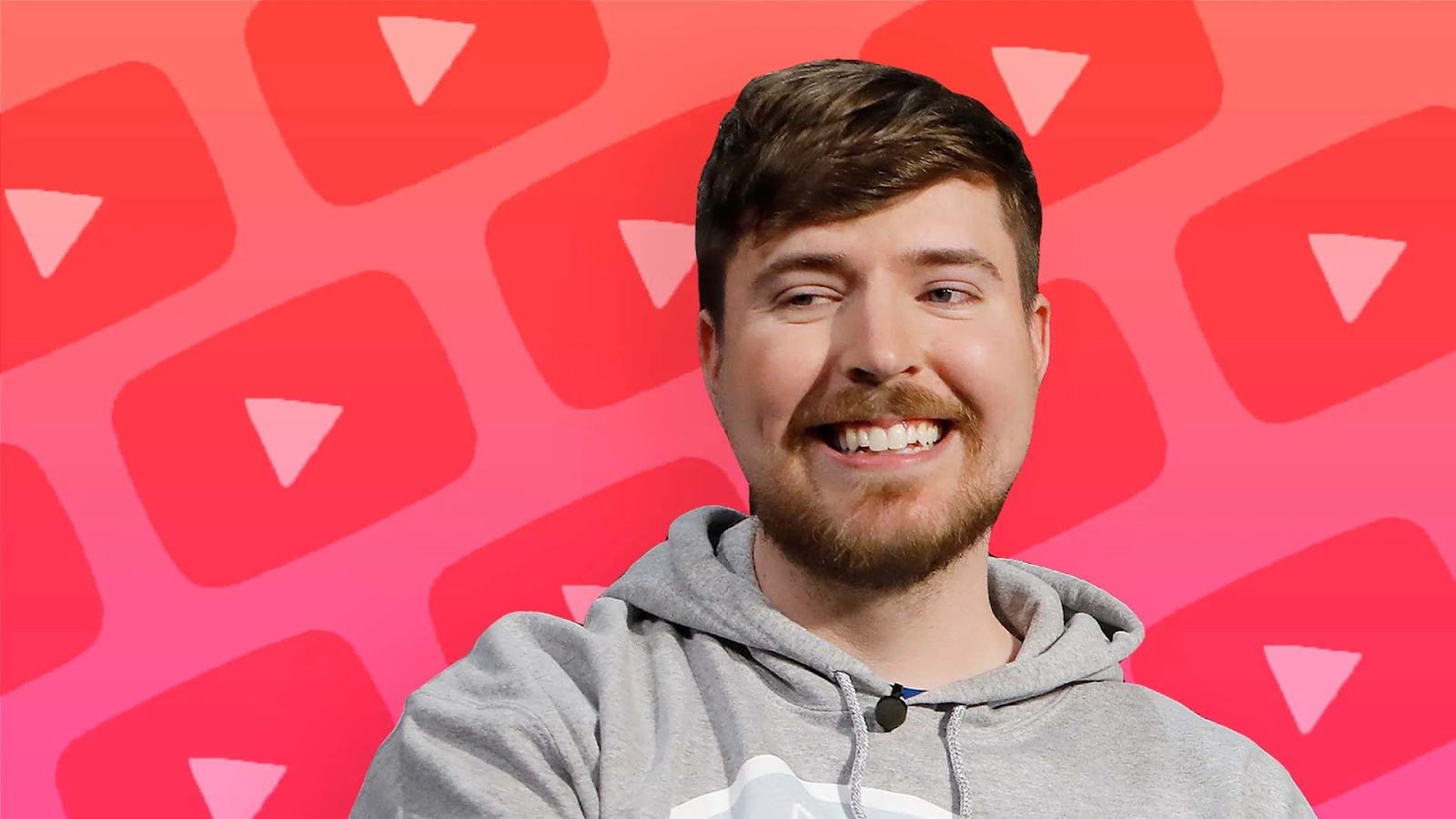
Jimmy Donaldson, aka MrBeast, has arguably turned YouTube entrepreneurship into an art form. Beyond his 442 million subscribers and viral content, his business moves span sectors:
- Retail: Feastables, a snack brand he launched in 2022, raked in US$250 million in 2024 and generated more than US$20 million in profit. That’s more than his YouTube or streaming series reportedly earned.
- Fintech: In 2026, he acquired Gen Z banking app Step and filed trademarks for a crypto and financial services platform.
- Telecom: He’s developing a mobile virtual network operator (MVNO), potentially partnering with major telcos.
- Entertainment + Retail: A MrBeast theme park is in the works in Saudi Arabia, and he continues to expand product lines like MrBeast Lab (toys), Lunchly (packaged food), and Viewstats (analytics).
- Deal-making: He even attempted to co-buy TikTok’s US ops via an investor consortium.
Emma Chamberlain
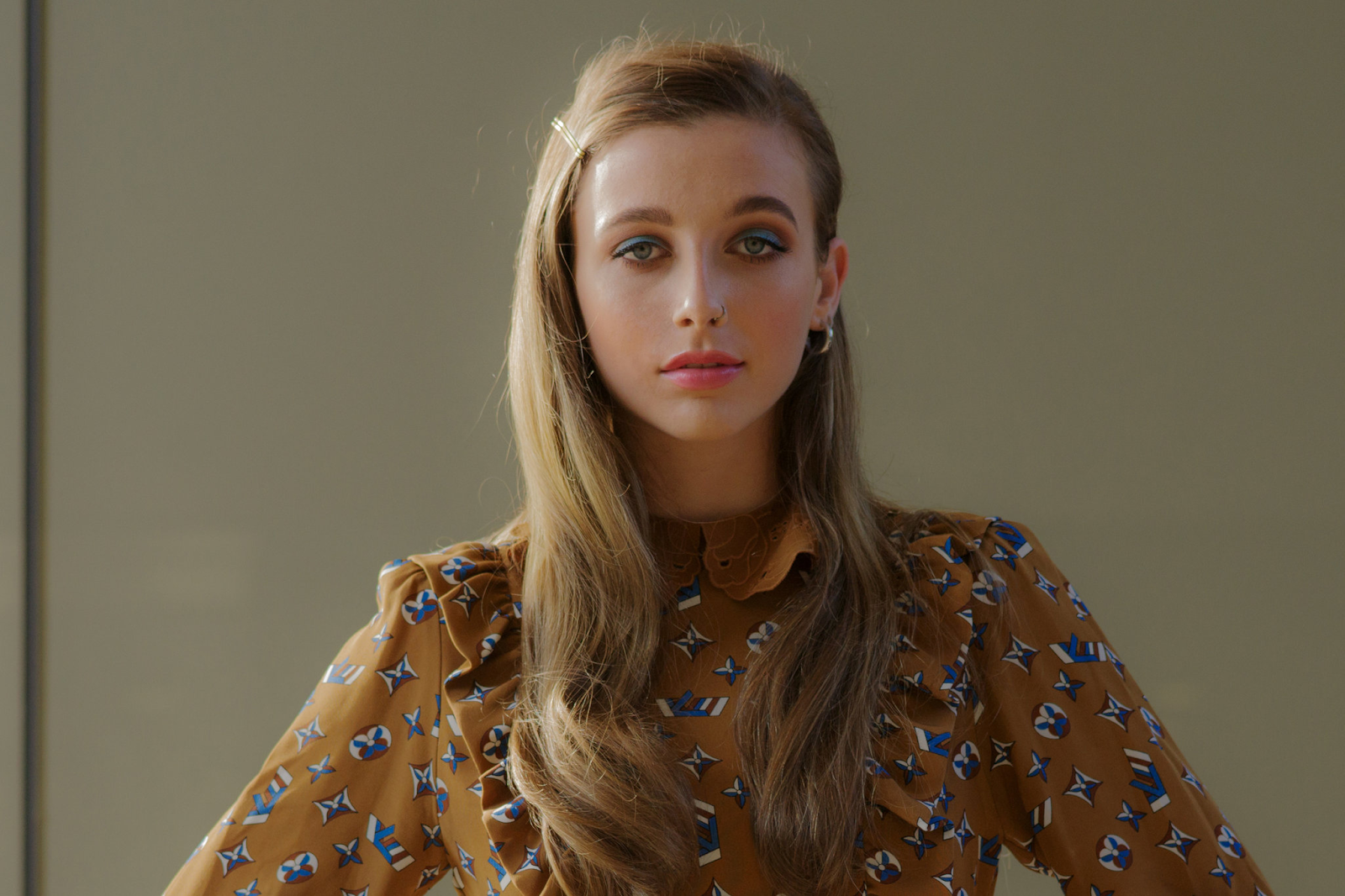
With 12 million subscribers, Chamberlain took her personal brand into the beverage aisle with Chamberlain Coffee. Originally launched in 2019, the brand has evolved from DTC coffee bags to retail distribution across Target and Walmart, and now a physical storefront.
Revenue hit US$20 million in 2023, and despite 2024 supplier issues, forecasts suggest a rebound to US$33 million in 2025. The brand aims to be profitable by 2026.
Logan Paul
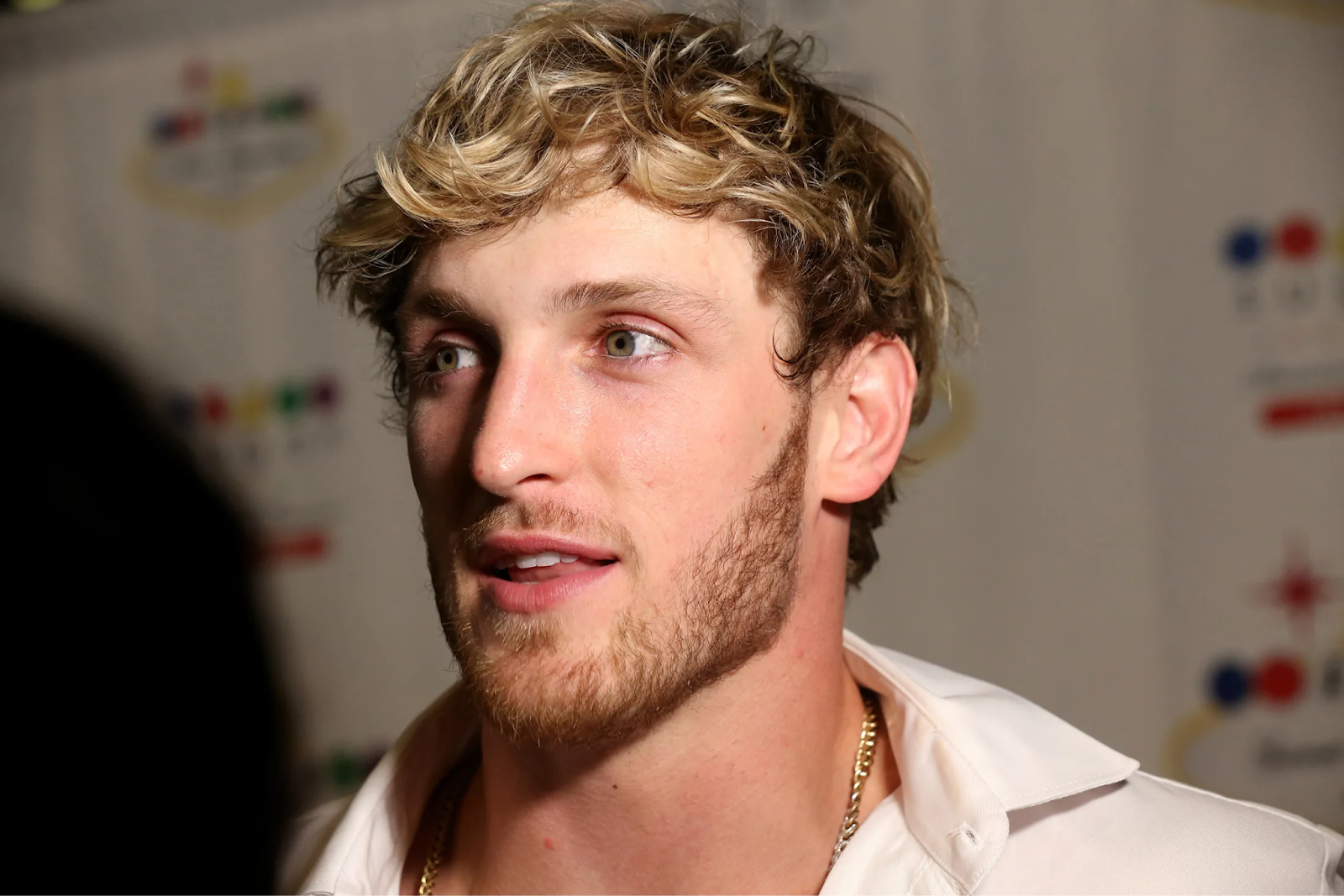
From controversy to commerce, Logan Paul has pivoted hard:
- Prime Energy Drink, co-founded with KSI, exploded in 2022 and surpassed US$1.2 billion in sales in 2023. However, sales have since dropped and the brand faces legal and regulatory challenges.
- Maverick Apparel brought in up to US$40 million in 2020.
- His broader portfolio includes W (grooming), Betr (betting), and media investments via the Anti Fund.
Ryan’s World
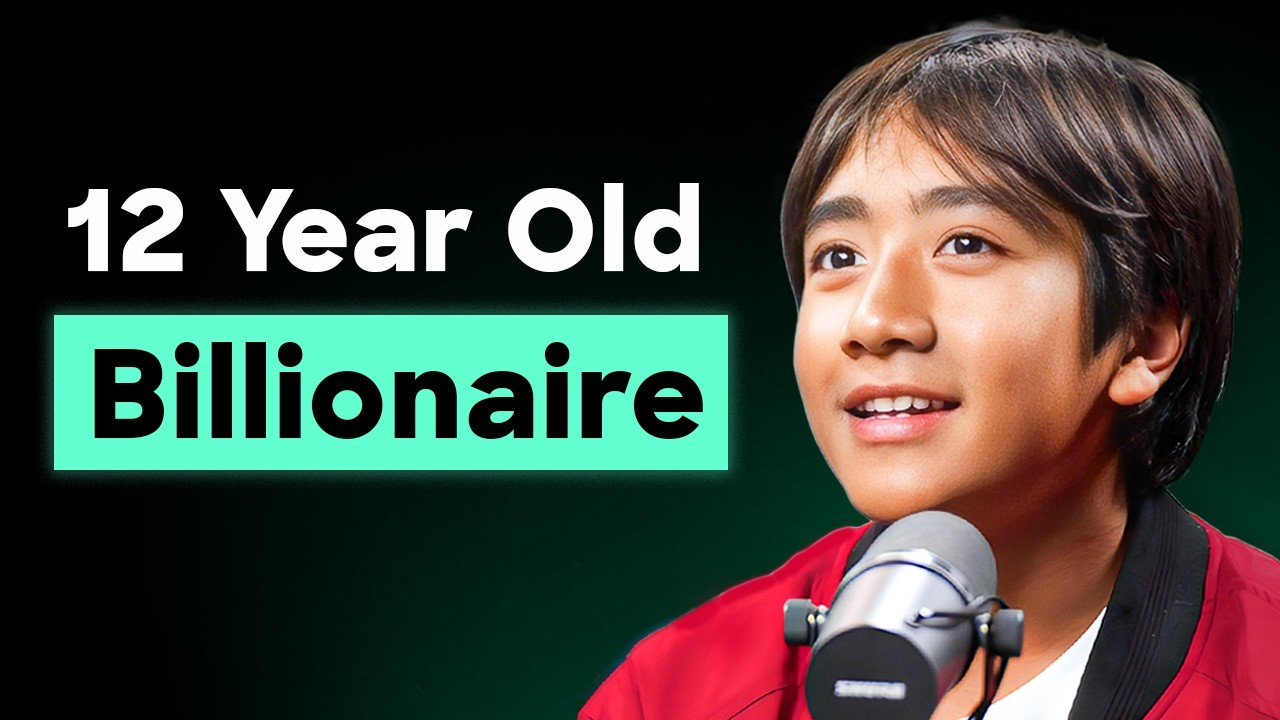
Thirteen-year-old Ryan Kaji built an empire from unboxing toys. His brand has since moved into retail partnerships, a streaming show, and an educational app. His branded toys and apparel generated over US$250 million in 2020.
Rosanna Pansino
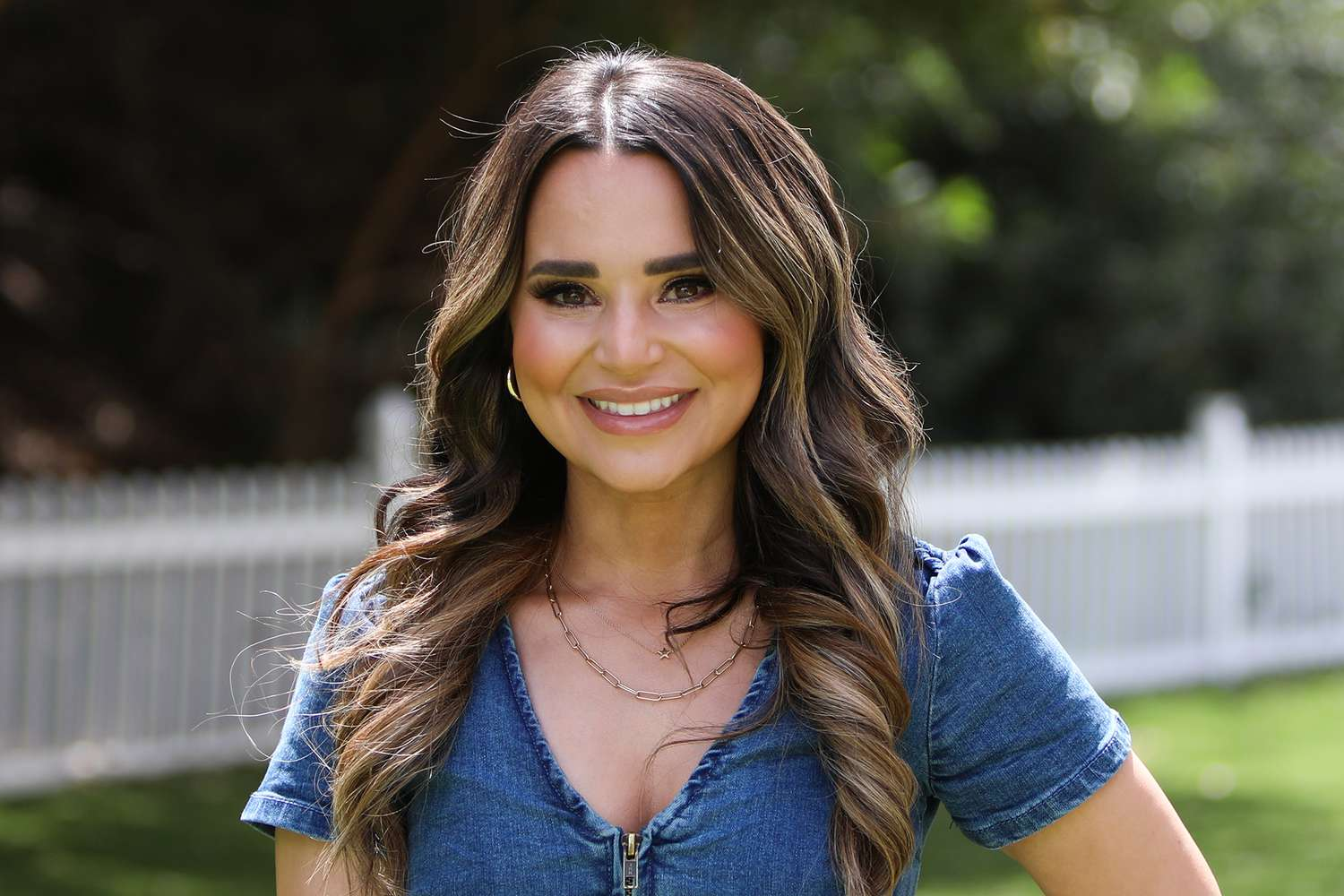
Known for baking content, Pansino’s Nerdy Nummies brand has extended into cookbooks and a cookware line sold through Amazon. She joins creators like Babish (Babish Cookware) and Rhett & Link (MishMash Cereal) in owning product categories.
Michelle Phan & Huda Kattan
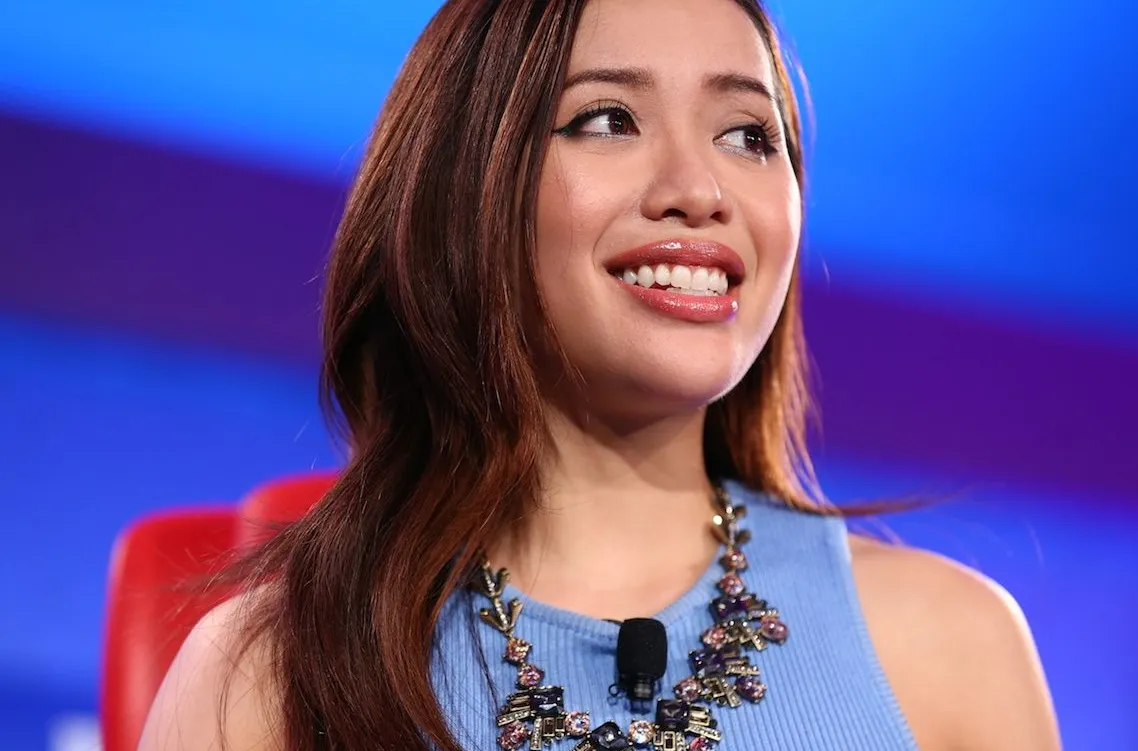
Early YouTube beauty influencers Michelle Phan and Huda Kattan both turned content into product dominance. Phan co-founded Ipsy and launched EM Cosmetics. Kattan’s Huda Beauty now generates hundreds of millions in revenue annually.
What marketers should know about this shift
Creators evolving into brand owners isn’t just a personal play — it’s a structural shift in how influence and revenue scale across digital ecosystems. Here’s what matters:
- Platform independence is now the endgame
The smartest creators are treating YouTube like a funnel, not a finish line. Brands should be wary of influencers overly reliant on any single platform.
- Retail-ready audiences are here
With creators already building loyal communities, many have an easier time achieving product-market fit than traditional startups.
- Creator-led brands can scale fast — but face real-world risks
Feastables is profitable, but Prime is under legal fire. Chamberlain Coffee struggled with suppliers. Offline success brings operational complexity.
- Co-branding potential is shifting
Instead of slapping a logo on someone else’s product, creators now expect real equity, product control, or startup involvement.
- Marketers need new KPIs
Reach is table stakes. The ability to activate communities toward product adoption, retail footfall, or recurring purchases is the real value now.
For brand strategists and B2B marketers, these trends aren’t just about YouTube. They signal how digital attention is being converted into enterprise value — and what it takes to partner effectively in this evolved creator economy.
YouTube may still be the biggest stage for creators, but it’s no longer the main business model. The era of creator-as-entrepreneur is here — and it’s reshaping what influence, monetization, and brand-building look like in 2026.
For marketers, it’s time to think less about views and more about vertical integration. The future of influencer partnerships lies in ownership, not just visibility.


Leave a Reply