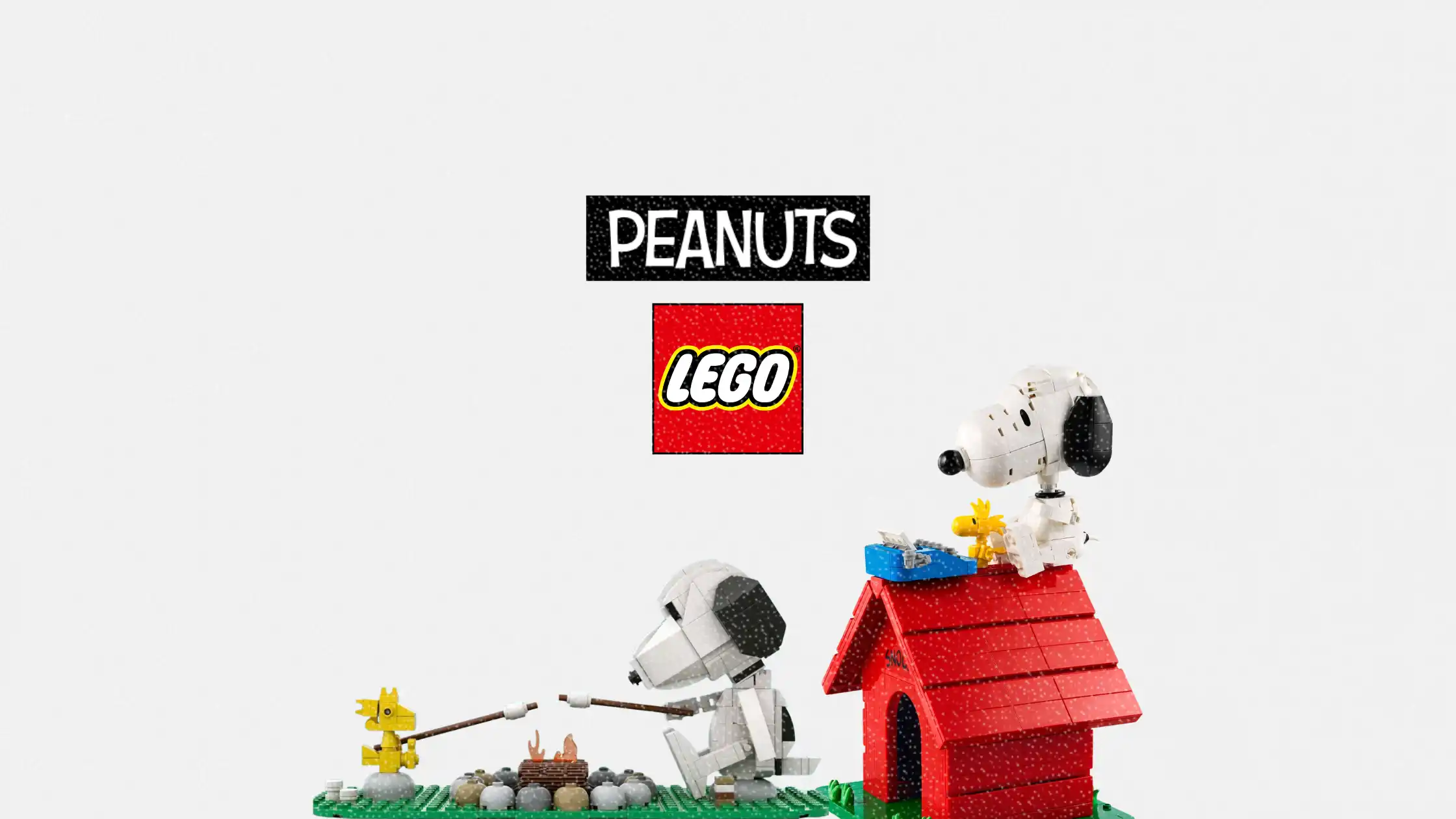
As brands look for ways to turn legacy IP into fresh, cross-generational engagement, the LEGO Group’s latest collaboration offers a masterclass in nostalgia-driven marketing. To mark 75 years of Peanuts, LEGO has unveiled its first-ever brick-built Peanuts set: LEGO Ideas Peanuts: Snoopy’s Doghouse.
This article explores what the launch means beyond fandom. From community-powered product development to experiential retail activations, the Snoopy set highlights how heritage brands can stay culturally relevant while deepening loyalty among collectors and adult fans.
Short on time?
Here’s a table of contents for quick access:
- What LEGO and Peanuts have launched for Snoopy’s 75th anniversary
- How the LEGO Ideas programme turned fandom into product
- Why nostalgia collaborations are a strategic growth lever
- What marketers should know about community-driven IP launches
 Patrecia Meliana
What LEGO and Peanuts have launched for Snoopy’s 75th anniversary
The LEGO Group has partnered with Peanuts to launch the LEGO Ideas Peanuts: Snoopy’s Doghouse set, a 964-piece build-and-display model available for pre-order from 14 February 2026 and on sale from 1 June 2026.
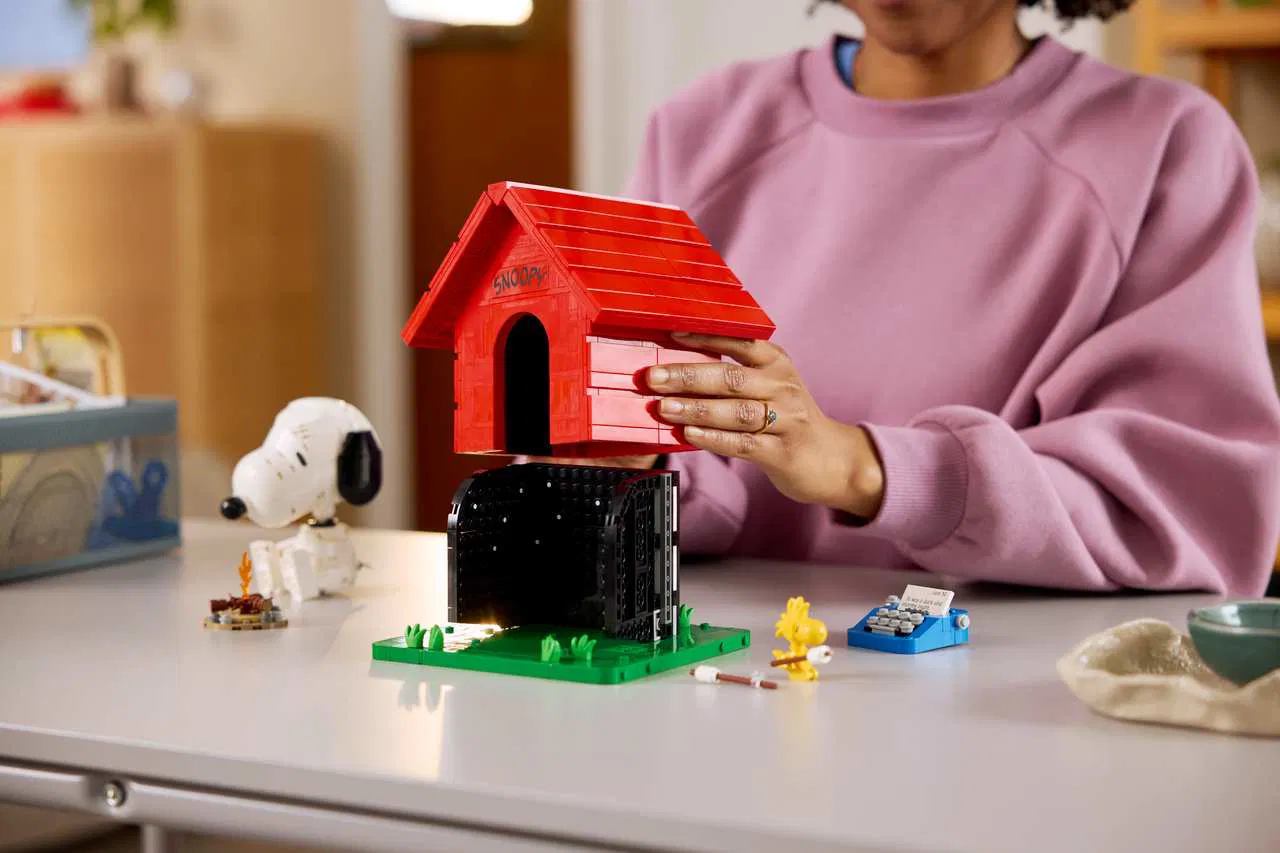
Based on popular scenes from the comic strip’s 75-year history, the set allows fans to pose Snoopy and Woodstock in multiple ways. Builders can recreate a campfire scene under a starry sky, with marshmallows roasting over an open fire. Snoopy can also be displayed lying atop his iconic red doghouse, typing on a LEGO typewriter, sitting upright, or even standing, thanks to adjustable legs and neck.

The set was designed by Atlanta-based LEGO fan Robert Becker through the LEGO Ideas programme. After achieving 10,000 votes on the platform, it passed the LEGO Ideas Review Board’s selection process and was approved for official production.
Monica Pedersen, Marketing Director at the LEGO Group, described the set as “clearly inspired by an iconic scene from the Peanuts comic strip,” highlighting the addition of the red doghouse to enhance its timeless appeal. Scott Shillet, VP, Global Licensing Hardlines of Peanuts, called the collaboration a long-awaited union of two iconic brands.
The set is available via LEGO.com, LEGO branded stores, and select global retailers. Fans can also use the LEGO Builder app for 3D instructions, zooming, rotating, and progress tracking.
How the LEGO Ideas programme turned fandom into product
The Snoopy set is not just a licensed collaboration. It is the outcome of LEGO’s crowdsourcing engine.
Robert Becker initially built his own 3D LEGO version of Snoopy and Woodstock. Encouraged by his family, he submitted the design to the LEGO Ideas platform, where it gathered over 10,000 community votes. Only after this milestone did it move to a formal review process.
For marketers, this is a strong example of community validation before commercial rollout. Instead of relying solely on internal forecasting, LEGO effectively tested demand in public. The vote threshold acts as both a social proof mechanism and a low-risk R&D filter.
The result is a product launch that arrives with built-in advocacy. As seen on LEGO SubReddit, fans are already discussing details such as the typewriter, marshmallow roasting feature, and even new grass elements.
This is participatory marketing at product level, not just campaign level.
Why nostalgia collaborations are a strategic growth lever
Peanuts is 75 years old. That longevity is not just sentimental, it is commercially powerful.
By translating a decades-old comic strip into a premium 18+ build set, LEGO taps into adult collectors and nostalgic consumers who grew up with Charles M. Schulz’s characters. At the same time, the playful build experience introduces Snoopy to younger audiences.
This dual-audience strategy matters. Legacy IP, when reinterpreted through modern product formats, becomes a bridge between generations.
The launch also follows LEGO’s recent Valentine’s Day activation in Singapore, where a Bloom Bar pop-up allowed visitors to build LEGO floral creations and explore curated LEGO Botanicals sets. Complemented by a vintage-style photo truck and citywide giveaways, the activation blended physical retail, experiential marketing, and social shareability.
The Snoopy set fits into that broader playbook: emotional IP, tactile experience, and digital support via the LEGO Builder app.
What marketers should know about community-driven IP launches
For brand leaders and licensing teams, there are several strategic takeaways:
- Let the community de-risk innovation
Crowdsourced validation, like LEGO Ideas’ 10,000-vote benchmark, turns superfans into early-stage product testers. This reduces uncertainty and builds momentum before launch.
- Use nostalgia without feeling dated
The set is rooted in classic Peanuts imagery, but delivered through a contemporary collectible format. The key is reinterpretation, not replication.
- Combine product storytelling with tech enablement
The LEGO Builder app enhances the experience with 3D instructions and progress tracking. Even a physical product can benefit from digital layers that extend engagement.
- Support launches with experiential touchpoints
From pop-ups to themed activations, LEGO consistently connects product drops with offline experiences that drive footfall and social buzz.
- Think beyond kids
The 18+ rating signals a deliberate push toward adult fans and collectors. For heritage brands, growth may lie in aging up the audience rather than chasing younger demographics alone.
The LEGO Ideas Peanuts: Snoopy’s Doghouse set is more than a nostalgic collectible. It is a case study in how legacy IP, community co-creation, and experiential marketing can intersect to create commercial and cultural impact.
For marketers, the lesson is clear: heritage is not a constraint. When paired with community insight and thoughtful product design, it becomes a growth engine.
If 75-year-old characters can feel fresh in brick form, your next collaboration might just need the right format and the right fans behind it.


Leave a Reply