Writing faster does not always mean writing better. Most marketing teams do not get stuck because they cannot type. They get stuck because the message is fuzzy, the angle is stale, or the draft turns into an endless rewrite loop.
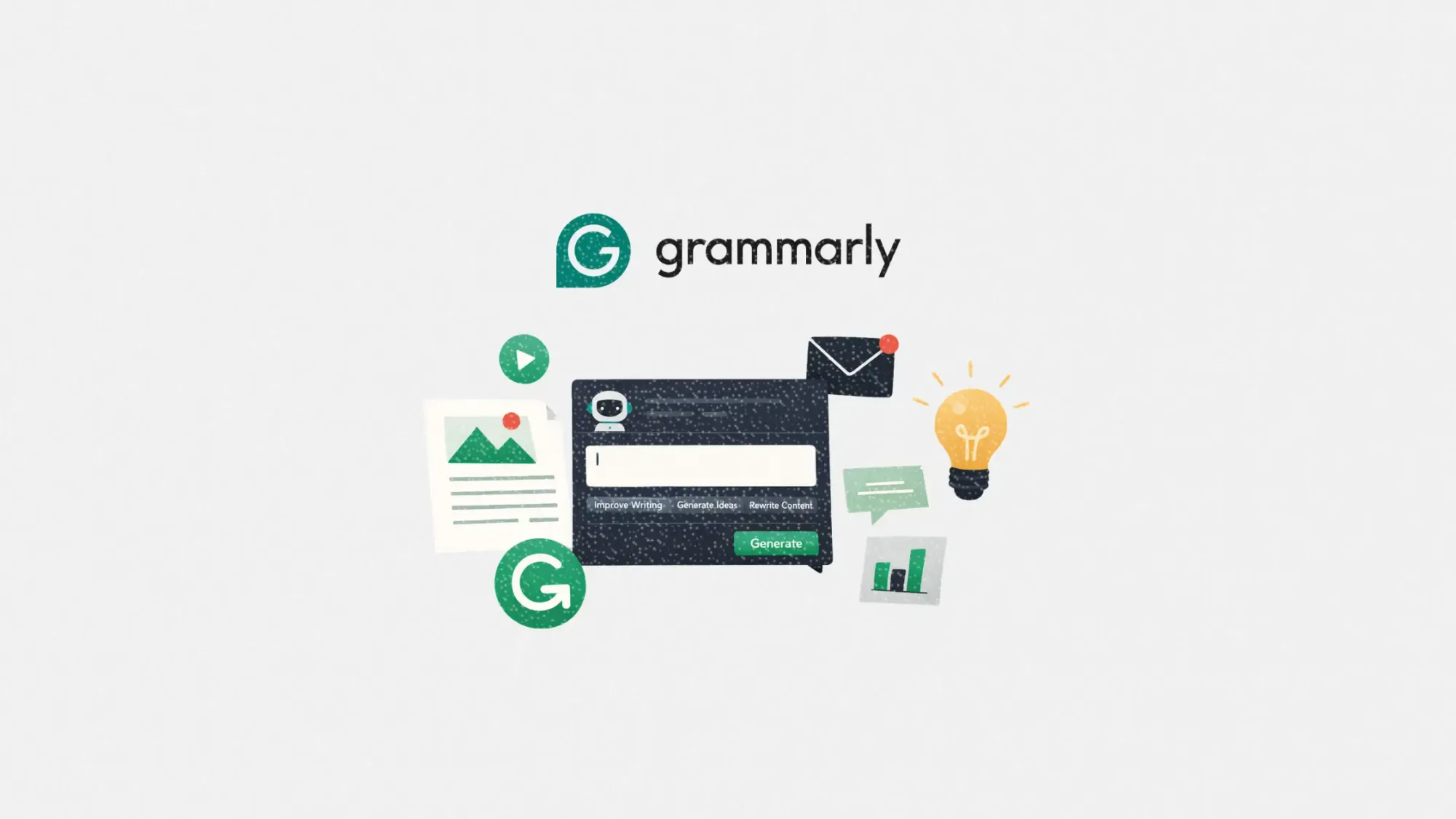
GrammarlyGO is built for that messy middle. It turns prompts into writing help you can use for brainstorming, drafting, rewriting, summarizing, and polishing inside the same places you already write. Grammarly positions GrammarlyGO as generative AI that helps you draft and revise content, not just fix grammar.
The catch is simple: AI output is only as useful as the instruction you give it. The better your prompt, the less time you waste cleaning up generic filler.
Short on time?
Here’s a table of contents for quick access:
- What is GrammarlyGO?
- Why prompts matter when using AI writing tools
- 10 GrammarlyGO prompts that help you write better content
- Tips to get higher-quality results from GrammarlyGO
 Patrecia Meliana
What is GrammarlyGO?
GrammarlyGO is Grammarly’s AI-powered writing assistant that responds to prompts to help you generate and refine text. It is designed to support end-to-end writing tasks, from first draft to final polish, across common work tools (docs, email, and other platforms where Grammarly is available).
What it can do well for marketers:
- Generate outlines and first drafts (blog sections, emails, landing page blocks)
- Rewrite paragraphs for clarity and flow
- Summarize long text into key points
- Adjust tone (more formal, more conversational, more persuasive)
- Turn rough notes into structured content

The simplest way to think about it: GrammarlyGO is an AI co-writer embedded in your workflow, not a separate “go to another tab” writing tool.
Why prompts matter when using AI writing tools
Prompting is just giving the AI clear instructions. The reason it matters is brutal: vague prompts produce vague output.
- Vague prompts lead to generic copy that sounds like every other AI draft.
- Detailed prompts lead to targeted output that actually matches your audience, offer, and brand voice.
Example
Weak prompt: “Write a blog introduction.”
Better prompt: “Write a 120-word blog introduction explaining why AI writing tools are transforming content marketing for B2B SaaS teams. Keep it punchy, use a practical tone, and end with a clear promise of what the article covers.”
This matters even more now because AI writing is mainstream across marketing teams. One 2025 industry report found that 90% of marketers use AI for text-based tasks, with idea generation and drafting among the most common uses.
10 GrammarlyGO prompts that help you write better content
Below are prompt templates you can copy-paste, then tweak with your product, audience, and format.
1. Brainstorm blog topic ideas
Prompt:
Generate 10 blog topic ideas about AI marketing trends for SaaS companies. For each idea, include a one-sentence angle and the target persona (Demand Gen Manager, Marketing Director, Product Marketer).
Use it for:
- Editorial planning
- Filling content calendars without recycling the same themes
2. Create a blog outline
Prompt:
Create a detailed blog outline for an article about email marketing best practices for startups. Include H2s, suggested examples, and a short “what you will learn” note under each section.
Why it works:
- Reduces blank-page friction
- Forces structure before you write fluff
3. Write a compelling introduction
Prompt:
Write a two-paragraph blog introduction explaining why AI writing tools are changing content marketing. Audience: in-house B2B marketers. Tone: practical and slightly edgy. End with a sentence that says this article explores how to use GrammarlyGO prompts to improve content quality.
Tip: Always specify audience + tone + what the intro must accomplish.
4. Rewrite content for clarity
Prompt:
Rewrite this paragraph to be clearer and easier to understand for a non-technical reader. Keep the meaning, remove jargon, and keep it under 70 words: [paste paragraph]
Best for:
- Simplifying product and technical messaging
- Making thought leadership readable
5. Adjust tone for different audiences
Prompt:
Rewrite this paragraph to sound more conversational and friendly while staying professional. Audience: B2B marketing newsletter readers. Avoid hype and keep sentences short: [paste paragraph]
Why marketers use this: One message, multiple channels, different voice requirements
6. Turn long text into summaries
Prompt:
Summarize this article into five bullet points for a weekly newsletter. Each bullet should be one sentence and start with a strong verb: [paste text]
Use cases:
- Newsletters
- Social posts
- Internal briefs for sales or execs
7. Generate social media captions
Prompt:
Create three LinkedIn captions promoting this blog article. Include one hooky opener, one practical takeaway, and one question. Keep each caption under 120 words: [paste blog link or summary]
Pro move: Ask for multiple angles: contrarian, tactical, and data-driven.
8. Improve a weak headline
Prompt:
Suggest five stronger headline variations for this blog post. Prioritize clarity over cleverness. Include at least two versions that use a “how to” framing: [paste draft headline and a one-line summary]
Why it helps: You get options fast, then choose what fits your audience.
9. Expand a short draft
Prompt:
Expand this paragraph with one concrete example and one actionable tip. Keep it skimmable with short sentences: [paste paragraph]
Where it shines: Turning thin drafts into publishable sections without rambling
10. Turn notes into structured content
Prompt:
Turn these bullet points into a short blog section with subheadings. Tone: practical. Format: 2 short subheadings plus bullets under each: [paste notes]
This is the “get me unstuck” prompt when your notes are good but your draft is chaos.
Tips to get higher-quality results from GrammarlyGO
Be specific about:
- Audience (who is reading)
- Format (blog section, email, landing page, LinkedIn post)
- Length (word count or constraints)
- Tone (friendly, formal, persuasive, blunt)
- Goal (educate, convert, reduce confusion, handle objections)
Give context, not just instructions.
Example:
Write a LinkedIn post promoting a B2B SaaS webinar about AI marketing. Audience: Demand Gen Managers. Goal: drive registrations. Include one pain point, one benefit, and a clear CTA.
Use iterative prompting:
Draft, then refine: “Make it tighter,” “Add one example,” “Remove buzzwords,” “Make it sound more like our brand: direct, practical, no hype.”
And remember: Grammarly is already widely used in business settings, so GrammarlyGO can be easier to operationalize than a standalone AI tool. Grammarly has publicly said it is trusted by over 30 million people and 70,000 professional teams
GrammarlyGO can improve writing productivity, but the real value comes from prompting it like a strategist, not a passenger.
Used well, it helps marketers:
- Brainstorm ideas faster
- Draft content more efficiently
- Refine tone and clarity
- Scale output without turning everything into bland, same-sounding copy
The future of writing is not AI replacing writers. It is writers who know how to collaborate with AI and still own the message.


Leave a Reply