
Luxury magazines are not typically associated with comic books. Yet Style by SCMP is testing exactly that idea as part of its 20th anniversary issue, blending editorial storytelling with generative AI.
The South China Morning Post’s flagship luxury publication introduced “The Style Files,” a 16-page AI-augmented comic in its February 2026 issue. The experiment transforms the magazine’s editorial team into characters in a fictional mission to protect Style’s 20-year archive.
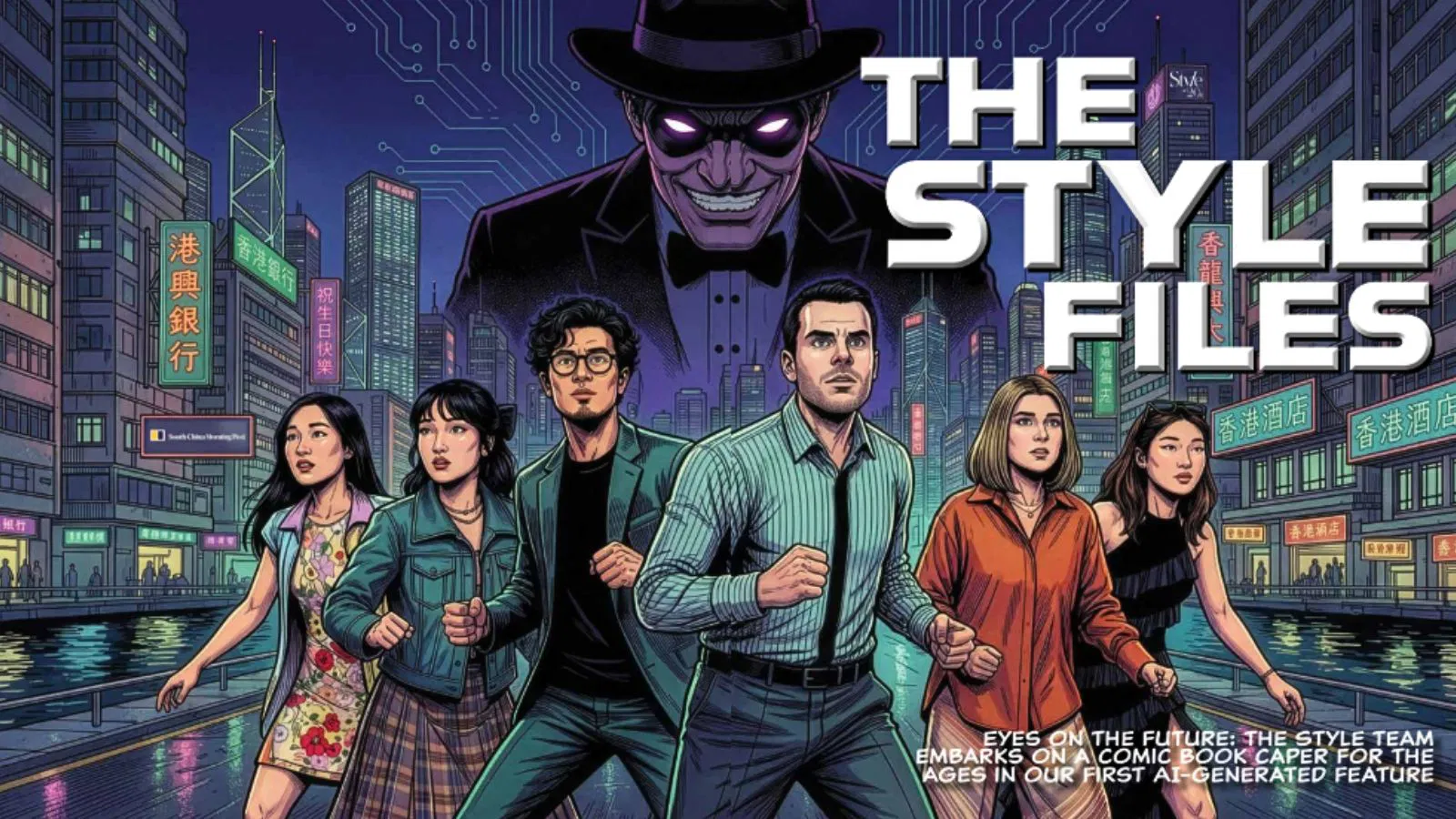
This article explores how the project was produced, why it reflects broader experimentation with AI in publishing, and what marketers can learn from luxury media’s evolving creative playbook.
Short on time?
Here’s a table of contents for quick access:
- How Style by SCMP turned its editorial team into an AI-assisted comic
- Why luxury media is experimenting with AI storytelling
- What marketers should know about AI-assisted creative production
 Patrecia Meliana
How Style by SCMP turned its editorial team into an AI-assisted comic
“The Style Files” is designed as a playful narrative embedded inside Style’s 240-page anniversary issue. The story follows the magazine’s editorial team as they race across Hong Kong to protect the publication’s digital archive from a fictional cyber threat.
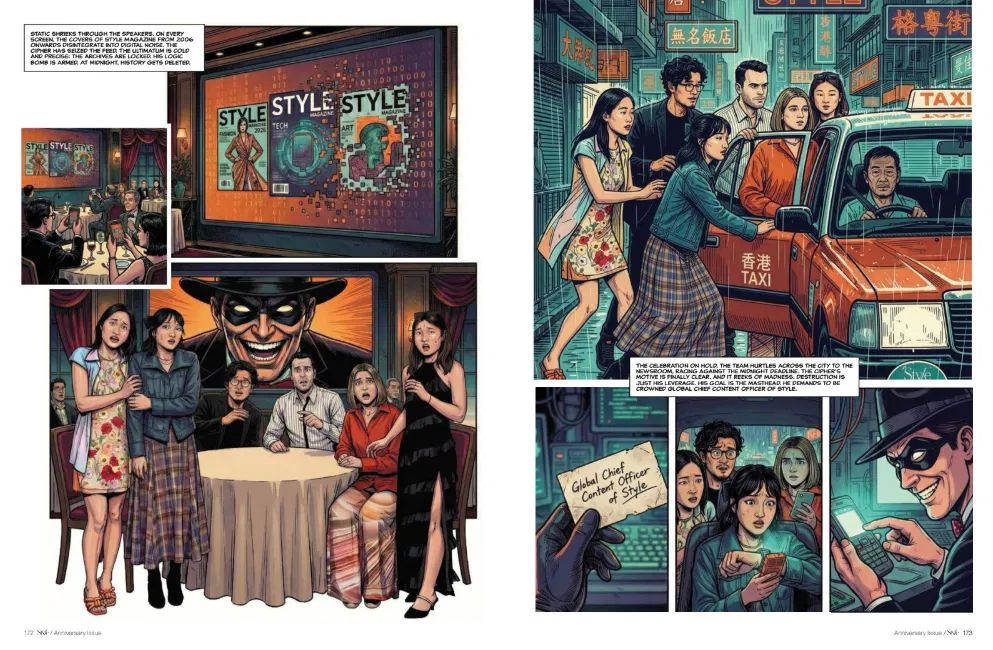
Instead of commissioning a traditional illustrated comic, the team experimented with generative AI tools to accelerate parts of the creative workflow. According to the publication, editors and designers used AI primarily to enhance their storyboards and mood boards, then refined the outputs to match their visual direction.
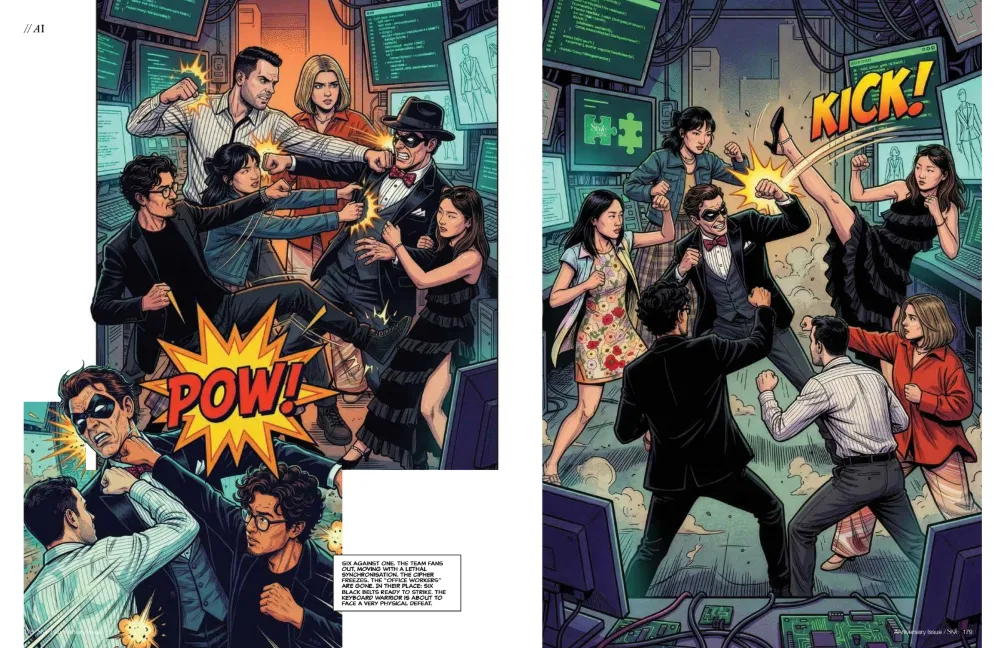
Throughout the process, the team provided reference images and continuously adjusted prompts. This ensured the final visuals aligned with the editorial concept rather than letting the AI dictate the style.
The project also placed real team members into the narrative as characters. The comic was created by the Style editorial team using Google Nano Banana Pro, with Sheena Khemaney as Director, Kevin Peterson as Producer, and Chow Kwok-wang as Art Director.
According to Chief Editor Vincenzo La Torre, the experiment demonstrated both the potential and limits of AI in creative production. While generative tools can speed up ideation and visual exploration, achieving specific artistic results still requires careful human direction.
Why luxury media is experimenting with AI storytelling
Luxury publishing has traditionally emphasized craftsmanship, curation, and visual artistry. On the surface, generative AI might seem like an odd fit.
But the “Style Files” comic signals a broader shift: editorial teams are beginning to use AI as a creative sandbox rather than a replacement for traditional editorial work.
For Style by SCMP, the project served several purposes:
- Creative experimentation: The comic format introduced an unexpected storytelling style within a luxury magazine.
- Technology exploration: AI tools were used to accelerate ideation while keeping human editors in control of narrative and aesthetics.
- Brand storytelling: Turning the editorial team into characters reinforces the publication’s identity and history.
The project also aligns with Style’s broader editorial evolution. In 2023, the magazine underwent a redesign that expanded its focus beyond fashion and jewelry to include entrepreneurship, innovation, wellness, philanthropy, and women’s leadership.
That shift reflects a more modern concept of luxury built around knowledge, access, and cultural relevance, not just material wealth.
In that context, experimenting with AI-generated comics fits neatly into Style’s attempt to present luxury media as both curated and culturally curious.
What marketers should know about AI-assisted creative production
The Style Files project highlights a few practical lessons for marketing and creative teams exploring generative tools.
1. AI works best as a creative accelerator, not a replacement
The Style team used AI to enhance mood boards and storyboards rather than letting the tool generate the entire project. This hybrid workflow mirrors how many marketing teams are now using generative AI.
2. Prompting and references matter more than the tool itself
The editorial team repeatedly refined prompts and supplied visual references to guide the AI output. Without that guidance, results would not match the intended aesthetic.
3. AI can unlock unexpected formats
A comic book inside a luxury magazine is not a typical editorial choice. AI lowered the production barrier enough to test a new storytelling format without committing to a fully illustrated production pipeline.
4. Brand personality still comes from humans
The story works largely because it features real editors as characters and celebrates the magazine’s own history. AI helped visualize the concept, but the narrative and tone remain human-driven.
For marketers experimenting with AI-assisted design or content production, the takeaway is clear: the technology works best when creative teams stay firmly in the driver’s seat.
Style by SCMP’s anniversary comic is less about technology and more about creative experimentation. By using generative AI to prototype and refine visuals, the editorial team explored a new storytelling format without abandoning the curated, human-led approach that defines luxury publishing.
For marketers, the lesson is straightforward. AI can speed up ideation and production, but the concepts that resonate still come from human perspective, cultural understanding, and editorial judgment.
As more brands experiment with generative tools, the winning formula will likely resemble Style’s approach: AI as a creative collaborator, not the creative director.


Leave a Reply