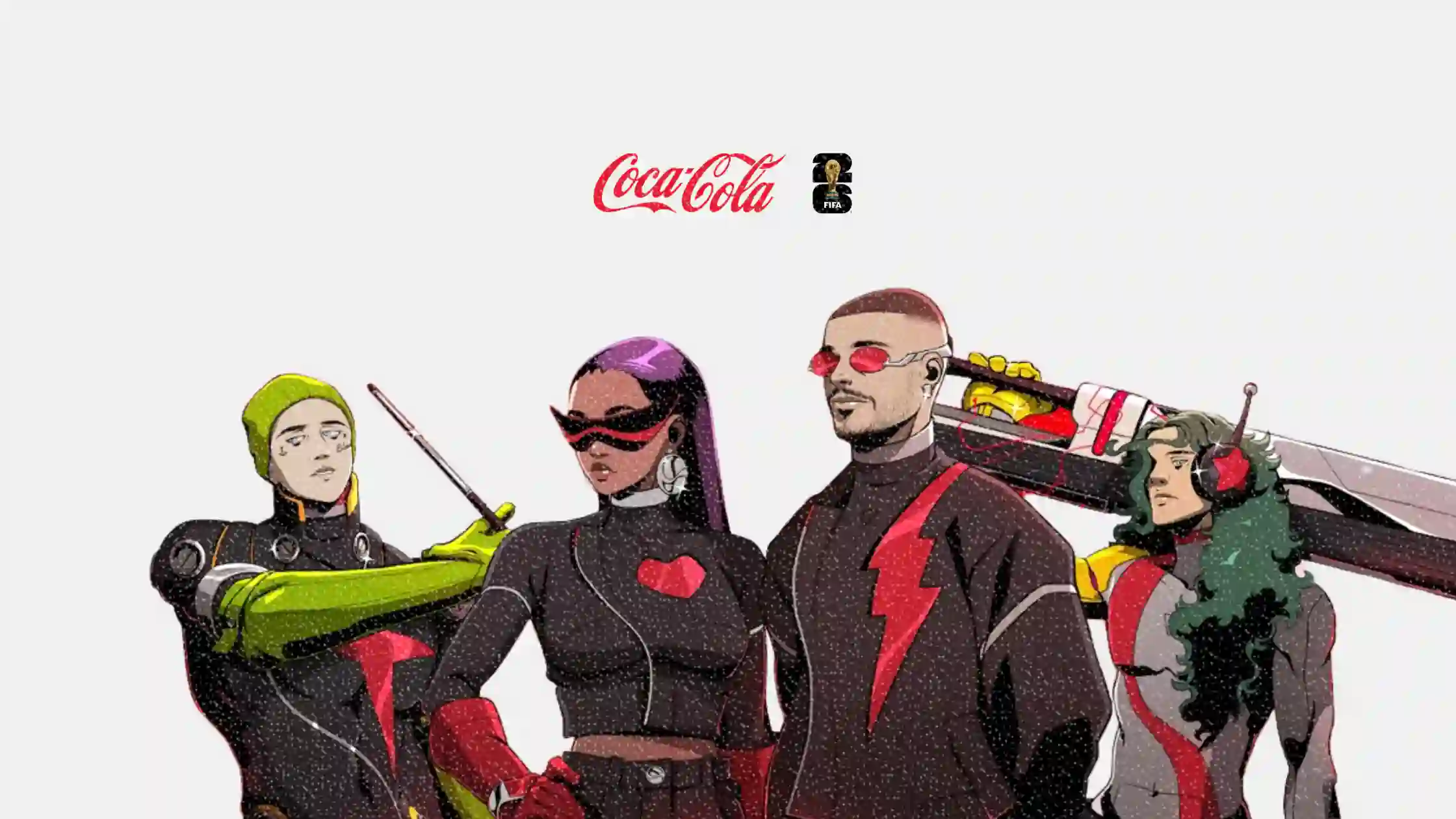
Coca-Cola is once again turning up the volume on its FIFA World Cup sponsorship, blending music, culture, and fandom into a global moment. Through its new anthem for FIFA World Cup 2026, the brand takes a bold leap into sonic nostalgia and modern production—reworking Van Halen’s iconic 1980s track “Jump” with a superstar cast led by J Balvin, Amber Mark, Steve Vai, and Travis Barker.
This article explores Coca-Cola’s latest campaign push through its Real Thing Records label, the strategic intent behind its anthem revival, and how it positions the brand as more than just a beverage—but a cultural connector during one of the world’s biggest sporting events.
Short on time?
Here’s a table of contents for quick access:
- Inside Coca-Cola’s reimagined anthem for FIFA World Cup 2026
- Why Coca-Cola is betting big on Real Thing Records
- What marketers should know
 Patrecia Meliana
Inside Coca-Cola’s reimagined anthem for FIFA World Cup 2026
Timed with the ramp-up to FIFA World Cup 2026, Coca-Cola’s newly released track “Jump” isn’t just a nostalgic nod—it’s an audacious remix of a rock classic aimed at today’s global audience. Originally teased in Coca-Cola’s “Bubbling Up” campaign in January, the track reworks Van Halen’s power anthem with high-impact production and a globally diverse cast of musicians.
J Balvin, known for fusing reggaeton with global pop, leads the anthem with Amber Mark bringing soulful vocals, supported by Steve Vai’s guitar flair and Travis Barker’s drumming. Released under Real Thing Records (RTR) in collaboration with Capitol Records, the song captures the emotional highs and lows of football fandom—a theme Coca-Cola has long celebrated through past anthems like “Wavin’ Flag” (2010) and “Colors” (2018).
The track launched alongside a vibrant animated music video designed by McFlyy, featuring the artists and a cameo from 16-year-old football prodigy Lamine Yamal. It premiered on MTV Live, MTVU, and beamed from Paramount’s Times Square billboards—a digital-age spectacle tailored for global audiences and Gen Z fans.
Why Coca-Cola is betting big on Real Thing Records
RTR, Coca-Cola’s music label launched in July 2025, reflects a deeper strategic shift. Instead of merely licensing tracks or sponsoring concerts, the brand is now creating original music content as a core marketing asset. The goal? Move beyond traditional sponsorship and embed Coca-Cola in the cultural moments that matter.
The company’s Head of Global Music & Culture Marketing, Joshua Burke, framed “Jump” as a unifying track that encapsulates football’s emotional spectrum. “We wanted this track to feel like that moment when millions of fans are singing the same feeling at once,” Burke said.
RTR already hosts a roster of emerging global talent, including Max Allais and Aksomaniac, indicating a genre-fluid, globally-minded vision for the label. For Coca-Cola, this approach helps maintain cultural relevance at scale—particularly as it faces stiff competition from brands trying to occupy the same space during tentpole events like the World Cup.
What marketers should know
Coca-Cola’s music-led playbook offers useful takeaways for marketers looking to connect with emotionally charged audiences:
- Don’t just sponsor—create culture
By launching RTR and developing original content, Coca-Cola is turning from sponsor to publisher. It owns the narrative, the music, and the distribution.
- Use nostalgia wisely
Reimagining Van Halen’s “Jump” taps into multi-generational sentiment. Pairing it with modern artists ensures it resonates across age groups without feeling retro for retro’s sake.
- Lean into emotion, not just entertainment
The campaign’s three-part film series—starting with “Bubbling Up” and leading to “Uncanned Emotions” and “No Better Feeling”—focuses on shared fan emotions, not just flashy moments. Emotional storytelling drives stickiness.
- Bridge digital and physical fan experiences
From the Times Square launch to the FIFA Trophy Tour and Panini sticker partnership, Coca-Cola is creating omnichannel experiences that fans can engage with globally—online and offline.
- Invest in long-tail content
Music tracks and videos have long lifespans, unlike traditional ad spots. With the World Cup months away, “Jump” can continue to build momentum as playlists, remixes, and UGC content spread.
 Atikah Amalia
Coca-Cola’s anthem strategy for FIFA World Cup 2026 isn’t just another feel-good sports campaign—it’s a calculated cultural investment. By creating its own music label and leveraging global talent, the brand is rewriting the rules for World Cup marketing. For marketers, it’s a masterclass in long-term emotional storytelling, platform agility, and staying fan-first.
Expect more immersive experiences from Coca-Cola as the tournament nears—but “Jump” has already set the tone: this World Cup, it’s all about feeling it all.


Leave a Reply