Optimove has signed an agreement to acquire Smartico, a gamification-led CRM marketing platform for iGaming operators, with the transaction expected to close in the coming weeks.
Notably, both companies say they will continue operating as fully independent businesses, each keeping its own brand, team, product strategy, roadmap, and go-to-market approach, with Smartico’s founders retaining decision-making authority.
Short on time?
Here’s a quick look at what’s inside:
- What Optimove is buying, and what “independent operation” likely means
- Why gamification and CRM are getting pulled into the same retention stack
- How the deal fits a crowded iGaming engagement category
- What iGaming marketers should look for in platform selection after the deal
What Optimove is buying, and what “independent operation” likely means
Smartico built its position by embedding gamification mechanics into CRM marketing for iGaming, aiming to lift retention and player value through loyalty-like experiences, missions, and engagement loops that connect to lifecycle messaging.
The unusual part of this acquisition is the explicit operating model: Optimove and Smartico say they will remain independent businesses, with no change in Smartico’s client-facing pricing, service model, or product roadmap, and with Smartico’s founders continuing to lead day-to-day operations.
For customers, “independent” can still come with second-order changes, such as shared back-office capabilities, cross-selling incentives, or shifts in product investment horizons. But it also signals Optimove is not positioning this as a rapid platform consolidation. Instead, it looks more like a capital and strategic umbrella that lets two products compete in the same category while expanding resources.
Deal terms were not disclosed. Both companies characterize Smartico as bootstrapped.
 ContentGrip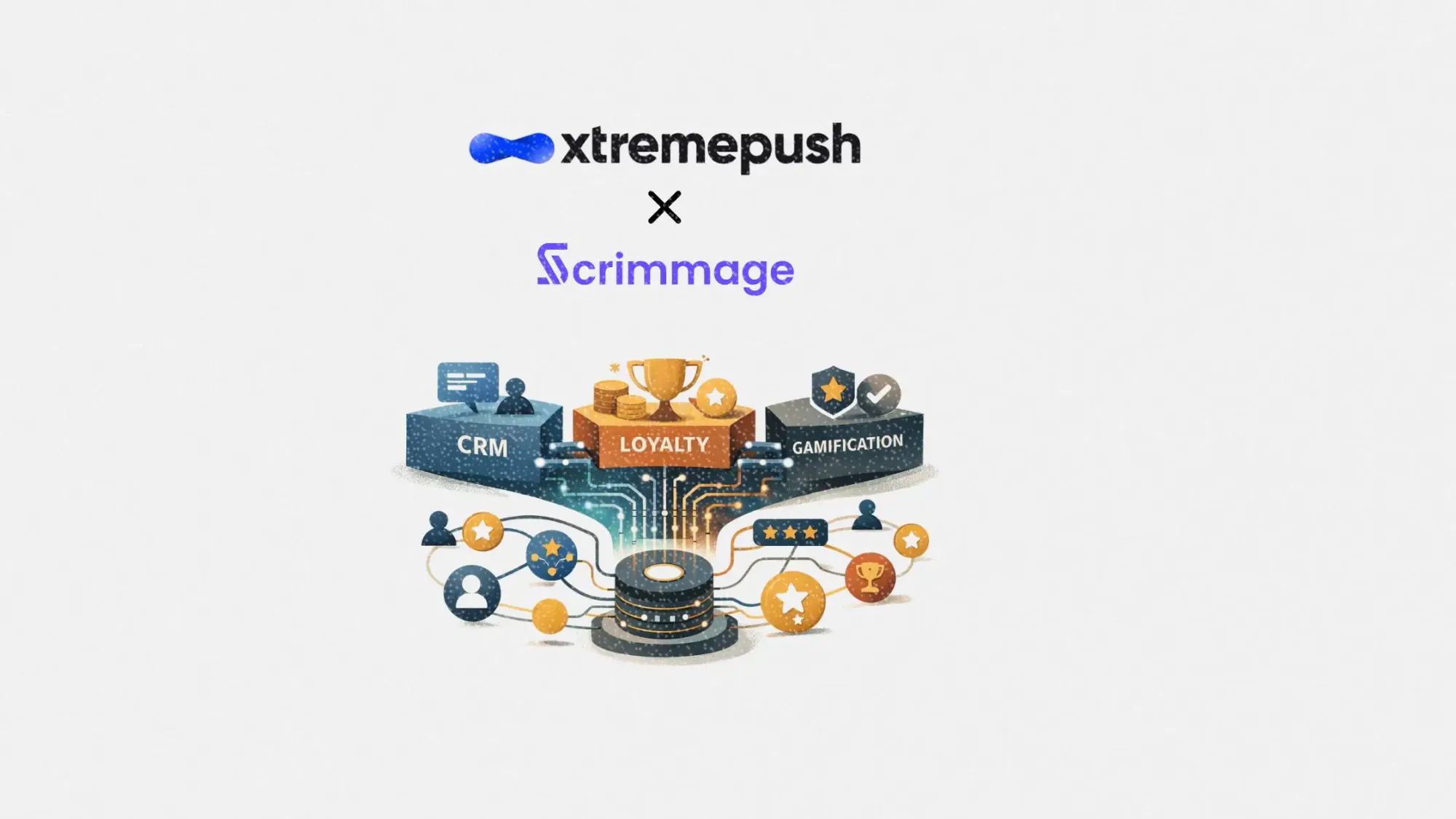
Why gamification and CRM are getting pulled into the same retention stack
In iGaming, retention marketing is tightly coupled to product experience. Gamification features are not just “campaign tactics”; they can change session behavior, deposit frequency, and progression loops that influence lifetime value.
Smartico cites customer A/B tests showing test groups using gamification delivered 18% to 23% higher deposit amount and 25% to 30% longer session duration. Marketers should treat those as context-specific, but the direction is consistent with why operators invest in gamified journeys: they turn CRM from messaging into ongoing behavioral design.
On Optimove’s side, the company frames its value around data analytics and AI-driven decisioning. It says its platform processes over 7 billion data rows daily, over 1 billion real-time events daily, and targets over 205 billion customer interactions per year. Optimove also claims “Positionless Marketing” improves campaign efficiency by 88%, positioning AI agents as the interface for orchestrating personalized engagement at scale.
Put together, the strategic bet is clear: retention stacks are moving toward continuous optimization where segmentation, orchestration, and in-product mechanics are connected. Even if the products remain separate, the market expectation is drifting toward more integrated engagement capabilities.
How the deal fits a crowded iGaming engagement category
The iGaming CRM and player engagement market is competitive, with vendors differentiating on regulated-market expertise, real-time decisioning, personalization depth, and loyalty or gamification tooling. Research context places the category alongside platforms such as Xtremepush and Fast Track, among others focused on gaming and betting operators rather than general-purpose marketing clouds.
Optimove’s stated intent to keep investing in its own loyalty and gamification product (Optimove Gamify) while backing Smartico suggests the category is mature enough to support multiple “leading” products under one owner. It also hints at two distinct buyer preferences:
- teams that want gamification as a first-class, productized system (Smartico’s core)
- teams that want gamification as a module inside a broader AI-driven CRM and orchestration platform (Optimove’s framing)
For operators, that means vendor selection may increasingly come down to operating model fit: speed of experimentation, service intensity, and how deeply marketing needs to coordinate with product and data teams.
What iGaming marketers should look for in platform selection after the deal
If you are evaluating CRM and engagement platforms in iGaming, the acquisition changes less about immediate functionality and more about vendor risk and roadmap confidence.
Selection criteria to revisit:
- Decisioning and real-time capabilities: confirm latency, event handling, and how offers are personalized under regulatory constraints.
- Gamification depth vs. flexibility: determine whether you need a full gamification suite or lighter mechanics tied to lifecycle messaging.
- Data governance and auditability: ensure player segmentation logic and incentive delivery can be explained, tested, and audited.
- Operational independence in practice: if you are a Smartico customer, ask what “independent” means for support escalation, SLAs, and product resourcing over 12 to 24 months.
- Benchmarks you can validate: demand proof through your own holdouts and tests rather than relying on generic uplift claims.
Given continued global growth in online gaming and increasing regulatory complexity across regions, platforms that help teams run controlled experimentation and compliant personalization are likely to win budget, regardless of whether the underlying tech is branded as “AI” or “gamification.”


Leave a Reply