Most campaigns start with a brief but trendjacking starts with a moment.
A clip goes viral. A controversy sparks debate. A trend takes over feeds. And suddenly, brands are no longer competing on planning or production. They are competing on how fast and how well they can join the conversation.
But not every reaction counts as trendjacking.
The best examples do one thing differently. They turn a moment into something others can participate in. Not just a post, but a format. Not just engagement, but a wave.
Here are 12 trendjacking campaigns that show how it is done.
Table of contents
Jump to each section:
- 12 trendjacking campaigns
- KitKat turns cargo theft into a multi-brand chase
- Astronomer’s kiss cam becomes a remixable format
- IKEA taps into a viral macaque story
- Brands ride Taylor Swift’s “Life of a Showgirl” wave
- McDonald’s Big Arch moment sparks brand reactions
- KitKat jumps on Apple’s bendgate
- Target turns Pokémon into a creator-led trend
- Gap joins the denim conversation wave
- “Girl math” becomes a brand participation format
- Wicked trendjacks take over with pink and green
- Popeyes sparks the chicken sandwich wars
- Barbenheimer becomes a cultural remix trend
- Why trendjacking works today
- What marketers can do
 Patrecia Meliana
1. KitKat turns cargo theft into a global marketing moment
Patrecia Meliana
The moment: A real cargo theft incident involving KitKat products.
What they did: Instead of treating it as a crisis, KitKat turned the stolen cargo into a live “chase” narrative, using trackers, real-time updates, and meme-style content. The brand even opened it up for other brands to join in, turning it into a shared social moment.
Why it worked: It transformed a negative situation into participatory content. By inviting others in, it scaled beyond a single-brand story.
What to take away: Trendjacking gets stronger when it becomes collaborative. The more brands and audiences can participate, the bigger it gets.
2. Astronomer’s kiss cam goes viral and brands pile in
Patrecia Meliana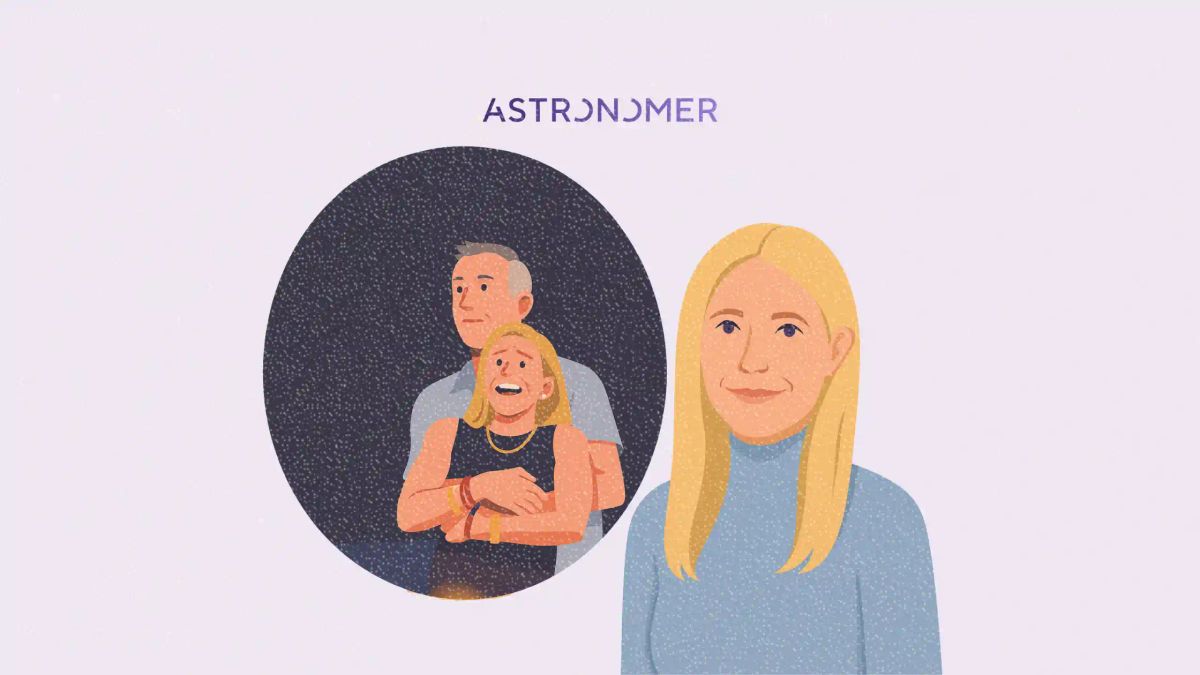
The moment: A viral “kiss cam” incident tied to a Coldplay concert sparked widespread attention online.
What they did: As the clip spread, brands like Duolingo, IKEA, and Pizza Hut quickly recreated their own versions of the moment, riding the wave of attention. Astronomer then joined back in with a polished 60-second response video featuring Gwyneth Paltrow, extending the lifecycle of the trend.
Why it worked: It evolved from a single viral clip into a multi-brand cultural moment. Each new version kept the conversation going.
What to take away: The best trendjacking moments are not owned by one brand. They become formats that others can remix and amplify.
3. IKEA’s Punch the macaque becomes a viral marketing lesson
Patrecia Meliana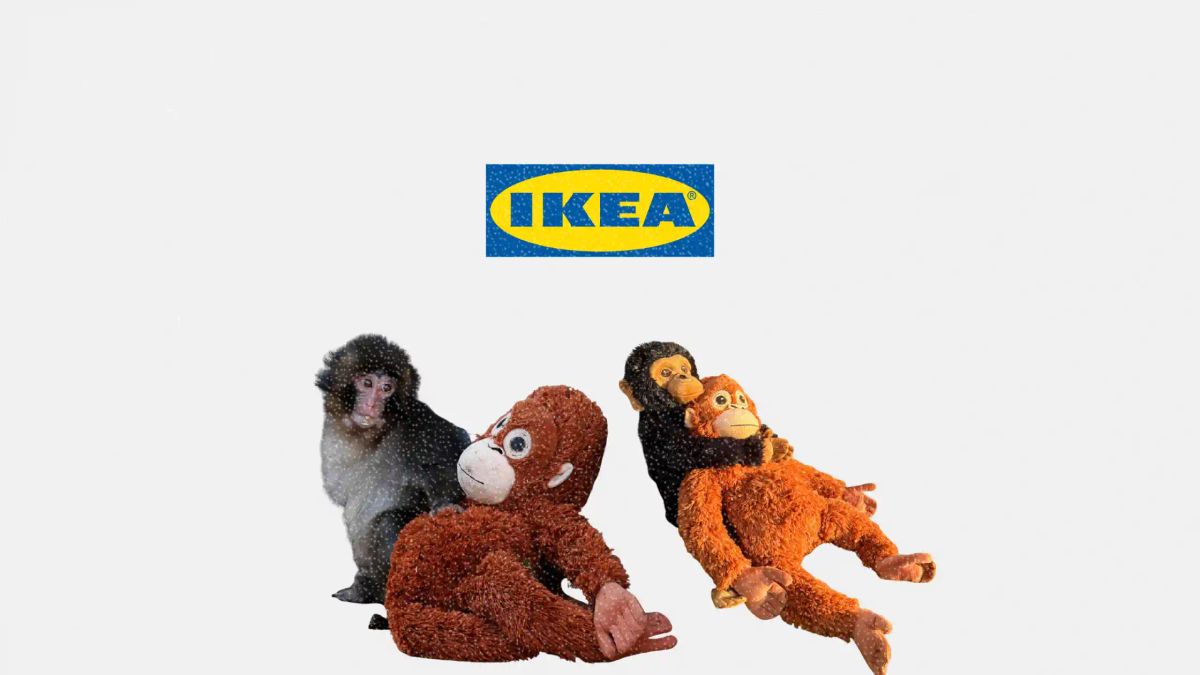
The moment: A bizarre viral story involving a macaque wearing an IKEA coat.
What they did: As the internet obsessed over the story, IKEA leaned into the moment by connecting the coat back to its product, turning it into a brand narrative that others referenced and shared.
Why it worked: The story already had attention. IKEA simply anchored itself to it in a way that made the brand part of the conversation.
What to take away: Trendjacking does not require creating content from scratch. It is about inserting your brand into a moment people already care about.
4. Brands ride Taylor Swift’s “Life of a Showgirl” wave
Patrecia Meliana
The moment: Taylor Swift’s “Life of a Showgirl” era sparked a global wave of glitter-heavy visuals and fan-driven content.
What brands did: From burger buns to boarding passes, brands across sectors jumped in with their own takes. Some leaned into bold, highly visible executions, while others kept it subtle, using design cues and cultural references tied to the era.
Why it worked: It was a highly recognizable cultural moment with a clear aesthetic that brands could easily adapt in different ways.
What to take away: Trendjacking works best when the cultural signal is strong enough to flex across formats, industries, and levels of execution.
5. McDonald’s “Big Arch bite” speculation fuels social momentum
Patrecia Meliana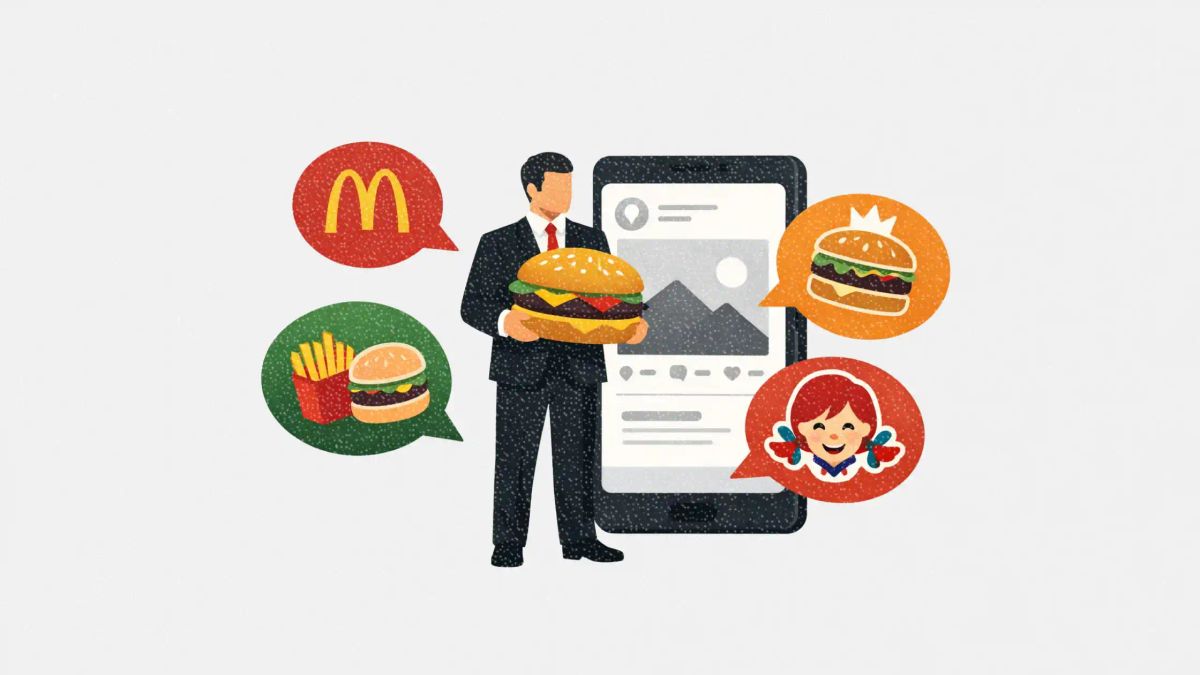
The moment: A viral clip of McDonald’s CEO taking a bite of the “Big Arch” burger sparked debate online.
What they did: As speculation grew, other brands like Wendy’s, Burger King and A&W joined in with their own takes, memes, and reactions, turning the moment into a wider social conversation rather than a single clip.
Why it worked: It became participatory. The ambiguity invited multiple interpretations and responses.
What to take away: The strongest trendjacking moments invite others to respond, not just watch.
6. KitKat jumps on Apple’s “bendgate” moment
We don’t bend, we #break.
#bendgate #iPhone6plus pic.twitter.com/uippCg4kCi— KITKAT (@KITKAT) September 24, 2014
The moment: Apple’s iPhone 6 “bendgate” controversy went viral, with users sharing jokes about phones bending.
What they did: KitKat joined the conversation with a simple visual pun around its chocolate bar breaking, turning the tech controversy into a brand-relevant joke.
Why it worked: The connection was instant. People already understood the meme, and KitKat made it fit its product naturally.
What to take away: A trendjack works best when the brand connection does not need explaining.
7. Target turns Pokémon’s 30th anniversary into a creator-led trend
Patrecia Meliana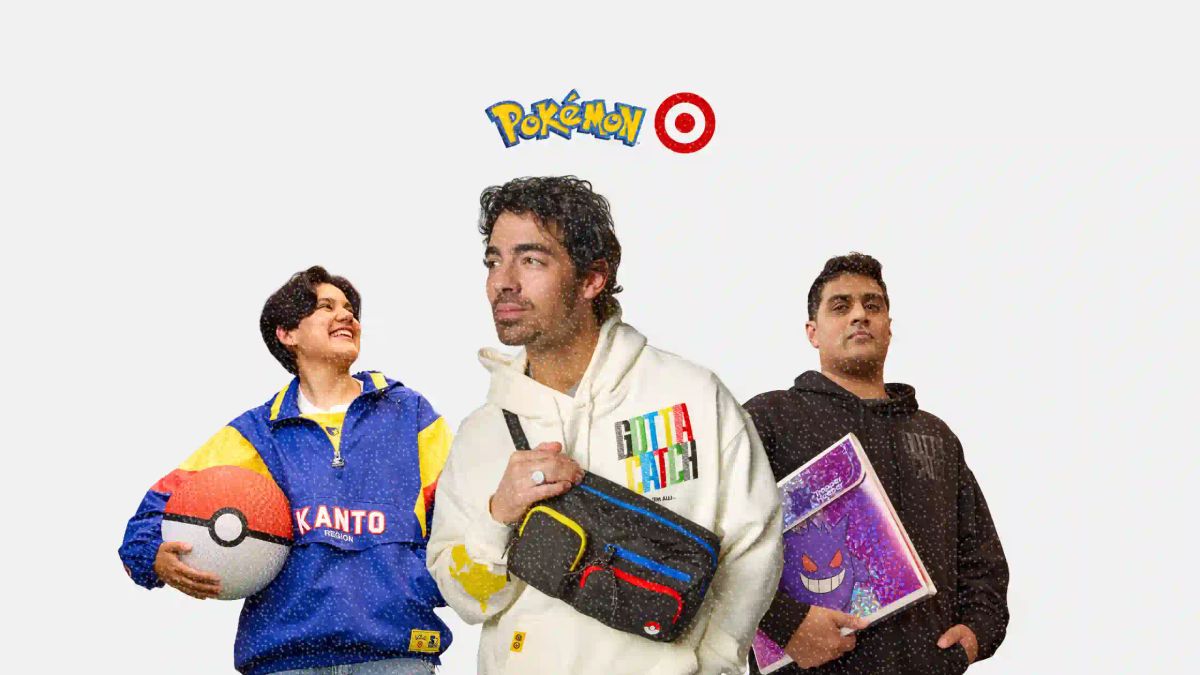
The moment: Pokémon’s 30th anniversary created a natural spike in nostalgia and fandom.
What they did: Target activated creators to turn the moment into retail-driven content, blending collectibles, storytelling, and social media.
Why it worked: It did not just react. It extended the trend into commerce.
What to take away: Trendjacking can bridge culture and conversion when creators are involved.
8. Gap joins the “jeans war” after American Eagle’s Sydney Sweeney ad
Patrecia Meliana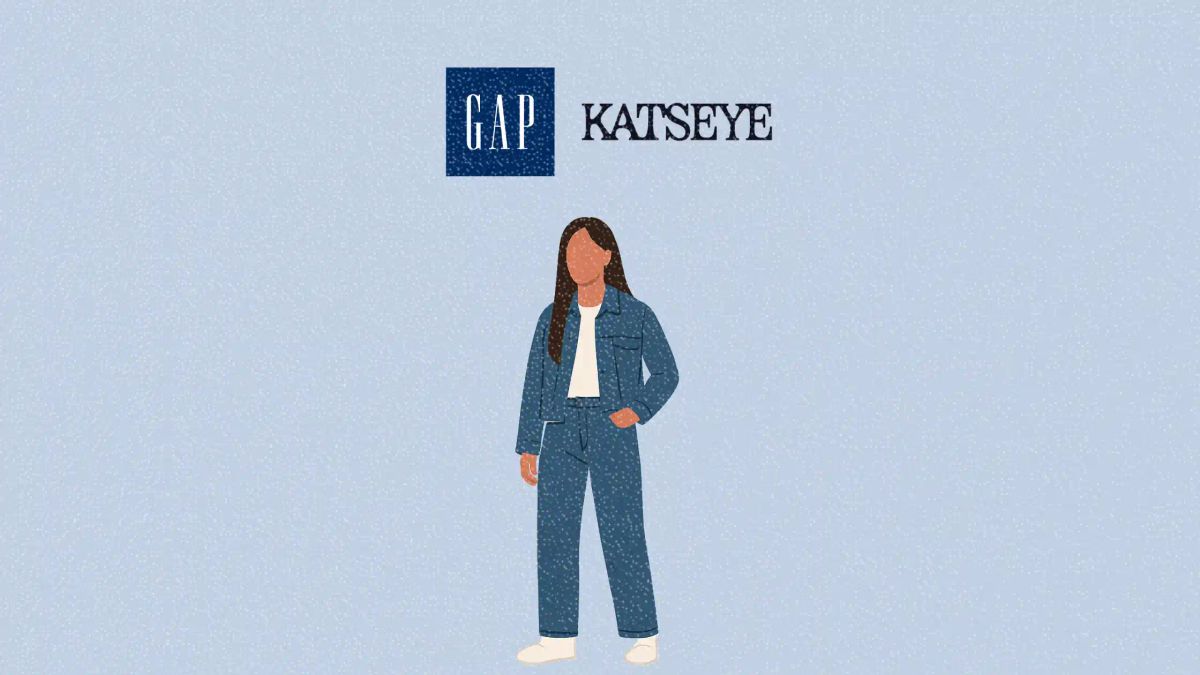
The moment: American Eagle’s Sydney Sweeney “great jeans” campaign sparked a wider denim conversation online.
What brands did: Gap jumped in with its KATSEYE “Better in Denim” campaign, while Lucky Brand and other denim players also entered the conversation with their own celebrity and nostalgia-led takes.
Why it worked: It turned one controversial ad into a wider category moment, where brands competed for cultural relevance through denim, celebrities, and social-first content.
What to take away: Trendjacking can work at category level. When one brand creates the spark, competitors can still ride the conversation with a sharper angle.
9. “Girl math” trend becomes a brand participation wave
The moment: The “girl math” TikTok trend went viral, reframing spending logic in humorous ways.
What brands did: Retail, fintech, and lifestyle brands adapted the format to justify purchases using their own products, joining the conversation with their own spins.
Why it worked: It was highly relatable and structured in a way that made participation effortless.
What to take away: Trends that mirror real behavior are easier for both audiences and brands to adopt.
10. Brands hijack Wicked’s spotlight with pink and green perfection
Patrecia Meliana
The moment: The release of Wicked content triggered a surge in pink and green visuals across social media.
What brands did: Multiple brands quickly adopted the color pairing and aesthetic, creating their own versions and extending the trend across platforms.
Why it worked: It became a shared visual language that anyone could replicate.
What to take away: The easier a trend is to remix, the faster it spreads.
11. Popeyes sparks the chicken sandwich wars
… y’all good? https://t.co/lPaTFXfnyP
— Popeyes (@Popeyes) August 19, 2019
The moment: A viral Twitter debate comparing Popeyes and Chick-fil-A chicken sandwiches.
What they did: Popeyes jumped into the conversation with a single tweet that escalated the debate. Other brands and users piled in, turning it into a full-blown social media war.
Why it worked: It transformed a simple comparison into a participatory internet moment.
What to take away: A well-timed response can turn an existing conversation into a trend everyone joins.
12. Barbenheimer becomes a dual-brand cultural takeover
The moment: The simultaneous release of Barbie and Oppenheimer sparked a viral internet trend combining both films and calling it Barbenheimer.
What brands did: Brands across industries created mashups, visuals, and content playing on the contrast between the two, turning it into a widespread creative format.
Why it worked: It had a clear dual identity that made it easy to remix across contexts.
What to take away: Contrasting ideas often create the most shareable and remixable trends.
Why trendjacking works today
Trends are not just faster now, they are shorter-lived and more competitive. What used to last days can disappear in hours, and brands are no longer competing on budget or production, but on timing and relevance.
At the same time, audiences have changed how they engage with content. Highly polished campaigns are no longer the default expectation. What feels timely, relatable, and “in the moment” often performs better than something overly planned.
On top of that, platforms themselves reward speed. Content that picks up early engagement is pushed further, creating a compounding effect where the first few hours can determine overall reach.
That is why trendjacking works. It sits right where these shifts overlap:
- Attention cycles are shorter, so timing matters more than ever
- Audiences reward relevance over polish, making reactive content feel natural
- Platforms amplify early engagement, giving fast-moving content disproportionate reach
What marketers can do
If trendjacking is about speed and relevance, then the way teams operate needs to reflect that. Most brands do not struggle with ideas. They struggle with reacting fast enough to act on them.
To make it work in practice:
- Build a fast approval workflow so reactive content does not get stuck internally
- Monitor trends across TikTok, X, Reddit, and news cycles to spot moments early
- Align trends with your brand voice before jumping in, not every trend is worth it
- Focus on speed over perfection, because timing often matters more than execution
Trendjacking is not about chasing every trend.
It is about recognizing the right moment where your brand naturally fits and showing up before the moment passes.
When done right, it does not feel like marketing. It feels like participation.