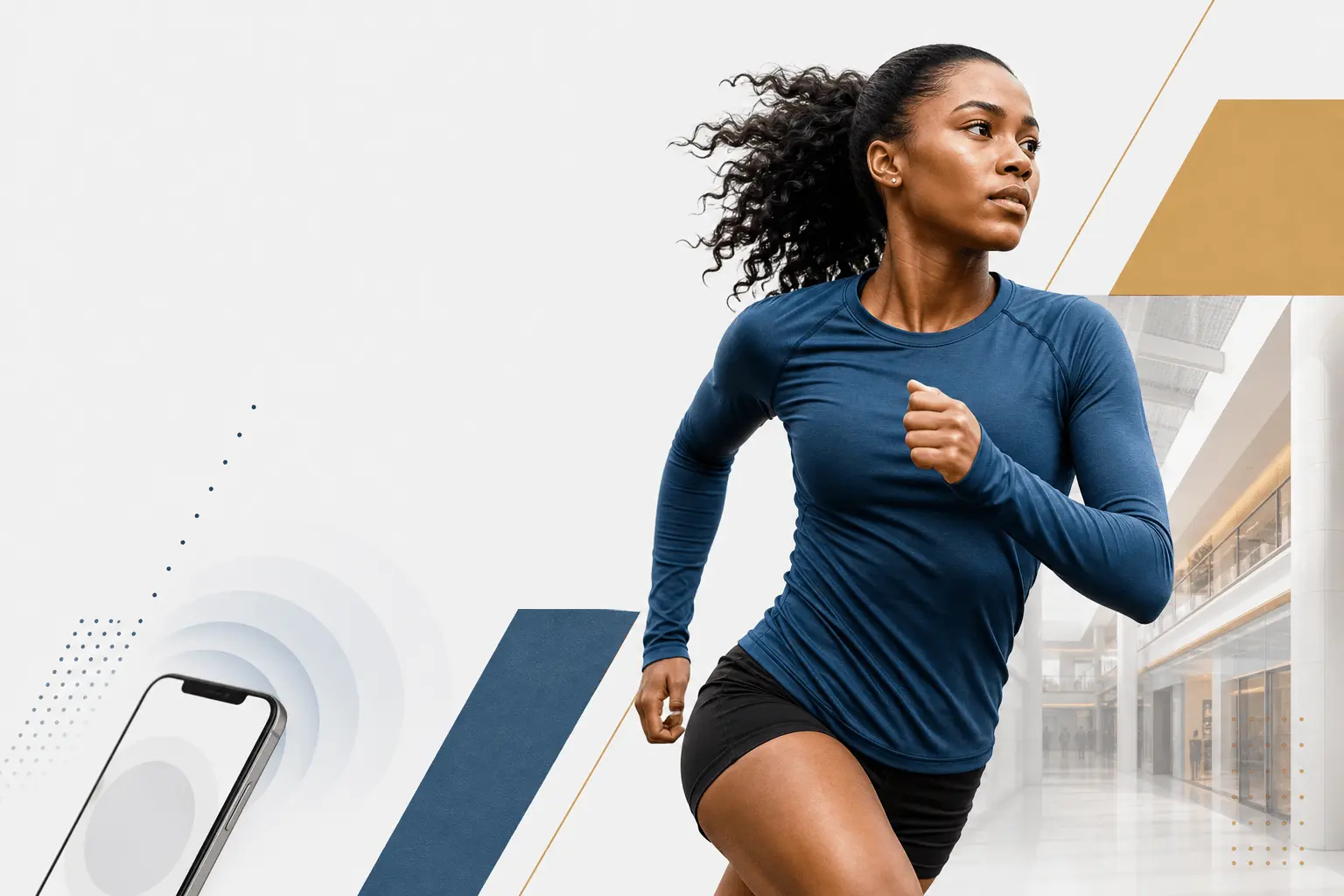
Teen culture has been drifting back toward “in real life” rituals again: mall hangouts, spontaneous fit checks, and that late-summer reset energy that turns shopping into a group activity. Back-to-school is still a retail moment, but for Gen Z it is also a social storyline that plays out across group chats, campus life, and creator feeds.
In that context, American Eagle is leaning into the mall, campus, and sports culture all at once, building a back-to-school push that mixes social programming, in-person experiences, and paid media. The company also outlined parts of the approach in an official announcement.
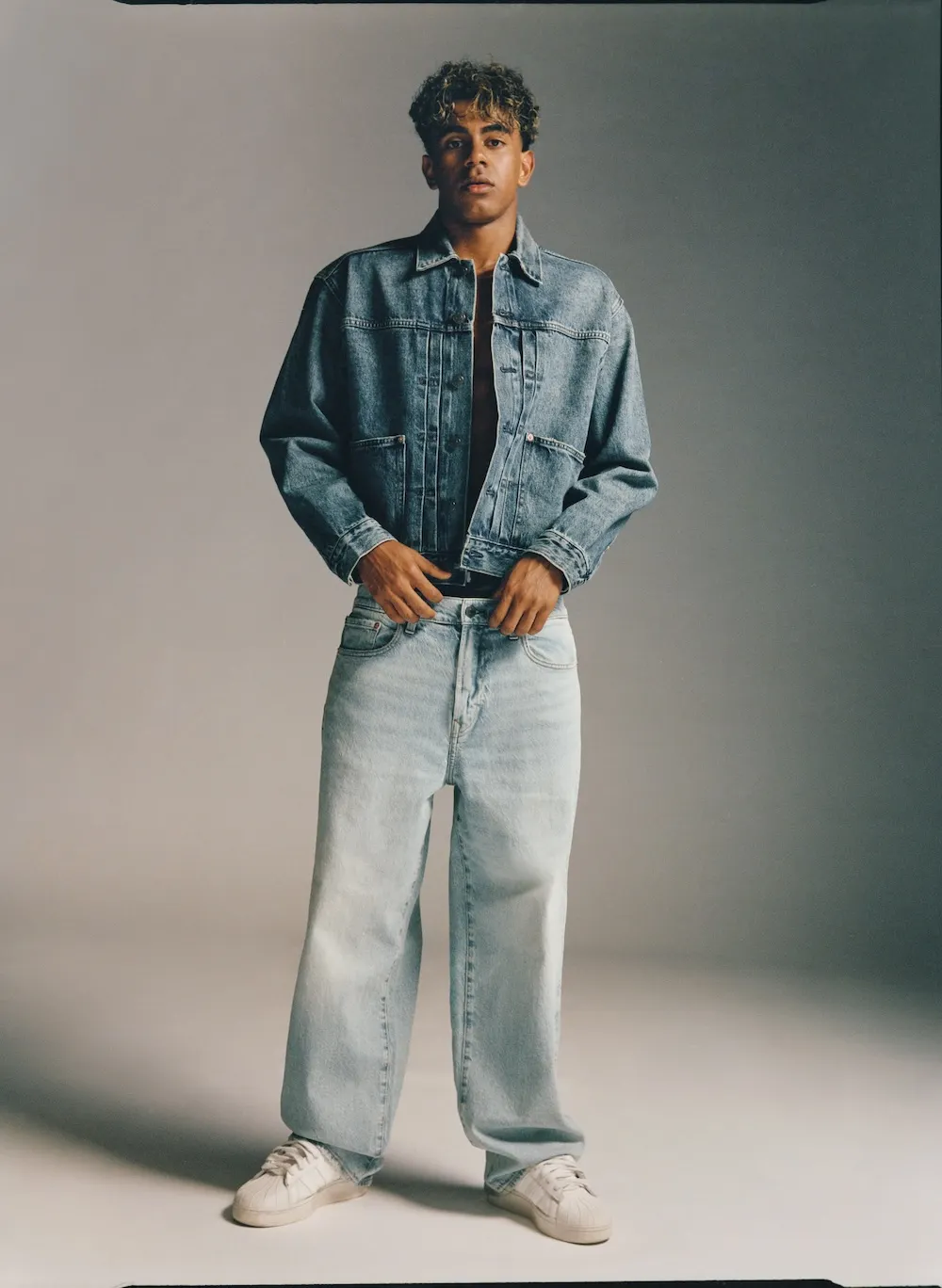
Table of contents
Jump to each section:
- Why American Eagle is tying back-to-school to sports, malls, and campus life
- How Lamine Yamal shifts the campaign from “talent” to real-time fandom
- The mall as content studio: in-store events, QR scans, and creator prompts
- Why #RushTok is a distribution channel, not just a trend
- What this means for marketers watching Gen Z retail behavior
Why American Eagle is tying back-to-school to sports, malls, and campus life
American Eagle is rolling out a back-to-school campaign across social programming, experiential activations, and brand advertising, including a 30-second ad planned for YouTube and paid social. The throughline is cultural, not just seasonal: malls, campus life, and sports.
That mix matters because back-to-school timing is getting more stretched out. The brand described it as a “10-week sprint,” and cited Deloitte’s Back-to-School Survey expectation that spending remains flat, with planned spending peaking in late July and early August. When demand is not rising, share of attention becomes the fight, and attention is increasingly earned by showing up inside existing routines (hanging out at the mall, watching sports, following campus creators) rather than asking people to adopt new ones.
How Lamine Yamal shifts the campaign from “talent” to real-time fandom
The sports angle is anchored by Lamine Yamal, the Spanish soccer star who signed a five-year global ambassador deal with American Eagle in January and recently helped his national team win World Cup gold. Instead of treating that as a static endorsement, the brand moved quickly in response to the moment, including temporarily changing its name to “Lamine’s Eagles” and turning its Instagram page into what it called “a Lamine Yamal fan account.”
That kind of move works because fandom does not wait for a media plan. Fans follow the highs in real time, and brands that try to “slot in” a week later often feel late. By reacting immediately and letting the brand voice tilt toward fan behavior, American Eagle is signaling that the Yamal partnership is meant to live in culture, not just in a lookbook.
The mall as content studio: in-store events, QR scans, and creator prompts
American Eagle is also leaning hard into Gen Z’s return to the mall. The brand cited PwC data indicating Gen Z’s share of mall foot traffic increased 57% year over year, and it plans more in-mall activations than at any point in the past five years of its CMO’s tenure.
The mechanics are built to make the store feel like an event, not an errand: in-store events, discount days, store-exclusive denim drops, and a first-week-of-August prompt where customers who try on jeans and scan a QR code get a chance to win “jeans for life.” The brand also plans to push its creator community toward stores for product discovery and content creation.
For marketers, the interesting shift is the store being treated like a content set. The “try-on” becomes a moment worth documenting, the QR scan becomes a lightweight bridge to digital, and creator participation turns the trip into something that can travel back out to feeds.
Why #RushTok is a distribution channel, not just a trend
Beyond malls, American Eagle plans to show up on college campuses in August, focusing on sorority chapters at schools including the University of Alabama, Arizona State University, the University of Florida, and Ohio State University. The brand’s influencer-led partnerships are expected to include product displays, giveaways, and room makeover content tied to sorority recruitment season.
The campaign is explicitly tapping into #RushTok, the social media phenomenon where people follow sorority recruitment for the outfits, the drama, and the near-real-time updates. Even for viewers who are not participating in recruitment, the content becomes entertainment and social commentary, which means the audience can be much wider than the campus itself.
In practical terms, that gives a brand two paths at once: reaching students who are shopping right now, and reaching observers who are learning the “codes” of campus style through their feeds.
What this means for marketers watching Gen Z retail behavior
Back-to-school campaigns often get reduced to discounting and media spend. This one is a useful reminder that Gen Z shopping can be a social behavior first, and a transaction second.
- Treat IRL retail as community time, not conversion time
The brand’s framing is that if someone drives to a mall, parks, and walks in, they want more than a quick purchase. Marketers should translate that into programming that feels like a reason to be there, not just a reason to buy. - Build for real-time moments when you have the right cultural partner
The Yamal response (name change, fan-account posture, quick creative) shows a willingness to move at fandom speed. That requires approvals, creative production, and social governance that are designed for “now,” not “next week.” - Use “bridge actions” that connect store behavior to digital storytelling
Try-ons plus QR scans plus creator prompts are small moves that turn a fitting-room moment into a trackable and shareable one. The key is making the bridge feel natural, not like a form fill. - Show up inside existing content rituals instead of forcing new ones
#RushTok is not a brand invention. It is a cultural calendar event that already has viewers, creators, and a narrative arc. Campaigns that respect those rhythms can earn attention without overexplaining themselves. - Plan for a longer season where people buy, look around, then buy again
The “10-week sprint” framing fits how style decisions evolve on campus: people arrive, assess what others are wearing, then update. That suggests staggered drops, refreshes, and reasons to return, not a single big burst.
Stepping back, the bigger signal is that Gen Z’s “offline” behavior is still deeply internet-shaped. The mall comes back, but it comes back as a place to make content and run into people. Campus shopping happens, but it is filtered through what is being watched and commented on. Campaigns that understand those blended behaviors can feel more like participation than persuasion.
That does not require every brand to chase every trend. It does require treating culture as the first layer of strategy: where people are spending time, what they are watching together, and which moments feel worth sharing.