
Casting choices hit differently when the internet already has an emotional relationship with the character. That is the energy Under Armour is leaning into with François Arnaud, whose role in the hockey romance series “Heated Rivalry” has helped turn the show into a cultural conversation.
In Under Armour’s case, the brand is using that momentum to spotlight what it wants to be known for again: performance gear, in sweaty, real-life situations, not just polished studio sports imagery.
Under Armour named François Arnaud its latest global brand ambassador and outlined the partnership in an official announcement.
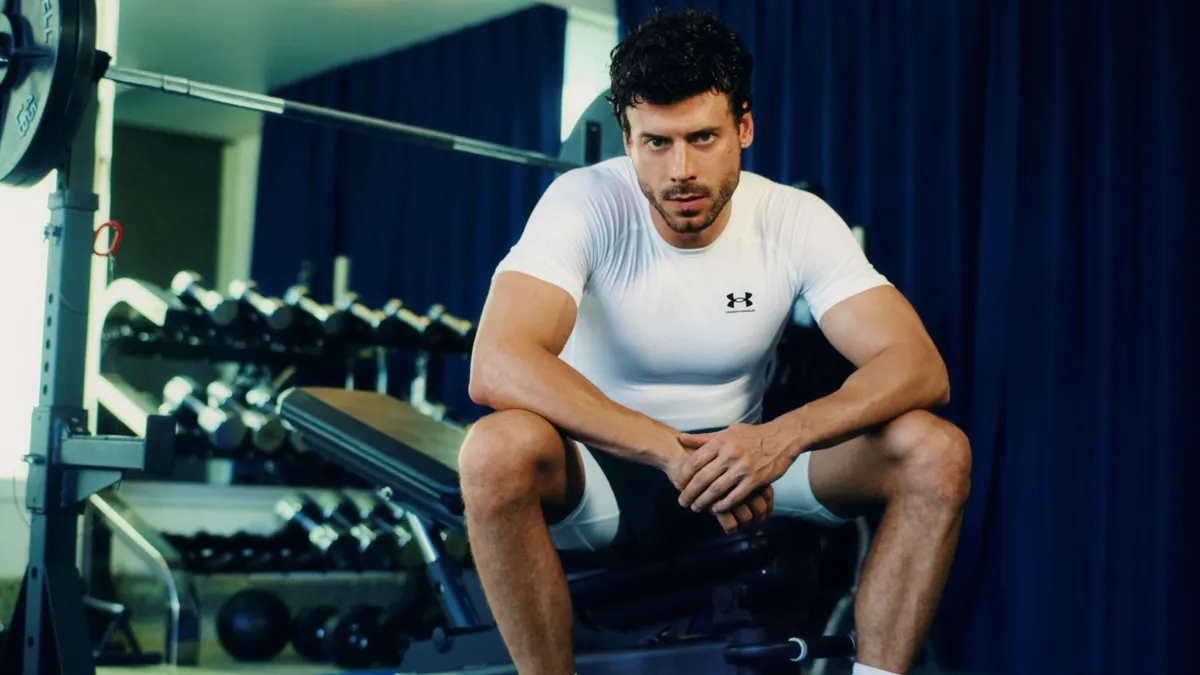
Table of contents
Jump to each section:
- Why this partnership works right now
- What “For When It’s Hot” is selling (without saying it)
- What this means for Under Armour’s marketing mix
- What marketers should know about product-led celebrity casting
Why this partnership works right now
The key detail is not that Arnaud is famous. It is that his “Heated Rivalry” character is already seen in Under Armour gear. That makes the ambassador announcement feel less like a sponsorship bolt-on and more like a continuation of a story people already recognize.
For fans, that kind of continuity matters. It protects the “authenticity” feeling that fandoms guard aggressively: if someone is going to represent a performance brand, audiences want to believe they actually live in the world the brand is selling.
Under Armour is also positioning the partnership around “training, wellness and performance,” tying Arnaud’s image to the brand’s core performance identity rather than lifestyle-only messaging.
What “For When It’s Hot” is selling (without saying it)
The first “For When It’s Hot” spot is timed to what Under Armour describes as historically North America’s hottest week of the year. The creative puts Arnaud in a garage workout scene, with neighbors watching, which frames HeatGear less as a technical fabric story and more as a relatable summer reality: you are still going to train, even when it is uncomfortable.
Product-wise, the campaign is used to tease the HeatGear franchise and highlight specific lines including UA Vanish Elite, UA Icon Fleece, UA Sola, and UA Reign XT. The thread connecting them is not “newness,” it is credibility and repeatability: Under Armour is putting attention behind existing franchises it wants consumers to associate with its training ethos.
What this means for Under Armour’s marketing mix
Under Armour has said it spends roughly $500 million a year on marketing and is investing an additional $30 million this year. Just as important, leadership framed that investment as storytelling discipline, not simply spend expansion.
CEO Kevin Plank has also emphasized concentrating investment behind products, athletes, and stories that clearly communicate performance credibility and differentiate the brand. In practice, the Arnaud partnership fits that posture in three ways:
- Franchise-first storytelling: HeatGear is the center, and the ambassador is a narrative vehicle for it.
- Sharper assortment focus: Under Armour completed a major SKU reduction effort in May and is continuing to cull its assortment, which supports marketing that repeats key franchises instead of constantly rotating messages.
- Efficiency framing: Plank described the spend as intended to drive more efficiency, implying a preference for campaigns that clarify the brand rather than widen the message.
What marketers should know about product-led celebrity casting
This kind of partnership is a reminder that celebrity marketing performs best when it feels like it belongs to the product story first, and only second to the fame.
1. Cast for “already believable,” not just reach
When the audience has seen the talent (or their character) in your gear before, you start with less skepticism. That reduces the need for heavy-handed claims in the creative.
2. Use seasonal truth as the hook
“Hottest week of the year” is not a brand slogan, it is a shared experience. It gives performance gear marketing a simple reason to exist right now.
3. Let the franchise do the brand-building
The campaign is built to tease HeatGear and spotlight specific lines, which is a practical way to make storytelling serve merchandising without turning the ad into a catalog.
4. Consistency becomes the strategy when assortment tightens
With SKU reduction completed and further culling underway, repeating core franchises can become a feature, not a limitation, because it teaches consumers what the brand stands for.
5. Make “authenticity” concrete
Under Armour’s internal quote about embracing who you truly are works because the campaign is paired with a visible, grounded workout scenario. The message lands better when the audience can picture the feeling.
Bigger picture, this is a brand trying to rebuild clarity: not by widening the narrative, but by narrowing it to a few high-signal products and stories that audiences can remember. The cultural advantage of casting someone tied to a phenomenon is that it can borrow emotional attention, but the business advantage only shows up if that attention reliably points back to the franchise you are trying to own.
If Under Armour keeps pairing recognizable cultural faces with repeatable product truths, it can make its marketing feel less like periodic reinvention and more like a consistent point of view.