Back-to-school marketing only works when it feels like a real reset, not just a coupon season. For a lot of students, this moment is about trying on a new version of yourself, and the internet turns that into a constant stream of outfit checks, campus day-in-the-life videos, and identity-signaling “what I’m wearing” posts.
In that context, UGG is framing back-to-school around art, self-expression, and creative confidence, with alternative-pop band Muna positioned as the campaign’s emotional anchor and cultural shorthand for being unapologetically yourself.
Table of contents
Jump to each section:
- Why back-to-school still hits as a culture moment
- What UGG is doing with Muna and campus creators
- How the campaign turns school into a creative studio
- The purpose layer: partnerships and donations
- What this means for marketers
Why back-to-school still hits as a culture moment
Back-to-school is one of the few retail seasons that comes with built-in identity pressure. Students are not only shopping, they’re auditioning a vibe for a new year: who they sit with, what they’re into, what they want to be seen as. Style becomes a shortcut for that story.
That’s why campaigns that focus on individuality and creative communities tend to land with Gen Z. They mirror how people actually experience the season: less “I need supplies” and more “I’m building my aesthetic.”
What UGG is doing with Muna and campus creators
UGG is centering the campaign on Muna, alongside young creators, artists, and students, and supporting it with paid media across Meta, TikTok, Snap, and Pinterest.
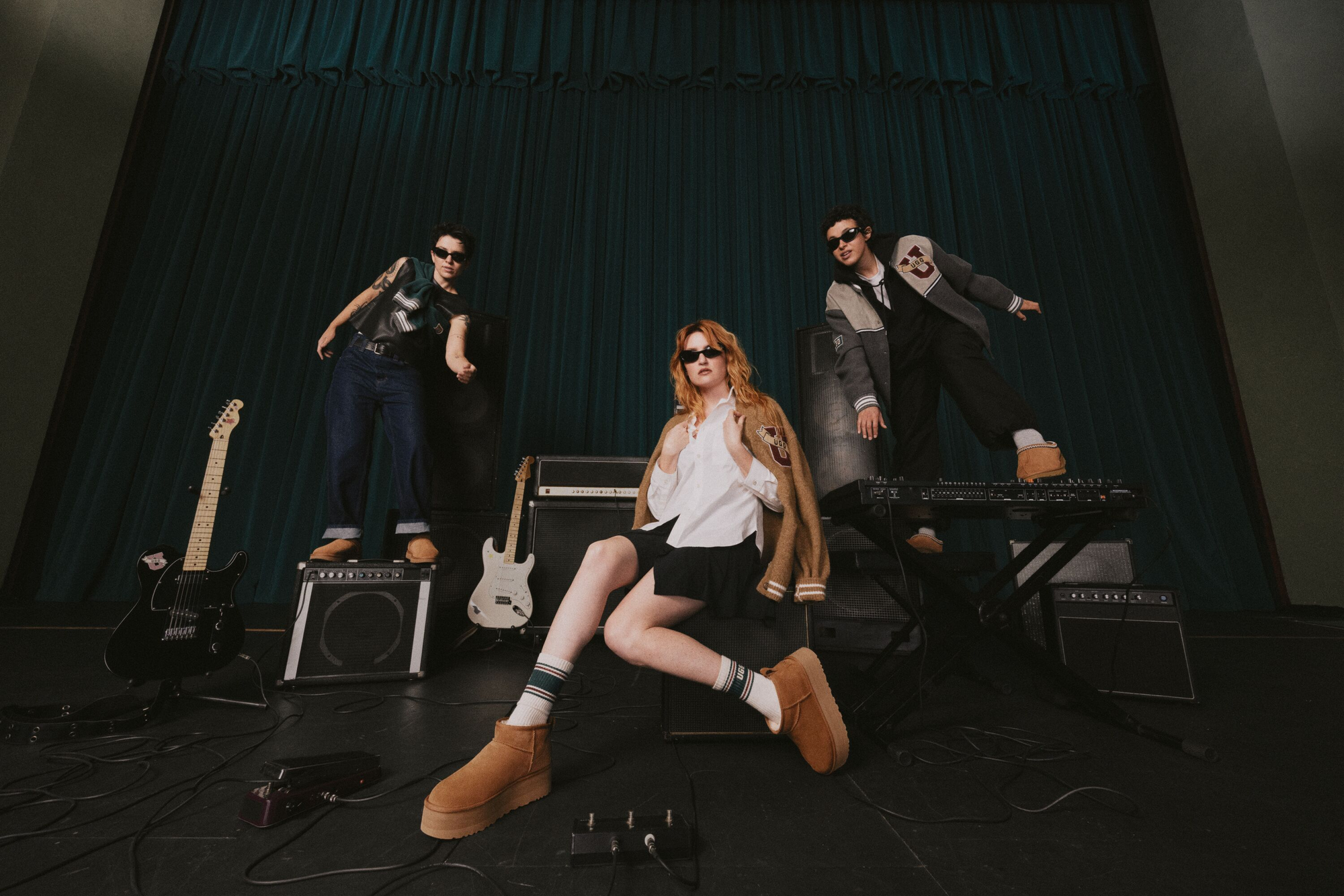
The brand shot campaign content at Santa Monica High School in Los Angeles, with creative direction by Tastebuds Creative. It’s also running a creator program with artists from art and design schools across the U.S. and Canada, positioning student creators as a core part of the storytelling rather than an afterthought.
How the campaign turns school into a creative studio
The creative concept reframes school spaces as studios: places where students make things, experiment, and figure out what they like. That’s a smart fit for a footwear and apparel push because it turns product into part of a daily ritual, not a standalone purchase.
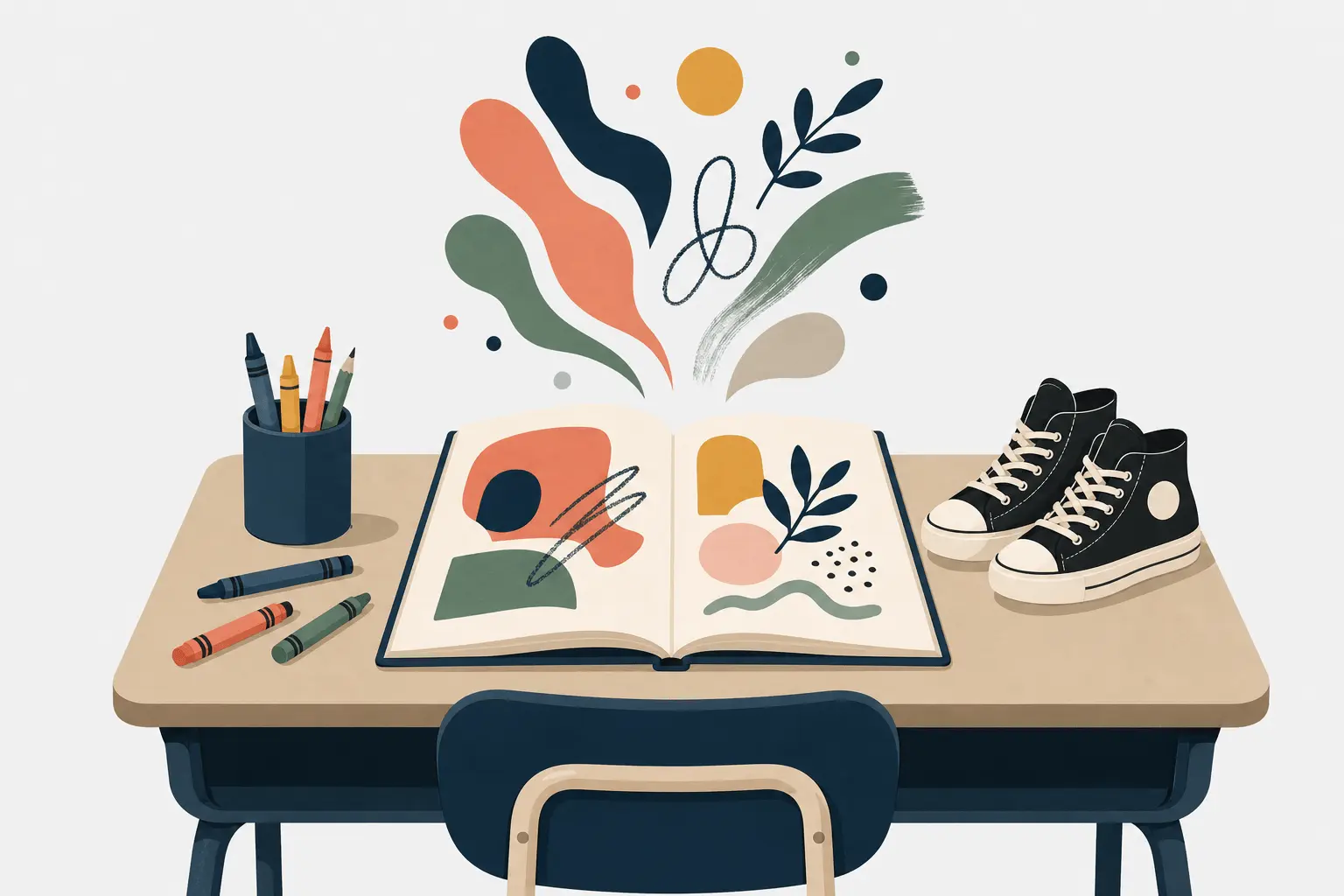
UGG is also adding retail-linked incentives that keep the theme consistent. Starting Aug. 1, shoppers who spend $150 or more at participating stores can receive a custom coloring book and crayon pack while supplies last. On the accessibility side, UGG is offering students 10% off through Unidays, and teachers and educators 10% off through SheerID.
The purpose layer: partnerships and donations
UGG is continuing its partnership with Queer|Art, a nonprofit supporting LGBTQ+ artists, and donated to Chicxs Rockerxs South East Los Angeles (CRSELA), a nonprofit focused on music, mentorship, and social justice.
This matters because the campaign’s cultural positioning relies on credibility. Muna’s public identity and creative stance make the “self-expression” theme feel more specific than generic back-to-school messaging. The nonprofit partnerships function as proof points that the brand is investing in the communities it’s referencing, not only borrowing their aesthetics.
What this means for marketers
Back-to-school campaigns often default to price, bundles, and “get ready” checklists. This one is a reminder that the season can be treated like a social moment first, and a shopping moment second.
- Treat seasons like identity moments, not calendar moments
The strongest part of this approach is how it aligns with how students feel: new year, new self, new confidence. When the emotional context is right, product messaging doesn’t have to work as hard. - Use creators as the setting, not just the distribution
Building a creator program with students from art and design schools turns creator content into part of the campaign world. That reads more like community storytelling than an influencer media buy. - Make cultural casting do real work
Muna is not just a recognizable name, it’s a signal of values and a specific audience relationship. If a campaign leans on “self-expression,” the lead talent has to naturally embody it. - Keep incentives on-theme
A coloring book and crayons could have felt random, but within an arts-first narrative it becomes a continuation of the story. Promotional mechanics land better when they feel like part of the same universe. - Purpose needs consistency to feel believable
Continuing the Queer|Art partnership and adding a donation to CRSELA reinforces that this is not a one-off seasonal pose. For audiences that are quick to clock inconsistency, long-term commitments matter.
Zooming out, this campaign reflects a bigger shift in youth marketing: students do not just buy for utility, they buy for self-concept and social belonging. When brands build a world that people recognize from their own feeds and friend groups, the marketing feels less like persuasion and more like participation.
That’s the underlying play here: connect product to the feeling of becoming, and use creators and communities to make that feeling look real.