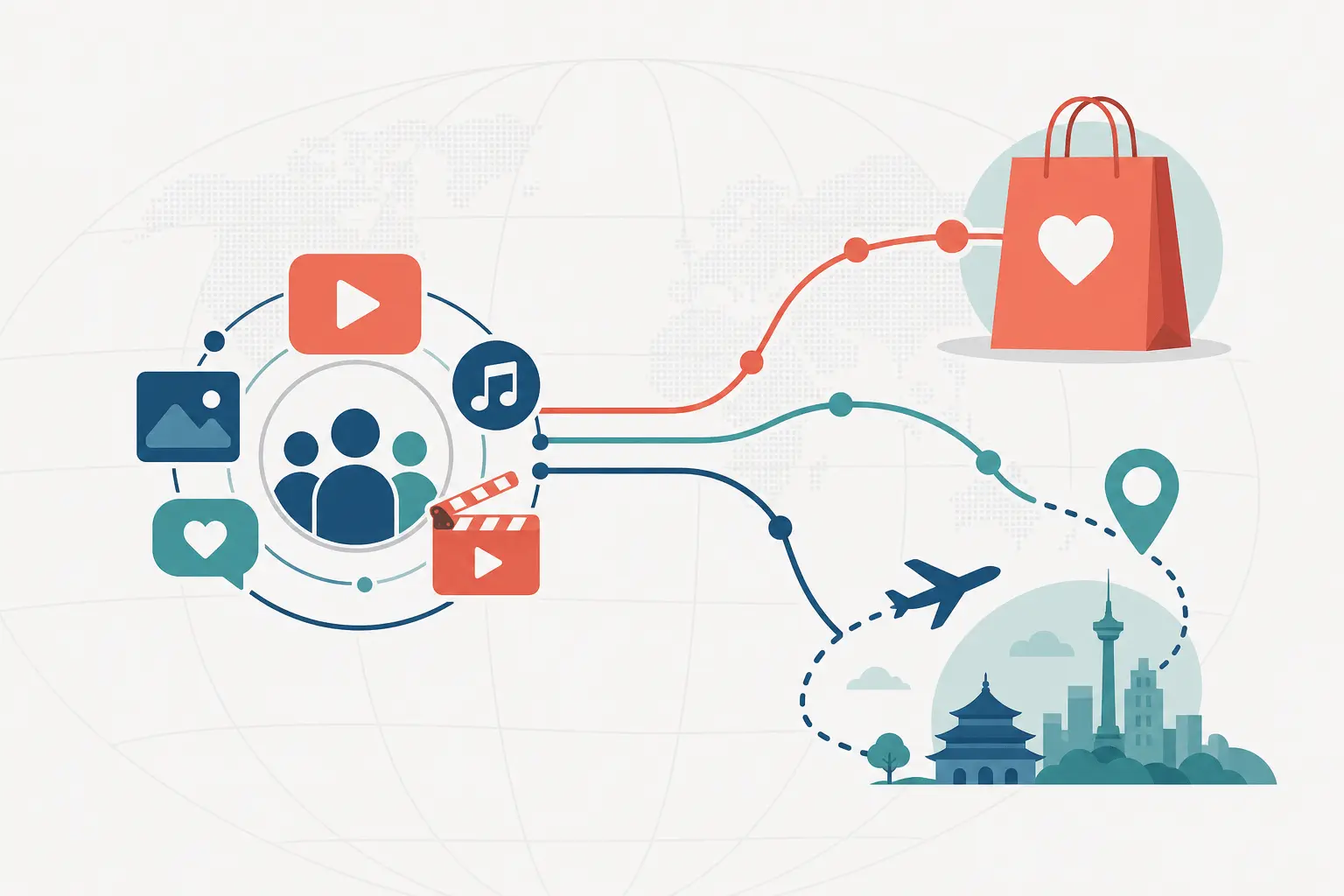
Hallyu, the Korean Wave, is no longer just a culture story. It is an export engine with category-level winners and losers, and a measurable link between content consumption and downstream demand for consumer goods and tourism.
A new “Study on the Hallyu Ecosystem” from the Korean Foundation for International Cultural Exchange and South Korea’s Ministry of Culture, Sports and Tourism put a number on that engine: exports reached US$18.98 billion in 2025 (described as roughly US$19 billion), up 15.9% from 2024. The report also points to AI-driven personalization services as an accelerant for global fandom growth, alongside breakout content like “KPop Demon Hunters.” The details were outlined in the study’s published write-up in an officially shared report summary.
One strategic observation worth holding onto: when fandom scales, it rarely stays inside the content category that created it, it spills into shopping baskets, travel plans, and brand preference.
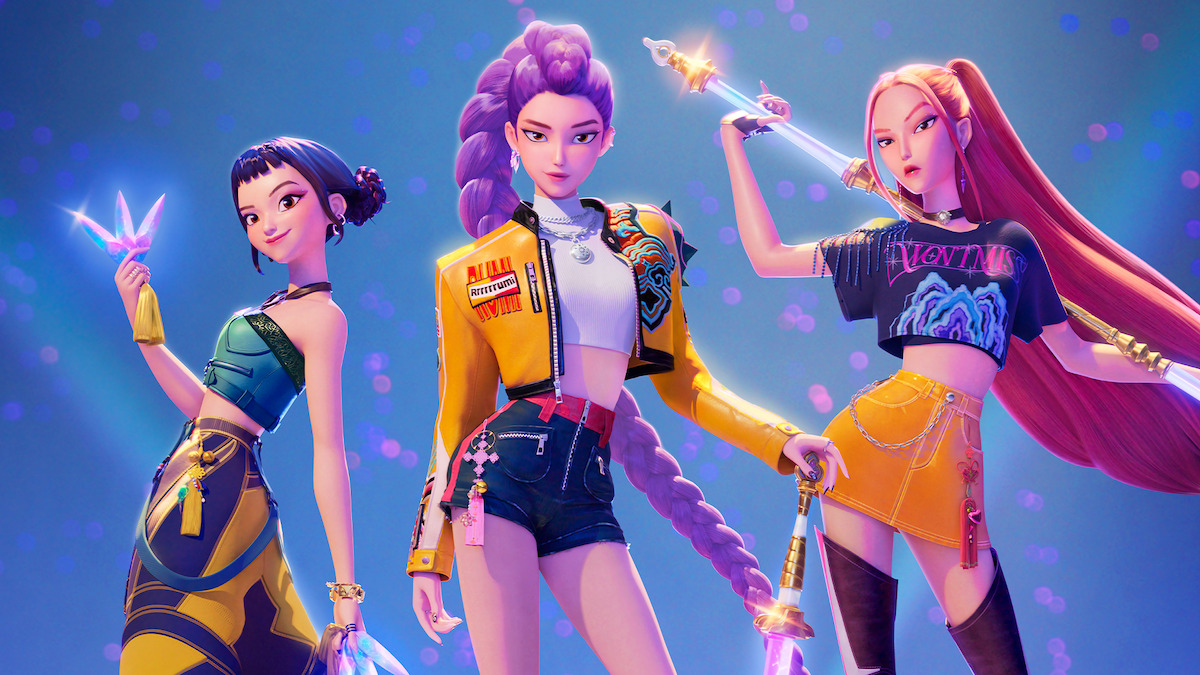
Table of contents
Jump to each section:
- What the Hallyu export numbers actually signal
- Why AI personalization is becoming a fandom growth layer
- The category mix matters more than the headline total
- What marketers should know about Hallyu’s export flywheel
What the Hallyu export numbers actually signal
The headline figure, US$18.98 billion in exports in 2025, is important. But the more useful signal is that Hallyu is being measured like an economic system, not a set of isolated hits. The report frames growth as ecosystem-driven, where content, platforms, and commerce reinforce each other.
Another strategic observation: export growth is often treated as a distribution win, but in modern entertainment it is equally a product design win. If audiences are being retained and monetized across formats and regions, the “product” is the end-to-end experience, not the song, show, or game alone.
The report also adds a useful perception metric: South Korea’s average image rating rose to 3.8 out of 5 from 3.7 a year earlier, with higher average scores (4.0) reported among respondents in Indonesia, India, the UAE, Saudi Arabia, and Egypt, and lower scores in Japan (3.1), China (3.4), Taiwan (3.5), and Italy (3.5). For brand strategists, perception change is the quiet multiplier that affects everything from partnership willingness to premium pricing.
Why AI personalization is becoming a fandom growth layer
The report explicitly attributes part of the growth to the expansion of AI-driven personalization services that accelerated global fandoms. That phrasing matters because it places AI in a very specific role: not as “content creation,” but as a distribution-and-retention mechanism.
The common assumption is that fandom grows mainly through blockbuster releases and viral moments. The contrasting reality is that fandom compounds when platforms keep matching people to the next piece of content fast enough to prevent drop-off. The strategic implication is that recommendation, localization pathways, and personalized discovery are now part of the marketing mix, even when teams do not control the platform.
“KPop Demon Hunters” is cited as a massive hit in the report’s discussion of momentum. Whether a title breaks out because of story, timing, or format, AI personalization can extend the half-life by routing adjacent audiences into similar content. That is how a single cultural moment turns into sustained export growth.
The category mix matters more than the headline total
Content exports grew 14.2% overall, but the internal mix is where marketers should pay attention:
- Games remained the largest category at US$7.83 billion, despite an 8% decrease.
- Music rose 84% to US$3.1 billion.
- Broadcasting climbed 29.7% to US$1.6 billion.
This is not a uniform lift across all cultural exports. It is rotation. A practical observation: ecosystems do not grow smoothly, they reallocate attention. That reallocation creates opportunity for brands tied to fast-growing formats and pressure for those anchored to slowing ones.
The report also notes spillover effects into consumer goods like K-food and K-beauty, as well as tourism. That is the key connective tissue for marketing teams: content is acting as top-of-funnel demand creation for categories that sit far outside “media,” and the conversion pathway may be indirect but still economically meaningful.
What marketers should know about Hallyu’s export flywheel
The deeper shift is that culture-led growth is becoming more measurable, more segmented, and more influenced by personalization mechanics than many brand teams assume.
- Treat “fandom” as a retention asset, not a campaign outcome
The report’s framing suggests fandom growth is being accelerated through personalization services. For marketers, that means retention loops (what people discover next) are as important as the first touchpoint. - Budget for category spillover, not just sponsorship fit
The study links content momentum to exports in consumer goods and tourism. If you only evaluate Hallyu through “brand fit” in entertainment partnerships, you may miss the larger commercial impact in retail and travel behavior. - Use perception data to guide where localization effort pays off
The image rating differences across countries imply the same content can land differently by market. That should influence creative localization, partnership selection, and how aggressively brands lean into Korean-origin signals versus broader pop-culture positioning. - Follow the mix shifts, not just the total export headline
Games declining while music and broadcasting surge is a reminder that attention moves. Marketers should watch which formats are accelerating because those formats set the pace for discovery, influencer ecosystems, and merchandise behavior.
A final strategic observation: in global marketing, culture is the fastest way to borrow trust, but personalization is the fastest way to compound it. When both are present, the “campaign” becomes an always-on system that keeps recruiting new fans and deepening spending among existing ones.
If this pattern continues, the marketing advantage will go to teams that can connect three layers: cultural narrative, distribution mechanics, and commerce conversion. Not every brand needs to participate directly in Korean entertainment. But every brand competing for attention should learn from the way Hallyu turns attention into repeat engagement, and repeat engagement into measurable export value.