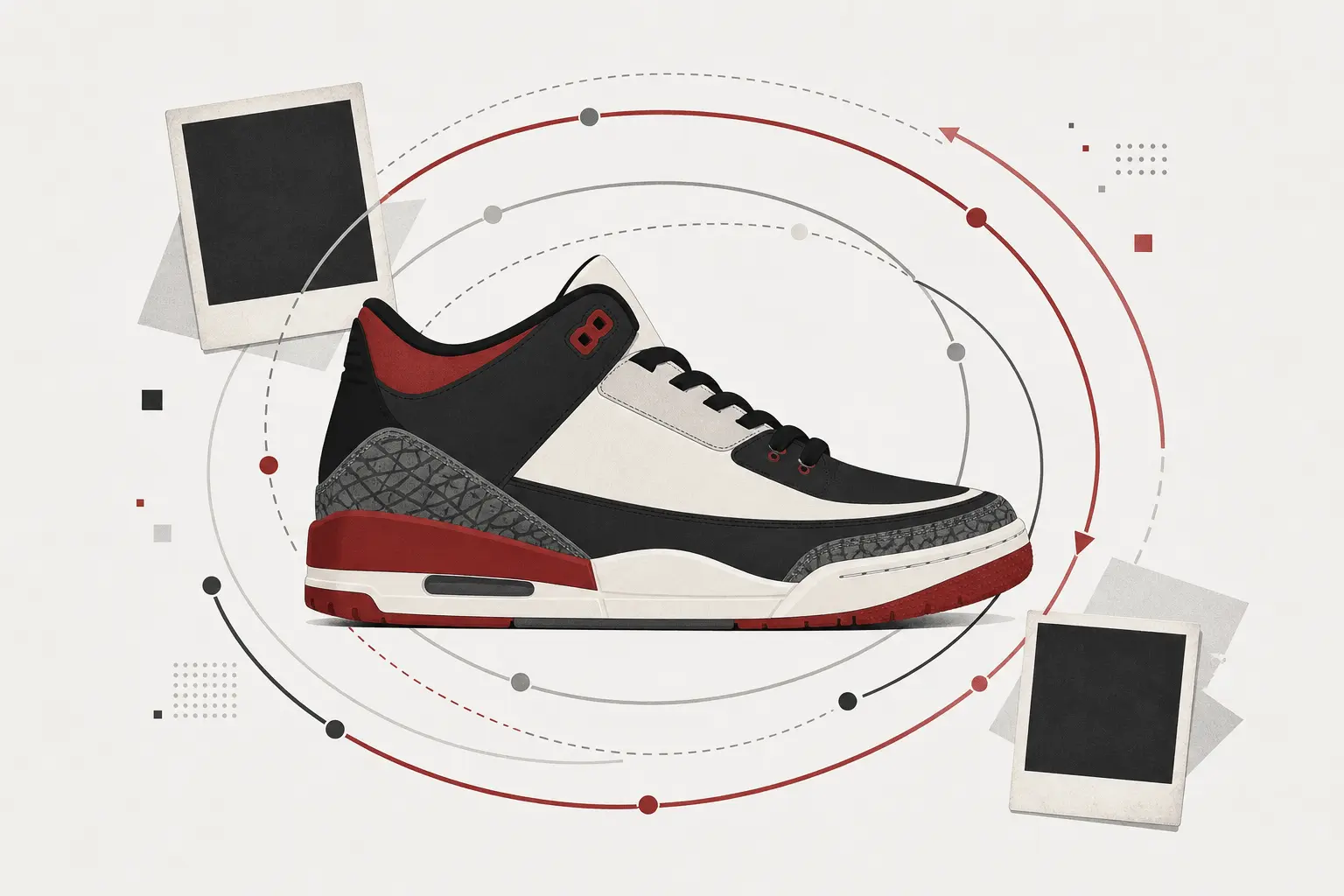
Sneaker culture has a way of turning everyday footwear into memory markers: your first pair, the pair you begged for, the pair you could not get, the pair that defines a whole era of music, basketball, or school hallways. That emotional timeline is what brands keep trying to tap, because it is one of the few consumer categories where people can narrate their lives through product drops.
Foot Locker is leaning into that cultural role with a new brand platform, “It Always Will Be Foot Locker,” positioning the retailer as a long-running home base for sneaker culture since its founding in 1974. The company outlined the update in an official announcement shared here.
Table of contents
Jump to each section:
- How Foot Locker is framing its place in sneaker culture
- The hero film’s job: make the brand feel like a witness, not a seller
- Sole Stories extends the platform into creator-friendly short-form
- What this means for marketers
How Foot Locker is framing its place in sneaker culture
“It Always Will Be Foot Locker” is built around a simple idea: Foot Locker did not invent sneaker culture, but it has served as one of the most visible places where that culture shows up in public.
That distinction matters. Sneaker culture is not just about product, it is about belonging and credibility. People treat sneakers like social signals, collectibles, and personal history, and they often give more credit to the communities (basketball, hip-hop, streetwear, local scenes) than to any single retailer. Foot Locker’s messaging is essentially: we have been here through the eras, and we are still here.
The platform also follows Foot Locker’s earlier 2026 basketball-focused brand platform, “Hoops Lives Here,” but this newer work broadens the scope beyond sport to include fashion, music, TV, film, and general pop culture.
The hero film’s job: make the brand feel like a witness, not a seller
The campaign is anchored by a two-minute hero film that runs across broadcast, social, digital, out-of-home, and in-store. It is narrated by rapper-actor Method Man, with a line that frames the whole concept: “No matter the color, trend, era, moment in culture, emotion or sport, it always was and always will be Foot Locker.”
Instead of focusing on a single drop or a single athlete, the creative leans into a microdocumentary feel, mixing archival footage and commercials. It moves through recognizable sneaker and pop culture reference points like Adidas Stan Smiths, Nike’s early Air Jordans, challenger brands like New Balance and Reebok, music moments including Run-D.M.C. and Nelly, TV and film references like “Family Matters” and “The Wizard of Oz,” and basketball names including Allen Iverson, Vince Carter, and LeBron James. Foot Locker’s Striper employees appear throughout in past and present footage, reinforcing the “we were there” positioning.
The work was created with Someplace, a Santa Monica agency founded in 2022 by three Wieden+Kennedy veterans.
Sole Stories extends the platform into creator-friendly short-form
If the hero film is meant to feel like a big cultural statement, Sole Stories is designed to keep the conversation going in smaller, more personal clips.
Foot Locker is rolling out Sole Stories as a short-form documentary series created with Hartbeat, Kevin Hart’s entertainment company. The series is planned as 36 episodes rolling out through the fall across social, digital, influencer, and in-store channels.
The most important creative choice here is that the series is framed around real people explaining what sneaker culture has meant to them, from the emotions attached to their first sneaker to their favorite pair to “the ones that got away.” That angle maps to how sneaker fans actually talk: not in spec sheets, but in stories.
What this means for marketers
Foot Locker’s platform is a reminder that in culture-led categories, the strongest brand move is often to sound like you understand why people care, not just what they buy.
- Nostalgia works best when it feels specific, not generic
The hero film references particular sneaker eras and pop culture touchpoints rather than relying on vague “heritage” language. That specificity is what makes people feel like the brand is part of the same timeline they are. - Being a “home” for a community can be more credible than claiming ownership
Foot Locker’s message that it did not create sneaker culture but “gave it a home” is a positioning choice that respects how communities assign credit. For marketers, it is a useful template: support the culture, do not try to take it over. - Short-form series can carry the emotional narrative that ads cannot
Sole Stories shifts from brand-level storytelling to human-level storytelling, which is typically what performs better in social feeds. A platform can be anchored by a hero film, but sustained belief is usually built through repeatable formats. - In-store presence becomes a media channel when it matches the story
Because Foot Locker’s retail experience is part of its cultural identity, running the platform across in-store touchpoints is not just distribution. It reinforces the claim that this is where sneaker culture shows up in real life. - Brand meaning matters most when awareness is already high
Foot Locker’s leadership frames the challenge as rebuilding emotional connection, not awareness. That is a useful diagnostic for mature brands: when everyone knows you, the work is about what you represent, and why someone should still choose you.
The broader signal is that sneaker culture is still a living, participatory identity space, even as trends cycle faster and platforms change. Brands that want to play in that space have to treat community memory as a real asset, not just an aesthetic.
Foot Locker is essentially betting that its past can be proof of belonging, and that proof can help it reconnect with consumers as the business evolves under Dick’s Sporting Goods ownership. For marketers, the lesson is less about “retro creative” and more about credibility: if you are going to invoke culture, you have to show your receipts, and you have to let people feel like the story includes them.
This article is created by humans with AI assistance, powered by ContentGrow. Ready to automate your content marketing?