
Ann Taylor is stepping back into the spotlight at a moment when “workwear” is not just about office dress codes, it is about identity. People want outfits that can move through real life: commute, meetings, school pickup, a quick coffee, and whatever the day turns into after 6 p.m.
That’s the cultural tension the brand is leaning into with its first major integrated campaign in nearly a decade, “This Is Ann,” framed as a reintroduction of Ann Taylor to the world. The company also outlined the campaign details in an official announcement.
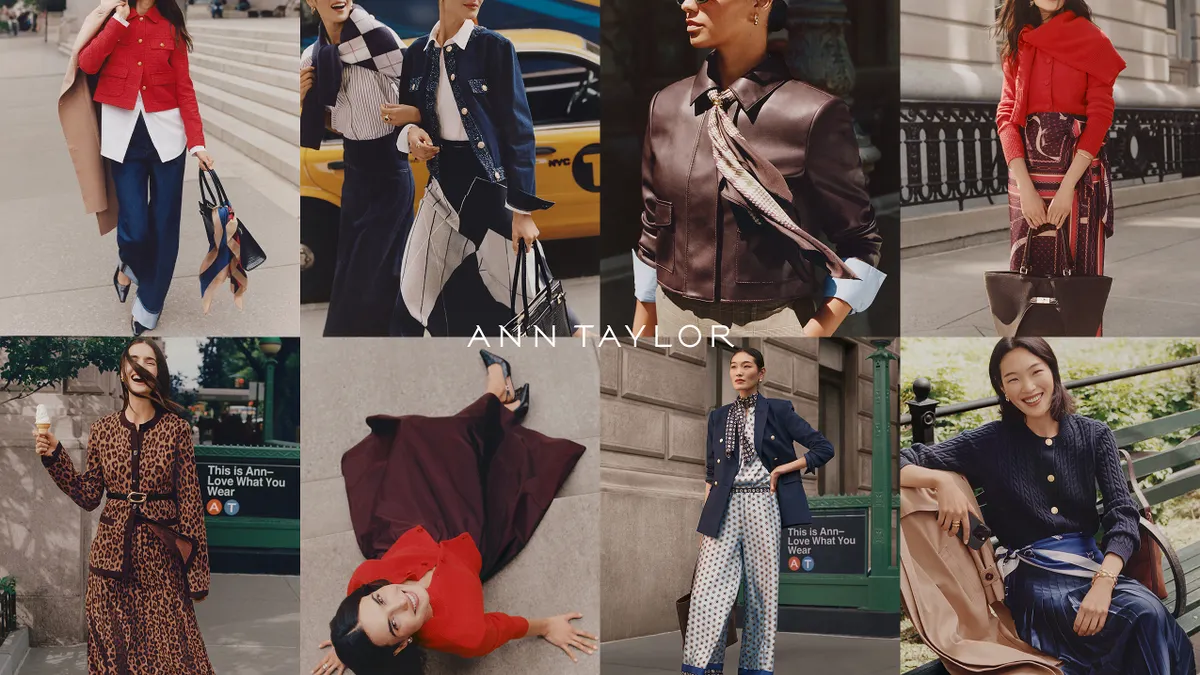
Table of contents
Jump to each section:
- Why “multifaceted working women” is the real brief
- What Ann Taylor’s fall campaign actually looks like
- The Substack and the shift to owned community
- Why New York Fashion Week still matters for heritage retail
- What this means for marketers
Why “multifaceted working women” is the real brief
“Modern working women” can read like a generic target on a slide, but the campaign’s promise is more specific: stop flattening women into a single corporate archetype.
“This Is Ann” is built around that idea of a day with multiple versions of you. Not “day-to-night” in a glossy way, but the reality of changing contexts: professional, social, family, and personal. That framing matters because it meets customers where they actually live, not where traditional officewear advertising used to place them.
There’s also a timing signal here. Ann Taylor is owned by KnitWell Group (which also markets Loft, Talbots and Chico’s), and this is described as its first campaign of this scale since 2017. For a legacy label founded in 1954, returning to integrated brand advertising is a statement that the business wants to be remembered, not just shopped.
What Ann Taylor’s fall campaign actually looks like
The creative centers on a busy mom moving through different moments while wearing outfits for work and more casual settings, like meeting a friend for coffee. It was shot in New York City, with scenes around the Upper West Side and Central Park.
The fall assortment shown in the campaign leans into tailored staples: sharply cut blazers, silk scarves and separates. That matters because the product story is not trend-chasing. It is about building a wardrobe that reads capable and current without requiring constant reinvention.
Ann Taylor says the campaign was developed in-house, which suggests the brand wants tighter control over how it defines “Ann” now, especially if the goal is a reintroduction rather than a seasonal push.
The Substack and the shift to owned community
Before the big campaign moment, Ann Taylor already started building a different kind of relationship channel. In February, it debuted a Substack called The Desk that publishes career and style advice.
That move is easy to dismiss as “content marketing,” but it reflects a bigger distribution reality for retail brands: social feeds are crowded, and brand posts can be easily drowned out. A newsletter gives a brand a direct line, and it also creates text-based material that can circulate beyond social, including in AI-driven discovery surfaces that pull from forums and editorial-style writing.
Ann Taylor is also extending its Style 101 digital video series, which fits the same theme: help customers make sense of getting dressed for a multidimensional life, not just sell them a single outfit.
Why New York Fashion Week still matters for heritage retail
Ann Taylor plans a New York Fashion Week pop-up activation on Sept. 8 in Manhattan, described as an experiential space in the SoHo neighborhood.
The details are intentionally “editorial”: campaign imagery, a street cart, and a newsstand stocked with “This Is Ann” materials like magalogs, postcards, and custom-wrapped issues of Daily Front Row. For a heritage brand, this is a way to borrow fashion-week energy without needing a runway show to do the heavy lifting.
It also turns the campaign into something people can physically encounter and photograph. Even without promising virality, the format is designed for shareable moments: a newsstand, printed materials, and a space that looks like it belongs in the fashion-week ecosystem.
Looking ahead, Ann Taylor also plans to roll out a brand ambassador program in early 2027 focused on “authentic voices” of women who wear the brand, with an emphasis on social media.
What this means for marketers
Brands are not just competing on product. They are competing on whether people feel seen in the story being told.
- “Reintroduction” campaigns need a point of view, not a logo refresh
Ann Taylor is positioning the brand around a lived experience: juggling roles without losing confidence or style. That is clearer than a generic “new chapter” message. - Owned channels are becoming part of brand safety, not just retention
A Substack like The Desk creates a place where the brand controls context and cadence. It is also a hedge against algorithm volatility in social platforms. - Physical pop-ups can function like media, not just retail
The NYFW activation is built around editorial objects (mags, postcards, wraps) and a newsstand concept. That is designed to be photographed, referenced, and remembered. - In-house creative can work when the brand brief is emotionally specific
The campaign was developed in-house, which can speed iteration and keep the voice consistent, but it only works when the narrative is disciplined and not trying to please everyone. - Ambassador programs are shifting toward credibility, not celebrity
The planned 2027 ambassador program emphasizes “authentic voices.” In practice, that usually means the brand is prioritizing relatability and community fit over star power.
Zooming out, Ann Taylor’s approach reflects a broader retail reality: heritage brands cannot rely on nostalgia alone, and they cannot rely on performance media alone either. They need a story customers can recognize themselves in, repeated across channels that feel personal, not purely transactional.
“This Is Ann” is less about convincing people that tailoring still matters, and more about making the case that a “working woman” is not one look, one role, or one lifestyle. That is a cultural message first, and a marketing strategy second, but it is exactly why it can land.
This article is created by humans with AI assistance, powered by ContentGrow. Ready to automate your content marketing?
Book a discovery call today.