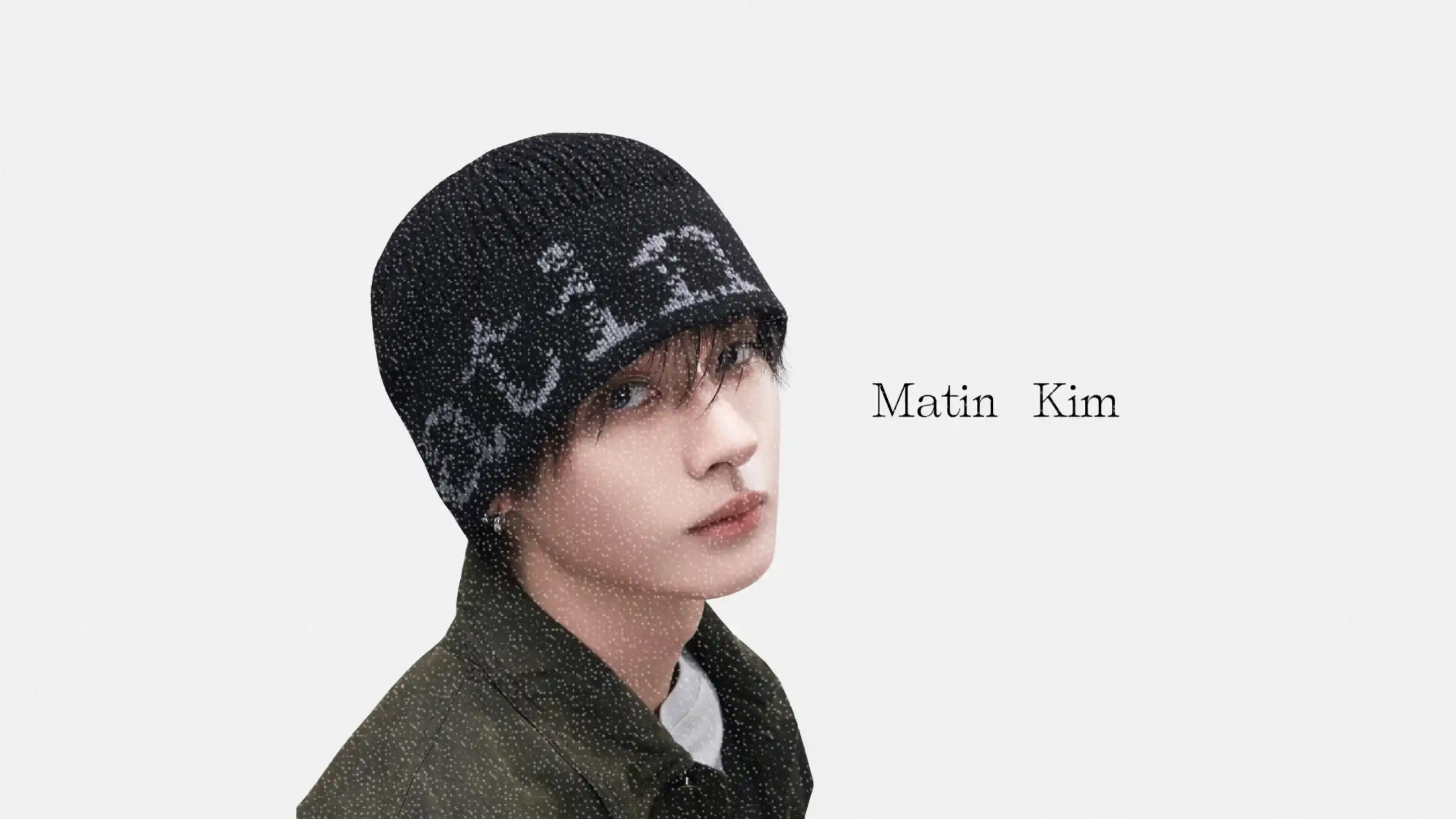
Fashion fandoms love a good “this makes sense” casting, and Lee Know fits neatly into that lane. He has the kind of clean, relaxed presence that reads well in stills, but also feels personal enough to spark the collector mindset: fans want to see every look, every detail, every frame.
In its FW26 campaign, Matin Kim positions that appeal inside a wardrobe that refuses neat categories. The brand shared the campaign in an official announcement, framing Lee Know as the face of the season and anchoring the story with the line: “Matin Kim picked Lee Know.”
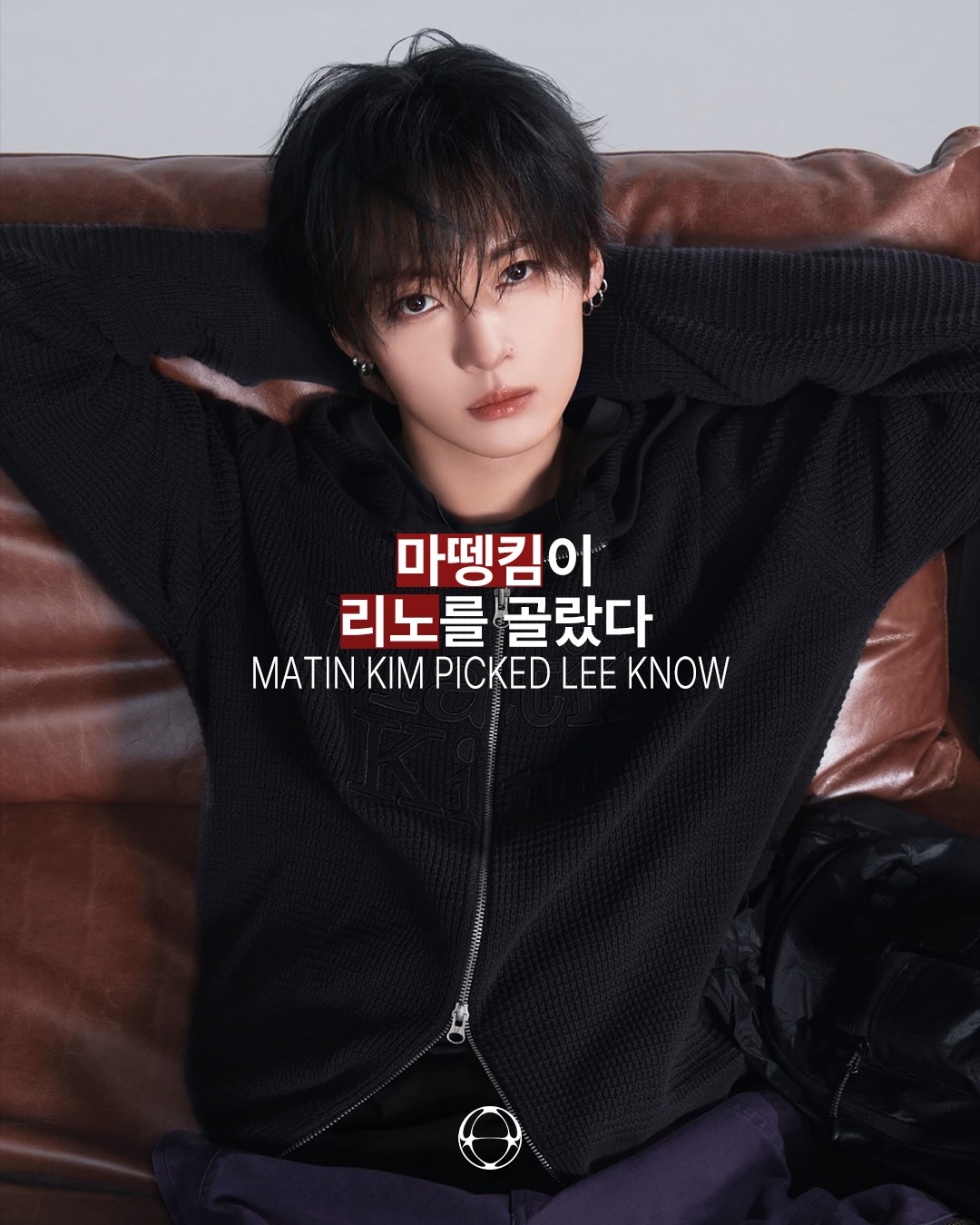
Table of contents
Jump to each section:
- Why this casting works in fan culture
- What the FW26 visuals signal about Matin Kim’s brand code
- How “genderless” styling becomes the actual product story
- What marketers should know about idol-led fashion campaigns
Why this casting works in fan culture
Lee Know is part of Stray Kids, a group that has stayed closely tied to fashion collaborations in recent years, and this campaign extends his individual presence in that space. For fans, solo fashion moments are not just “brand deals.” They are proof of a member’s distinct identity, taste, and aura outside the group context.
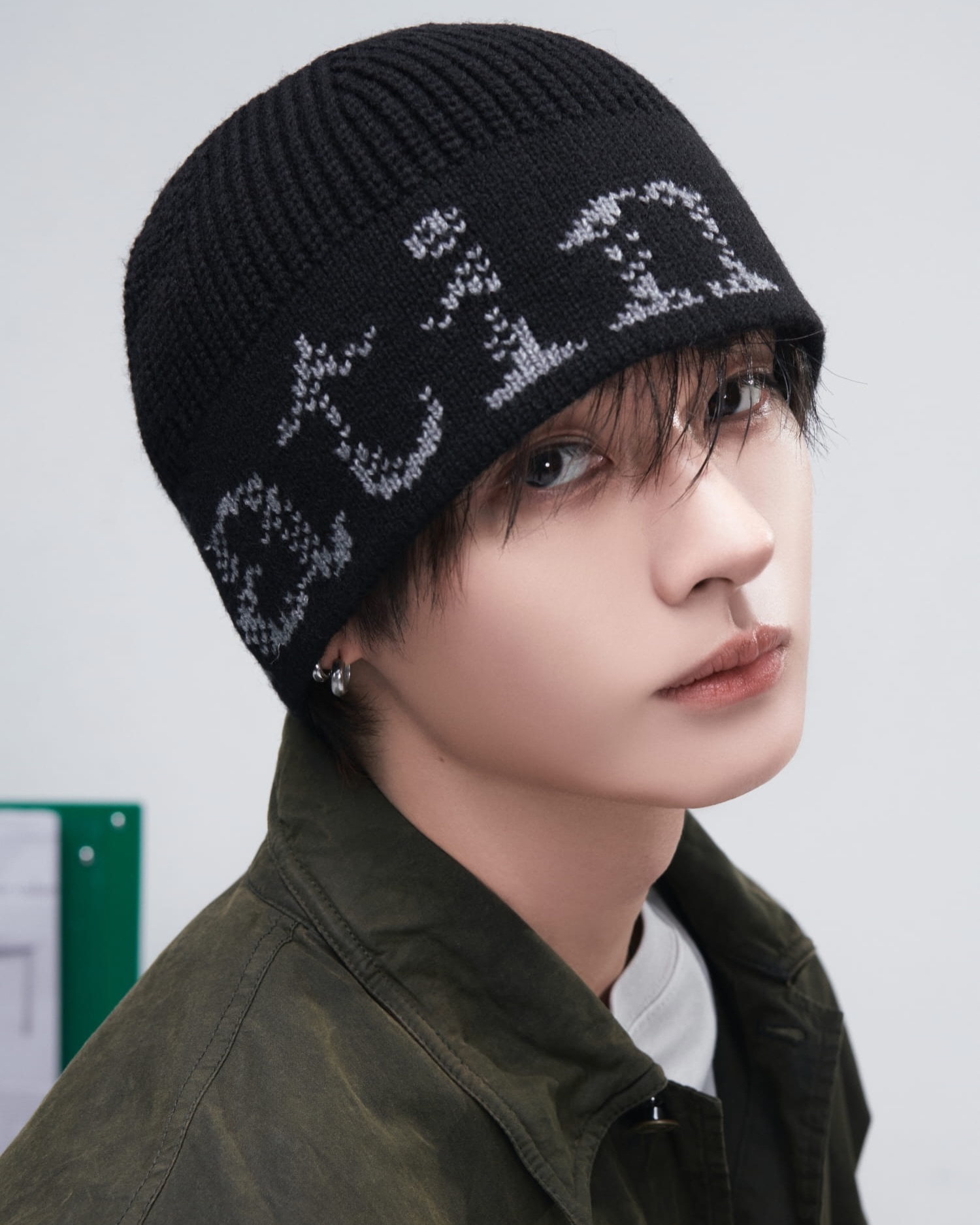
That matters because fashion campaigns are inherently repeatable content. Fans can rewatch, zoom in, screenshot, and discuss styling details without needing a full music comeback cycle. A single jacket, beanie, or pair of cargo pants becomes a small piece of story world that people can hold onto and share.
What the FW26 visuals signal about Matin Kim’s brand code
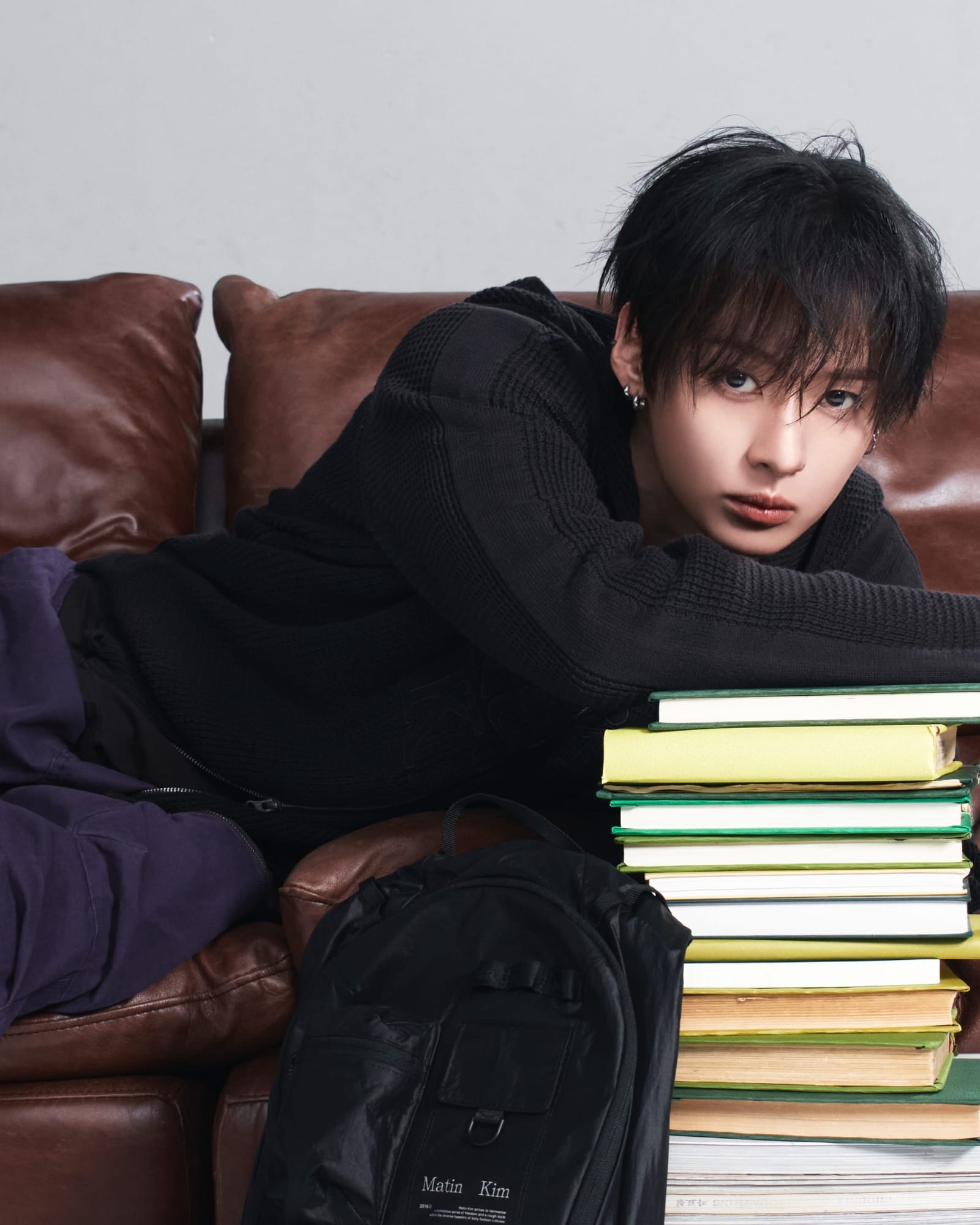
The campaign imagery leans into “everyday-life” intimacy: a brown leather sofa, a stack of books, direct eye contact, and an overall snapshot-like feel. Even when the styling is deliberate, the mood is not stiff. That choice helps the clothes read as wearable, not costume, which is crucial when the audience includes both fashion shoppers and fans who may be new to the label.
The clothing cues are clear in the details mentioned: cargo pants, logo knits, padded jackets, logo beanies, olive-toned outerwear, and wide-leg pants. Instead of pushing a single hero piece, the story is about a whole silhouette system, oversized proportions, layered looks, and texture. That makes the campaign feel like a “closet logic” rather than a one-off outfit.
How “genderless” styling becomes the actual product story
Matin Kim’s message is not subtle: it “blurs the line between womenswear and menswear,” and it frames style as attitude rather than a divided wardrobe. The campaign calls out silhouettes that “transcend gender,” with padded volume, knit texture, and cargo detailing coexisting within the same look.
One of the strongest concrete signals here is the styling contrast: a black zip-up jacket with teal cargo pants used to underscore the brand’s genderless philosophy. That is not an abstract positioning line. It is a readable outfit equation that audiences can copy, remix, and interpret across their own closets.
There is also a practical benefit to making “genderless” the styling engine rather than a slogan. It shifts attention from who a piece is “for” to how it feels when worn: oversized proportions, relaxed energy, comfort, and self-expression.
What marketers should know about idol-led fashion campaigns
Idol casting is often treated like reach. This campaign shows it can also be about taste translation: taking a brand’s design philosophy and giving audiences a person who makes it feel intuitive.
- Fans engage with styling like a story, not a product page
The sofa setting, book stack, and “snapshot” mood invite repeat viewing because they feel personal. That creates more room for organic sharing than a purely studio-polished fashion editorial. - A clear phrase can anchor the campaign narrative
“Matin Kim picked Lee Know” is simple, memorable, and easy to repeat. In online culture, repeatable language is how a campaign becomes a caption, a comment, and eventually a shorthand. - “Genderless” lands better when it is shown through outfits
The campaign ties the philosophy to specific silhouettes and pairings (padded jackets, wide pants, cargo details). That makes the idea actionable for shoppers and legible for casual viewers. - Solo idol moments can extend brand attention between bigger cultural cycles
Fans do not need a comeback to stay engaged. A strong fashion campaign can function as an “in-between” cultural event that still generates conversation, saves, and screenshots.
Ultimately, the cultural signal here is that identity-forward dressing keeps moving away from rules and toward mood. When brands give audiences a vibe they can inhabit, and a public figure who models it without forcing it, the marketing becomes less about persuasion and more about permission: you can stretch your wardrobe boundaries, and it can still feel like you.
That is where idol-led fashion campaigns continue to work best. They do not just borrow attention. They offer a familiar face as a guide into a brand’s world, then let fans do what they already do naturally: collect the details, share the frames, and make the look part of their own self-expression.