Sneaker history can feel remote until someone makes it look wearable. In Nike‘s Moon Shoe campaign, LISA does that through a lunar set, vivid red styling and a slim sneaker that carries the brand’s early running story into a different cultural setting.
For followers of the BLACKPINK performer, the point of entry is her presence and styling. For footwear enthusiasts, it is the return to an archival design. Putting those interests in the same frame gives the campaign a useful tension: a familiar contemporary star wearing a product with a much older identity.
Table of contents
Jump to each section:
- Lisa gives the Moon Shoe a new setting
- An archive story with a musical connection
- What brand teams can learn from Nike
Lisa gives the Moon Shoe a new setting
LISA appears in the Moon Shoe campaign wearing the low-profile sneaker with a red ensemble. The creative places her on a lunar landscape, where she plants a Nike Sportswear flag. The shoe’s name becomes a setting the audience can immediately understand.
The seasonal styles are available through Nike and selected global retailers. This is a campaign appearance around an existing heritage silhouette; the available material does not establish a newly appointed global ambassador role or a Lisa-designed signature shoe.
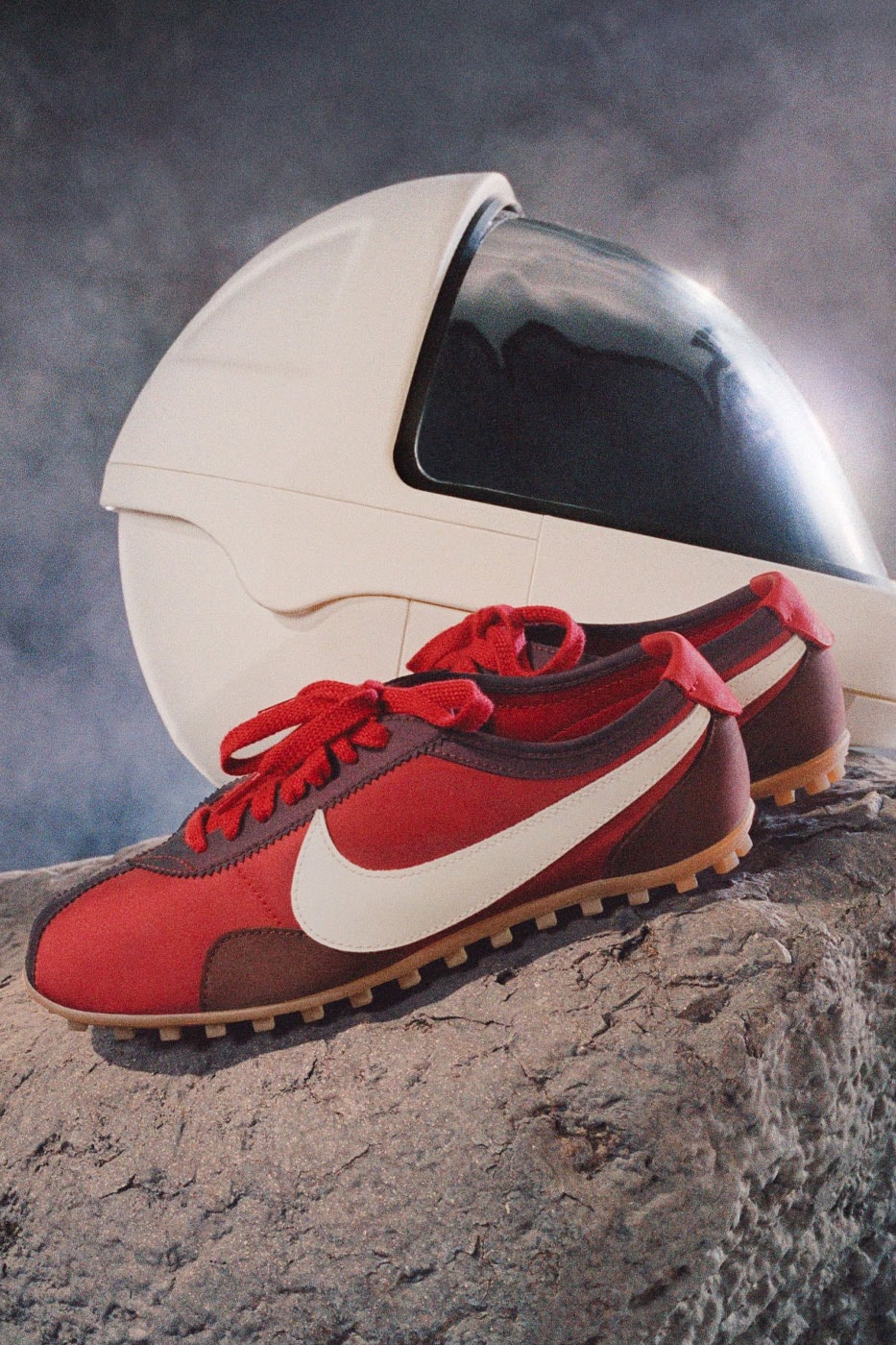
The red styling gives viewers a clear visual thread between the performer and the footwear. That matters because a recognizable face can easily become the only thing people remember from an endorsement. Here, the scene, product name and styling give the shoe a role in the image.
An archive story with a musical connection
The Moon Shoe’s backstory comes from Bill Bowerman’s experiments with waffle-pattern traction. Nike’s archive account connects the shoe’s name to the marks its sole left on the ground. The new setting turns that origin into a literal moon scene, making a piece of footwear history legible without requiring an audience to know it beforehand.
The campaign’s soundtrack adds another reference: “Mister Magic Moon” by The Kim Sisters with Joe Tanner’s Orchestra. Pairing an earlier Korean musical act with a present-day BLACKPINK member gives the creative a connection beyond the shared lunar vocabulary. It invites a reading of continuity across musical generations, although that interpretation should not be mistaken for evidence of audience response.

Nike has already used Lisa’s performance identity in a different context. Its NikeSKIMS Spring collection campaign put her alongside professional dancers in Paris. Speaking about that earlier collection, Lisa said: “When I’m performing, it’s all about looking great while still being able to move and dance.”
The distinction is useful. NikeSKIMS tied her movement to the clothes’ purpose. Moon Shoe builds a scene around the footwear’s name and history. The same performer can carry both ideas, but the product gives each campaign its own reason to exist.
What brand teams can learn from Nike
The interesting choice is how much work the product does alongside the celebrity. Lisa brings recognition; the shoe supplies the setting, design details and historical reference.
1. Give the talent something specific to inhabit. A lunar landscape and flag-planting scene make this appearance identifiable. Brand teams can ask whether an endorsement has a visual idea that would still be recognizable without a caption explaining it.
2. Translate heritage into something people can see. An archive date alone asks the audience to care about age. A distinctive sole, silhouette and product-name reference give that history a visible form. The creative offers a way into the backstory before requiring viewers to learn it.
3. Let repeat partnerships develop different meanings. Lisa’s NikeSKIMS work and this campaign use different aspects of her presence. Reusing talent does not require repeating the same creative treatment, provided the product offers a credible new setting.
There is no disclosed campaign reach, sell-through or sales uplift in the supplied material. Its creative coherence can be assessed, but commercial success cannot yet be claimed.
For marketers, that distinction keeps the lesson practical. Celebrity recognition can bring a product into view. The harder task is giving people something about the product itself to remember after the celebrity has caught their attention.