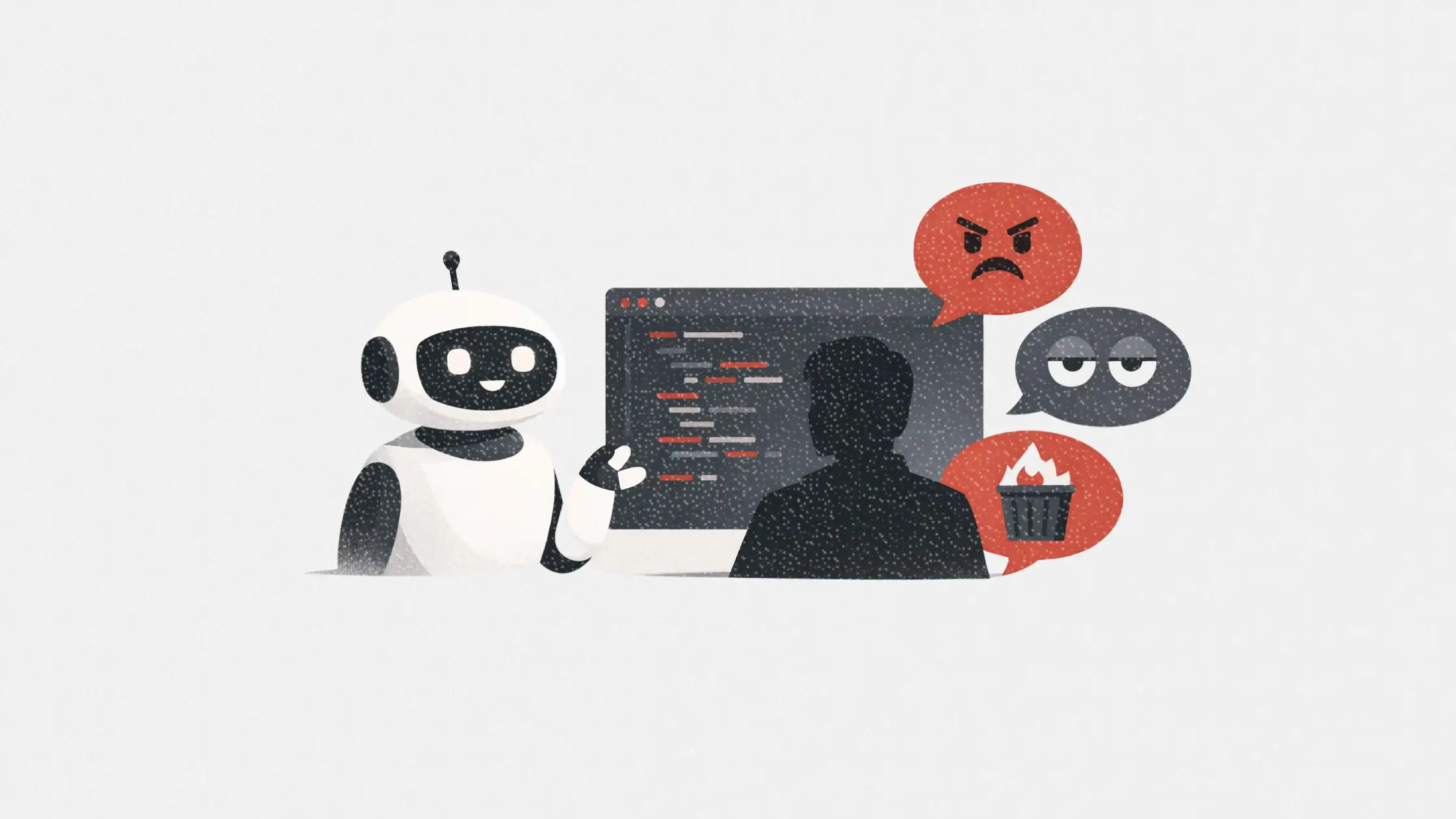
Sam Altman’s recent post thanking developers for writing “extremely complex software character-by-character” was meant to be reflective. Instead, it triggered a wave of memes, criticism, and uncomfortable questions about AI’s impact on jobs.
I have so much gratitude to people who wrote extremely complex software character-by-character. It already feels difficult to remember how much effort it really took.
Thank you for getting us to this point.
— Sam Altman (@sama) March 17, 2026
This article explores why the reaction matters beyond developer culture and what it signals for marketers navigating AI adoption, brand messaging, and audience trust in an increasingly automated world.
Short on time?
Here’s a table of contents for quick access:
- What happened with Sam Altman’s post and the backlash
- Why the reaction reflects a deeper AI narrative problem
- What marketers should know about AI messaging and audience sentiment
- How brands can avoid sounding out of touch in the AI era
 Patrecia Meliana
What happened with Sam Altman’s post and the backlash
OpenAI CEO Sam Altman posted a message on X expressing gratitude to developers who built complex software manually. He noted how difficult it already feels to remember the effort involved and thanked them for getting the industry to its current point.
On the surface, it reads like a standard industry acknowledgment. But timing changed the interpretation.
The post landed amid widespread layoffs across tech companies including Amazon, Atlassian, Pinterest and Meta, many tied to efficiency gains and restructuring around AI. That context turned a thank-you into what some interpreted as a eulogy.
 Patrecia Meliana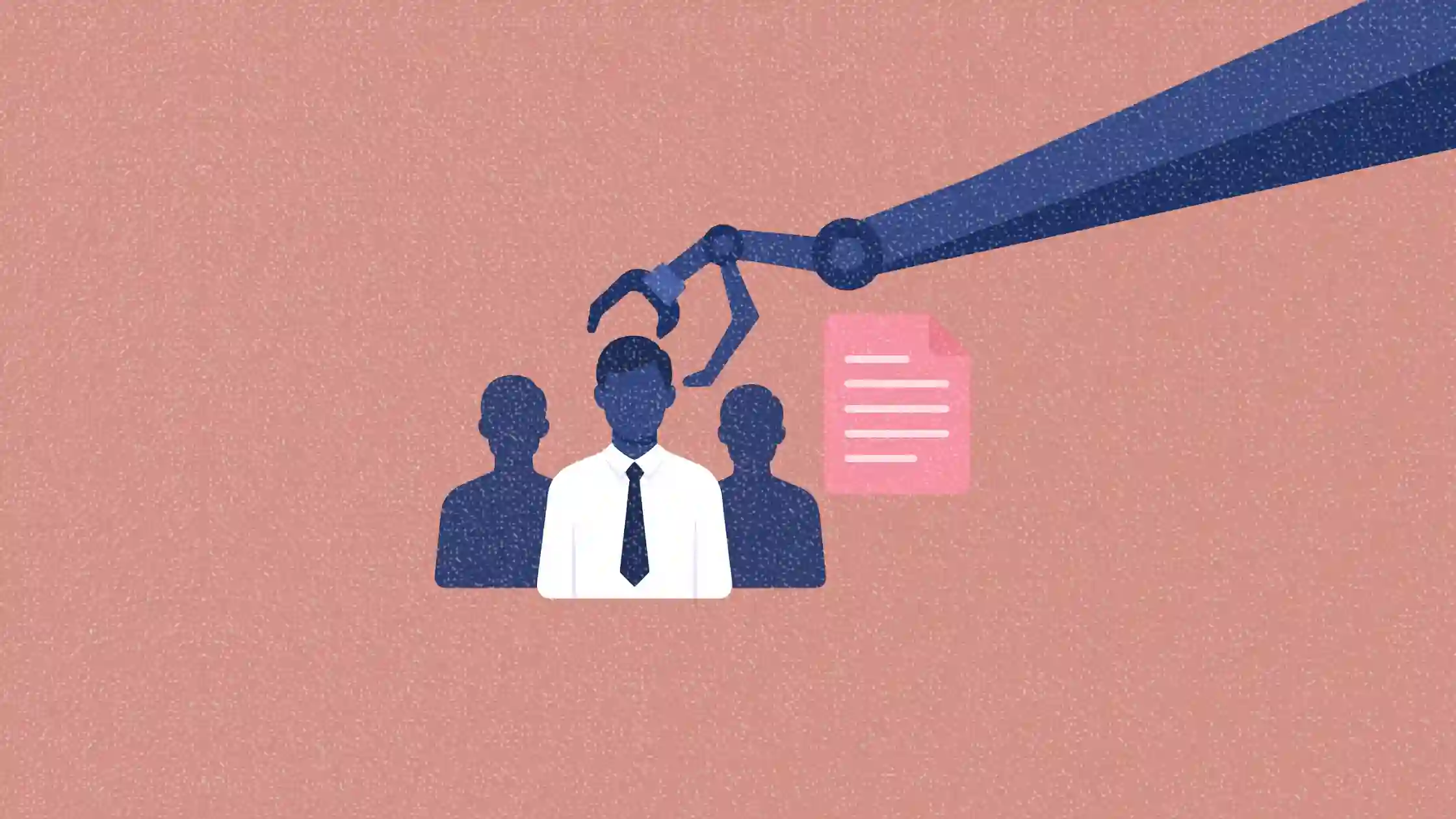
The responses reflected that tension. Some developers pushed back directly, pointing out that AI systems were trained on their work while now contributing to job displacement. Others responded with humor, framing the post as tone-deaf or detached from reality.
Memes quickly took over the conversation, reframing the message as symbolic of a broader disconnect between AI leadership and the workforce.
— orvelis (@orvelis_io) March 17, 2026
Why the reaction reflects a deeper AI narrative problem
This isn’t just about one post. It highlights a growing narrative gap in how AI is communicated versus how it is experienced.
From an industry standpoint, AI is positioned as progress. It promises efficiency, scalability, and new creative possibilities. But for many professionals, especially junior developers and entry-level roles, it represents uncertainty and shrinking opportunities.
 Patrecia Meliana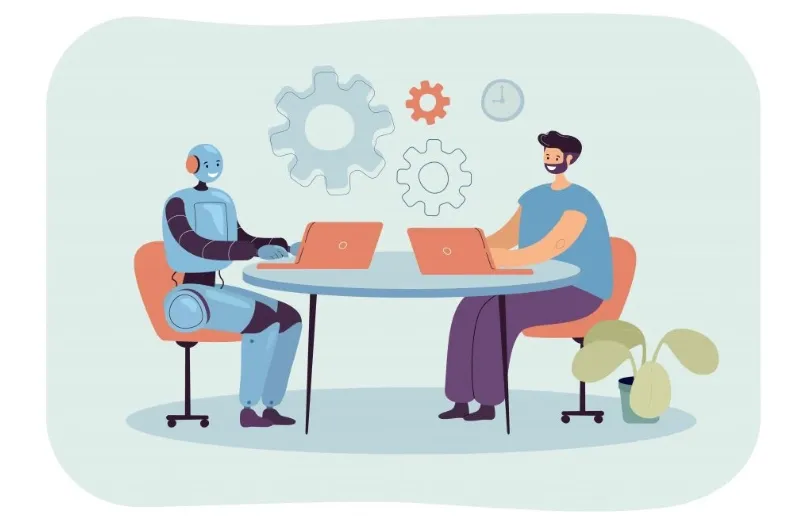
That tension creates three key perception risks:
- Attribution imbalance: AI companies benefit from data and work created by humans, but recognition often feels symbolic rather than economic
- Job displacement anxiety: Messaging around “efficiency” is increasingly interpreted as workforce reduction
- Tone sensitivity: Even neutral or positive statements can feel dismissive when they ignore real-world impact
For marketers, this is familiar territory. It is the same dynamic seen in automation, outsourcing, and platform shifts. The difference is speed and scale.
AI is compressing that cycle dramatically.
Patrecia Meliana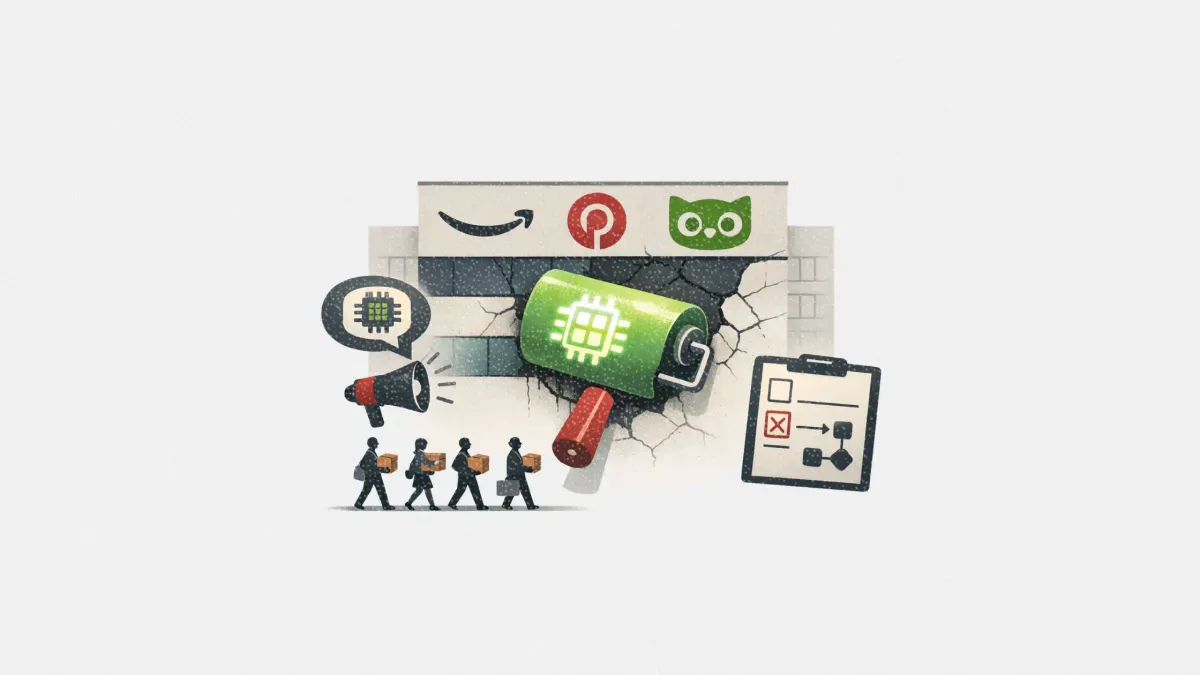
What marketers should know about AI messaging and audience sentiment
For B2B marketers and PR teams, this moment is a case study in how not to misread audience sentiment.
Here are the key takeaways:
1. Context shapes interpretation more than intent
Altman’s message was not inherently controversial. The backlash came from timing and industry context. Marketers should assume every AI-related message will be filtered through job impact and ethical concerns.
2. Audiences are more skeptical of AI narratives
There is a growing fatigue around optimistic AI messaging that ignores trade-offs. Marketers need to balance innovation stories with realism.
3. Humor is becoming a pressure valve
The meme response is not trivial. It is how audiences process discomfort. Brands that ignore this layer risk missing how sentiment actually spreads.
4. Technical audiences are not passive
Developers, creators, and knowledge workers are increasingly vocal about how AI affects them. Messaging that feels top-down or dismissive will be challenged publicly.
How brands can avoid sounding out of touch in the AI era
This is where marketers can turn insight into action.
- Acknowledge trade-offs openly
Do not frame AI purely as progress. Address both efficiency gains and human impact. Transparency builds credibility.
- Shift from replacement to augmentation narratives
Position AI as a tool that enhances human capability, not eliminates it. This is not just semantics. It shapes how audiences interpret your brand.
- Test messaging before publishing
The joke about “AI that reviews billionaire tweets before posting” exists for a reason. Internal review loops should include diverse perspectives, especially from those affected by AI shifts.
- Use real use cases, not abstract promises
Ground AI messaging in practical outcomes. Show how it helps teams, not just how it scales operations.
- Monitor sentiment in real time
Social reactions, especially humor and memes, are early indicators of perception risk. Treat them as signal, not noise.
Sam Altman’s post did not create the tension. It revealed it.
For marketers, the lesson is clear. AI is no longer just a product story. It is a cultural and economic narrative that audiences are actively shaping in real time. Brands that recognize this shift and adapt their messaging accordingly will build trust. Those that rely on outdated, one-sided narratives risk becoming the next meme.