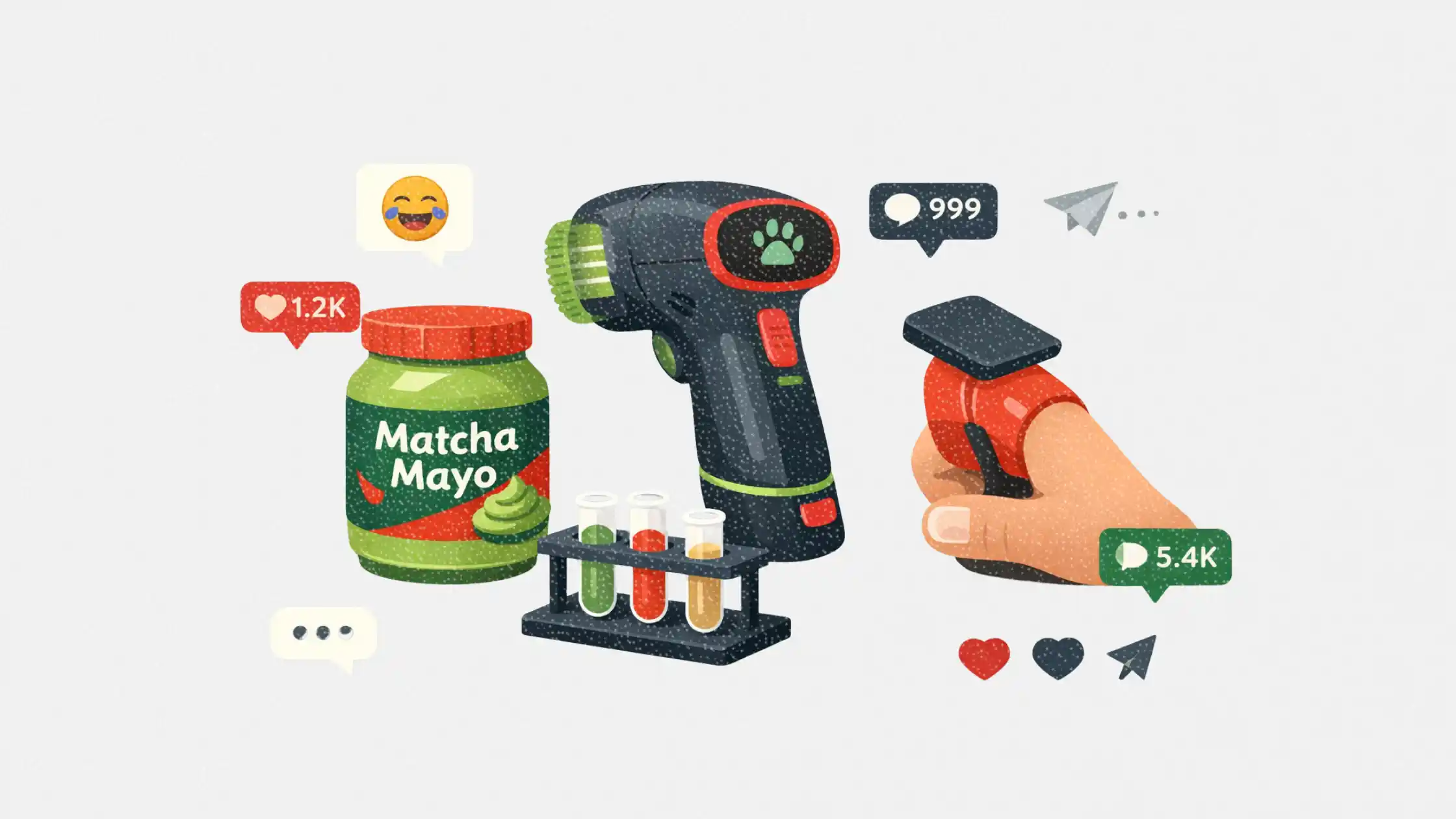
April Fool’s Day has always been marketing’s unofficial playground. But in 2026, brands didn’t just chase laughs. They engineered campaigns that felt believable enough to trigger curiosity, clicks, and in some cases, real purchase intent.
From fake product drops to self-aware platform jokes, the real takeaway isn’t just creativity. It’s how brands are using humor as a low-risk testing ground for ideas that might actually work.
This article explores the most notable April Fool’s Day brand stunts this year and what they reveal about modern marketing strategy, audience psychology, and platform-native storytelling.
Short on time?
Here’s a table of contents for quick access:
- What happened: the April Fool’s Day campaigns that got people talking
- Dyson Beauty pet range
- IKEA ALLËNKI wearable tool
- Cup Noodles heatless curls kit
- Yahoo Scrōll Stoppr
- Snapchat “Reals” rename
- Heinz matcha mayo
- Jetstar’s fixed 75-degree seats
- Ryanair’s “professional tone” switch
- Pepsodent sambal toothpaste
- Doritos 6-in-1 bodywash
- Liquid Death’s “house giveaway”
- KFC Singapore’s “April” giveaway
- McDonald’s Singapore Grimace protein shake
- Garrett Popcorn micro bag
- Why these pranks worked: the strategy behind the absurd
 Patrecia Meliana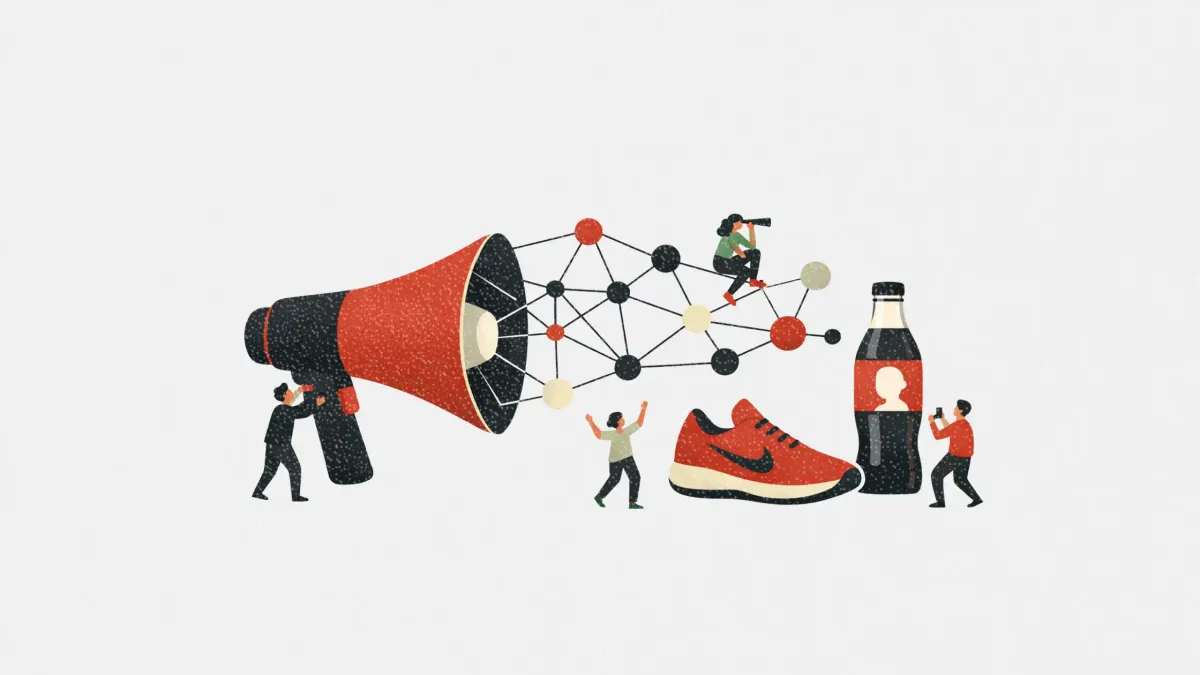
What happened: the April Fool’s Day campaigns that got people talking
This year’s April Fool’s Day campaigns leaned heavily into product parody, platform satire, and cultural inside jokes.
Here are some highlights:
1. Dyson Beauty pet range
Dyson imagined extending its premium hair tech to pets, with tools like the Airwrap Fur and Airstrait Mane+Tail. The execution was polished enough to feel like a real product launch.
2. IKEA ALLËNKI wearable tool
IKEA Singapore turned its iconic Allen key into a fashion accessory, blending utility with streetwear aesthetics and tapping into creator culture. This builds on IKEA’s broader experimentation with cultural marketing, as seen in past viral moments.
@ikea_singapore The ALLËNKI. It’s hardware meets heirloom. You’d be a fool to throw this away… #allenkey #jewellery #fashion #ikeasingapore
 Patrecia Meliana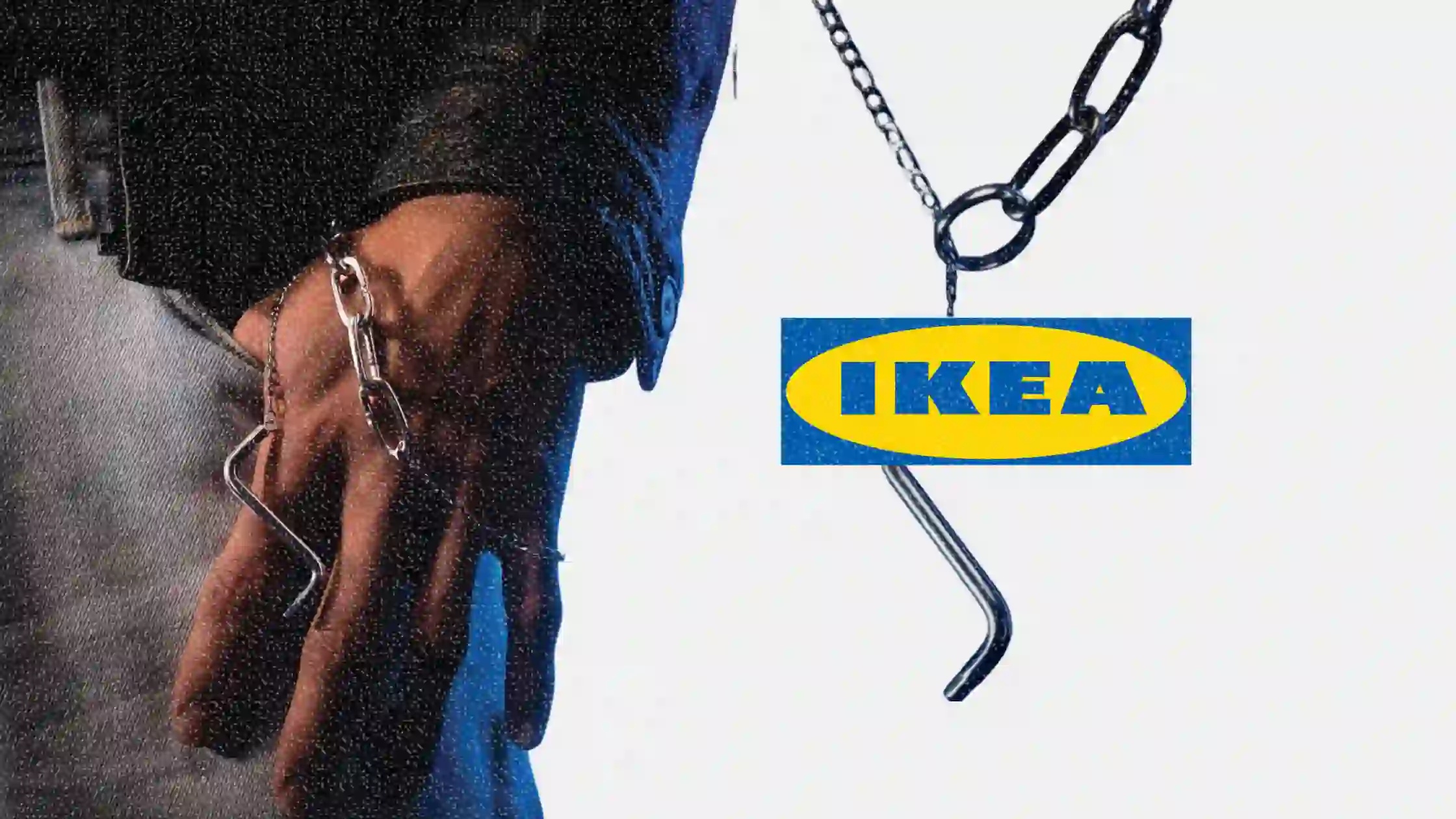
3. Cup Noodles heatless curls kit
A beauty parody that cleverly used the brand’s noodle texture as a visual hook, merging food and beauty trends into one absurd but scroll-stopping idea.
4. Yahoo Scrōll Stoppr
A tongue-in-cheek physical solution to doomscrolling, even listed on TikTok Shop for US$4.99, blurring the line between joke and actual product.
@yahoo We present to you, The Scrōll Stoppr. Available now in the TikTok Shop.
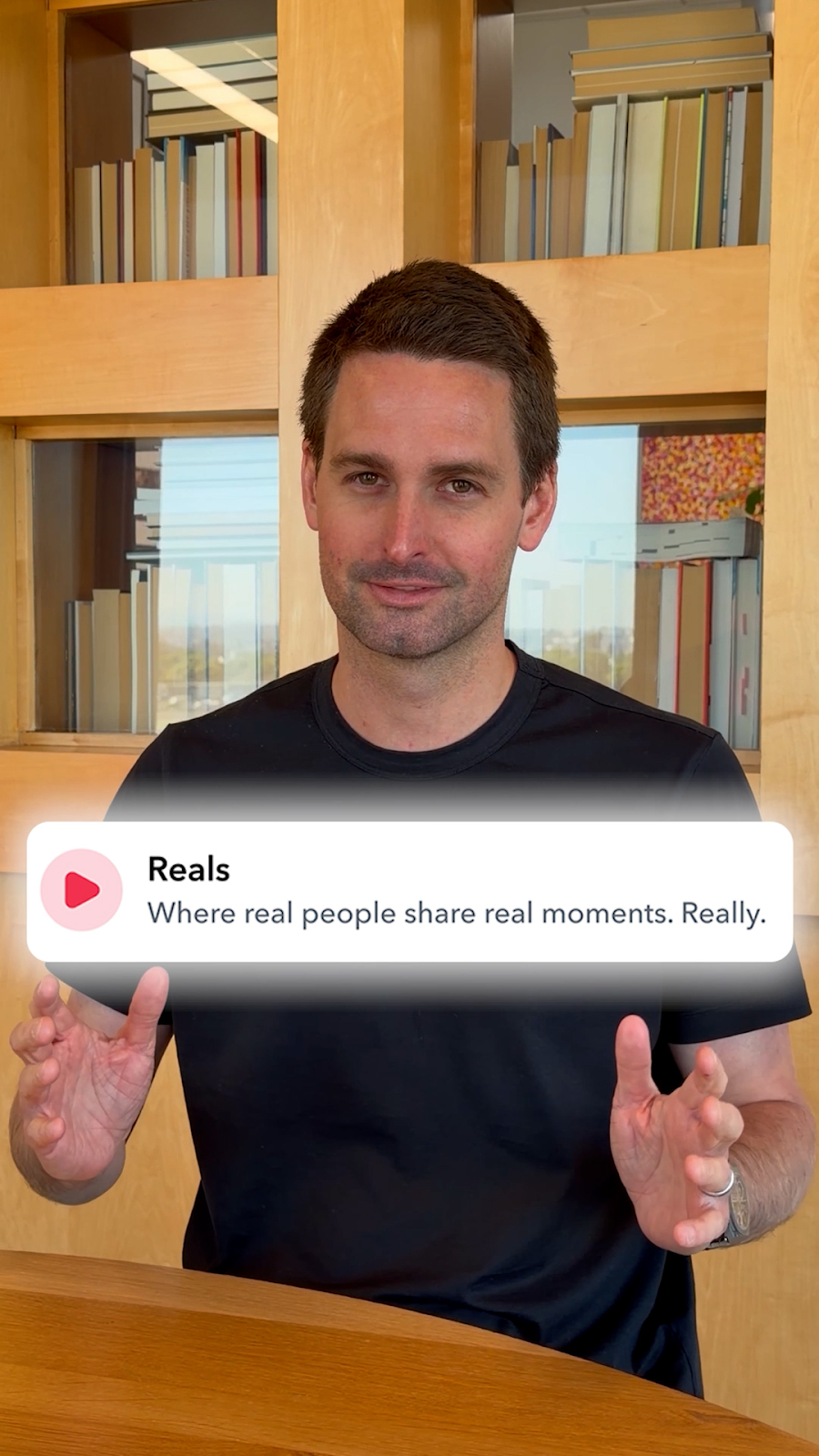
5. Snapchat “Reals” rename
A temporary rebrand poking fun at the industry’s obsession with “authentic” content. Lighthearted, but reflective of real platform positioning battles.
 Team Snapchat
6. Heinz’ matcha mayo
Another bold food mashup that plays into Asia’s matcha obsession while pushing flavor boundaries just far enough to feel plausible.
7. Jetstar’s fixed 75-degree seats
A satirical take on airline seat drama, turning a common pain point into a fictional “solution” with fee-based humor.
8. Ryanair’s “professional tone” switch
A sudden shift to polished, corporate communication. The joke lands because it directly contradicts the airline’s famously unfiltered voice.
@ryanair After some reflection, we’ve decided…
9. Pepsodent sambal toothpaste
A chili-infused toothpaste teasing a fiery brushing experience. Outlandish, but rooted in Southeast Asia’s deep love for sambal.
10. Doritos 6-in-1 bodywash
A multi-purpose bodywash designed to make users smell like Doritos. Bizarre, yet aligned with the brand’s long-standing obsession with flavor intensity.
11. Liquid Death’s “house giveaway”
A campaign offering a home with Liquid Death flowing from every tap. Outrageous, but structured like a legitimate promotion.
12. KFC Singapore’s “April” giveaway
One of the few campaigns that actually delivered, rewarding people named April with a free meal. A smart twist on expectation.
13. McDonald’s Singapore Grimace protein shake
A fitness-inspired twist on the viral Grimace trend. Playful, but strategically tied to gym culture and protein hype.
14. Garrett Popcorn micro bag
A single-kernel popcorn serving sold as the ultimate minimalist snack. Absurd, but cleverly tied to portion control and novelty consumption.
Across all of these, one thing stands out: the production quality was high enough to make people pause. That hesitation is where engagement happens.
Why these pranks worked: the strategy behind the absurd
At first glance, these campaigns look like throwaway jokes. But structurally, they mirror real product marketing.
Here’s what’s actually happening beneath the surface:
1. Fake products as demand testing
Many of these “jokes” double as concept validation.
- Would people buy matcha mayo?
- Is there interest in beauty-meets-food hacks?
- Could Dyson extend into pet grooming?
April Fool’s removes the risk. Brands get real audience reactions without committing to production.
2. Platform-native storytelling
These campaigns are built for TikTok, Instagram, and short-form feeds.
They rely on:
- Instant visual recognition
- A single-scroll hook
- Comment-driven engagement (“I’d actually buy this”)
This aligns with how modern campaigns spread. The best ones don’t just broadcast. They invite reaction.
3. Cultural fluency over originality
Most ideas weren’t entirely new. They were remixes of existing trends:
- Food mashups
- Beauty hacks
- Wellness satire
- Anti-doomscrolling narratives
This reflects a broader shift in marketing. As seen in campaigns leveraging nostalgia or cultural signals, relevance often beats originality.
4. Humor as brand positioning
Each prank reinforced brand identity:
- Ryanair leaned into irreverent tone
- Liquid Death doubled down on absurdity
- IKEA stayed design-led and culturally aware
The joke isn’t random. It’s on-brand storytelling in disguise.
 Patrecia Meliana
April Fool’s Day 2026 showed that the line between joke and product is getting thinner. The most effective campaigns didn’t just entertain. They sparked curiosity, tested ideas, and reinforced brand identity in a format audiences actually enjoy.
For marketers, the takeaway is simple: humor isn’t fluff. It’s a strategic tool. Used well, it can validate ideas, drive engagement, and even shape future product direction.


Leave a Reply