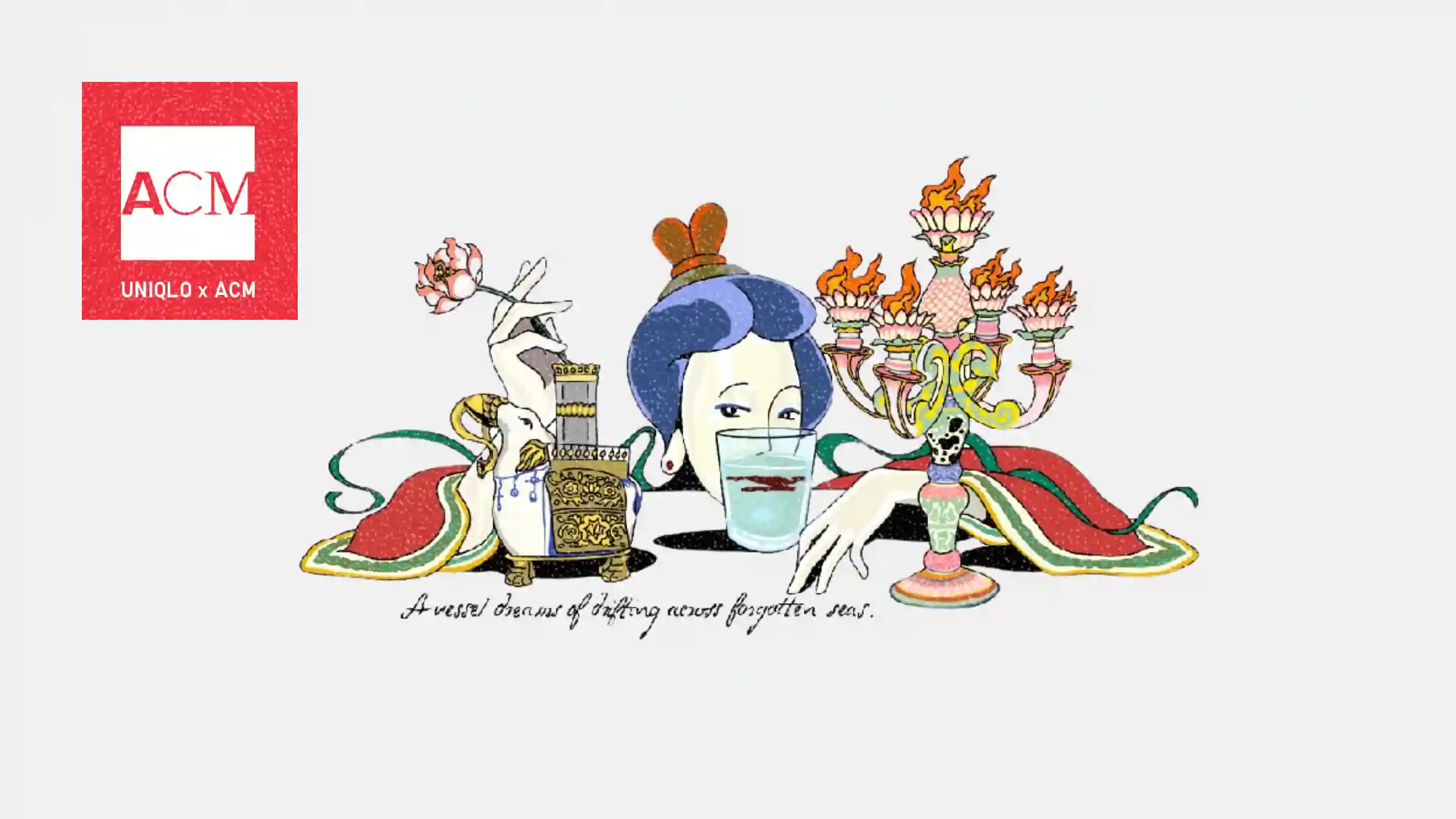
UNIQLO is taking its LifeWear philosophy into a new environment, moving beyond stores and digital campaigns into cultural institutions. Its latest collaboration with the Asian Civilisations Museum (ACM) in Singapore signals a growing shift toward experiential, context-driven marketing that blends commerce with culture.
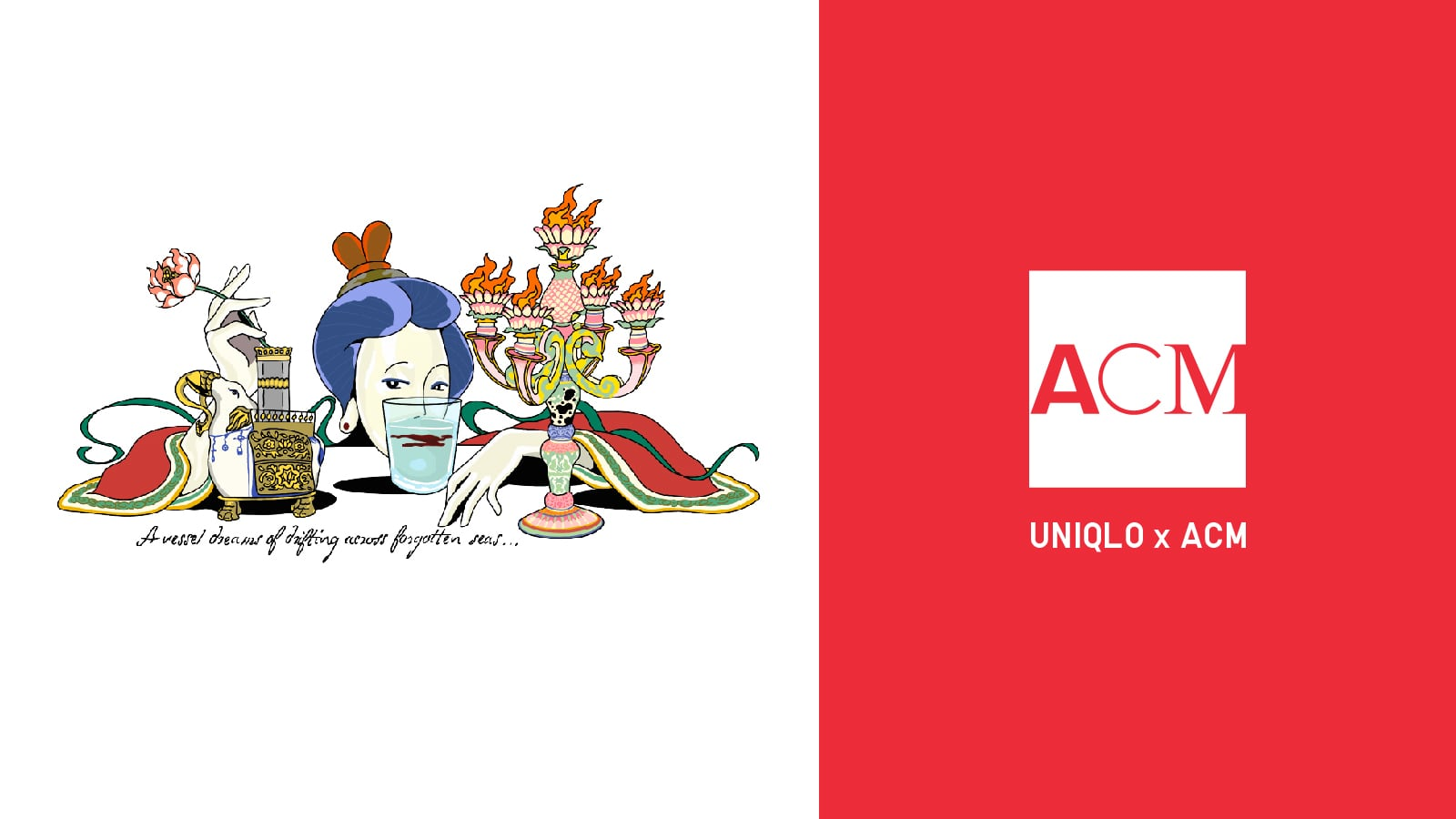
This article explores how UNIQLO’s museum pop-up strategy works, what it says about evolving retail engagement, and what B2B marketers can learn from this crossover between art, fashion, and community-driven experiences.
Short on time?
Here’s a table of contents for quick access:
- How UNIQLO is turning a museum into a retail touchpoint
- Why experiential retail is becoming a strategic priority
- How art, culture, and commerce are converging in brand strategy
- What marketers should learn from UNIQLO’s approach
 Patrecia Meliana
How UNIQLO is turning a museum into a retail touchpoint
UNIQLO Singapore is partnering with the Asian Civilisations Museum to launch its first museum pop-up, running for nearly two months at the ACM lobby.
The activation features a curated selection of UT graphic T-shirts alongside a new UNIQLO x ACM UTme! collection. The collection reinterprets museum artefacts such as a candelabra, a pitcher shaped like a dancing woman, and a palampore through contemporary designs created by local artists including Knuckles & Notch, Gabriel De Souza, SONG, HAFI, and Nikkei.
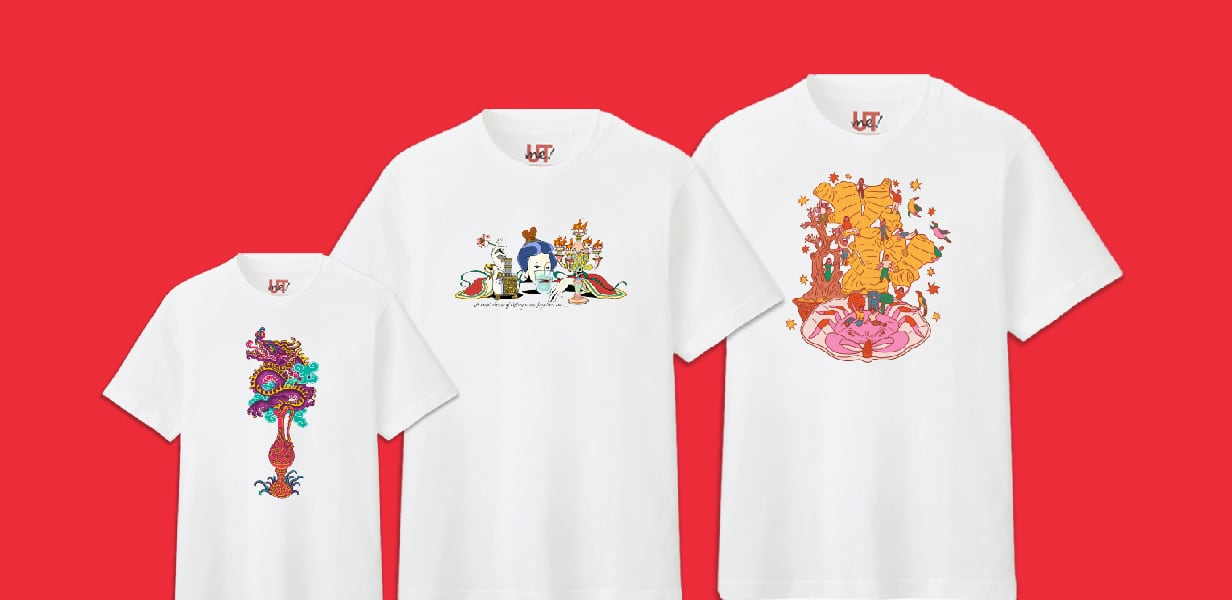
Visitors can preview designs at the museum before heading to UNIQLO stores to customise and purchase them. The pop-up also showcases global UT collaborations featuring artists like Andy Warhol, Keith Haring, and Jean-Michel Basquiat, alongside other themed collections.
To drive engagement, UNIQLO is layering in app-based incentives and retail tie-ins. Visitors who download the app and share on social media can redeem a SG$6 voucher, while purchases of the ACM collaboration unlock museum access perks.
Patrecia Meliana
Why experiential retail is becoming a strategic priority
This move builds on UNIQLO’s broader push into experiential marketing in Singapore. Earlier in 2026, the brand transformed Tanjong Beach Club into immersive themed environments for its Spring/Summer launch.
The strategy reflects a clear shift. Traditional store-led launches and influencer-heavy campaigns are losing impact as audiences become more selective about what they engage with. Instead, brands are investing in environments that create memorable, shareable moments.
For UNIQLO, the museum setting adds a layer of meaning. It positions the brand not just as a retailer, but as a cultural participant that connects everyday clothing with heritage and artistic expression.
This is less about footfall alone and more about building brand affinity through context. The museum becomes both a storytelling platform and a distribution funnel.
Patrecia Meliana
How art, culture, and commerce are converging in brand strategy
The collaboration taps into ACM’s focus on cross-cultural exchange, aligning with Singapore’s identity as a global port city shaped by trade and diversity.
By translating museum artefacts into wearable designs, UNIQLO is effectively turning cultural assets into consumer products. This creates a new layer of accessibility. Art is no longer confined to exhibition spaces but integrated into daily life through fashion.
This approach also strengthens local relevance. Featuring Singapore-based artists adds authenticity and signals investment in the local creative ecosystem, rather than relying solely on global collaborations.
For institutions like ACM, the partnership extends reach beyond traditional museum audiences. It introduces cultural content to younger, retail-oriented consumers who may not otherwise engage with exhibitions.
Patrecia Meliana
What marketers should learn from UNIQLO’s approach
UNIQLO’s activation offers several practical takeaways for marketers:
1. Context amplifies value
The same product placed in a museum carries a different narrative weight than in a store. The environment shapes perception.
2. Experiences drive organic reach
Interactive elements like workshops, live music, and social incentives encourage user-generated content without relying heavily on paid media.
3. Offline and digital must work together
The app download mechanic bridges physical experience with digital engagement, creating measurable touchpoints.
4. Localisation builds credibility
Collaborating with local artists and cultural institutions makes global brands feel more relevant and embedded in the market.
5. Utility still matters
Despite the creative framing, the end product remains simple, functional clothing. The experience enhances, rather than replaces, the core offering.
UNIQLO’s museum pop-up is a clear signal that experiential retail is evolving beyond spectacle. It is becoming more intentional, more contextual, and more integrated with cultural narratives.
For marketers, the takeaway is straightforward. The next wave of brand engagement will not just happen in feeds or storefronts. It will happen in environments where meaning, community, and commerce intersect. The challenge is designing experiences that feel authentic while still driving measurable business outcomes.