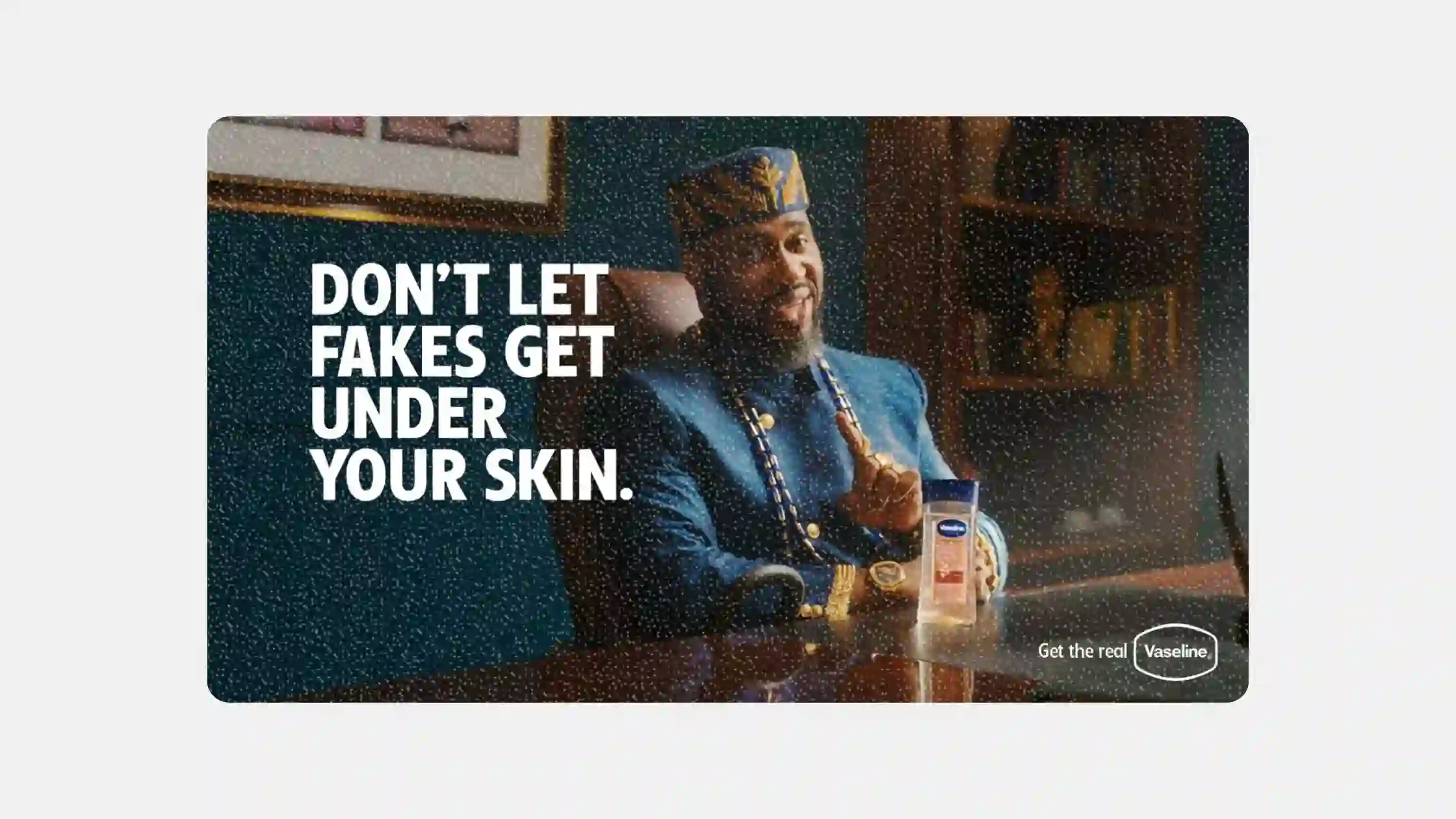
Vaseline is tackling a very real business problem in an unexpected way. In Nigeria, where counterfeit skincare products are widespread and potentially harmful, the Unilever-owned brand is rolling out a WhatsApp-based authentication tool backed by a surprising campaign face: a real Nigerian prince.
This article explores how Vaseline is blending cultural insight, conversational commerce, and anti-counterfeit tech to rebuild consumer trust at scale and what this means for marketers navigating similar challenges in emerging markets.
Short on time?
Here’s a table of contents for quick access:
- Why Vaseline is fighting counterfeits with a WhatsApp tool
- How the “real Nigerian prince” campaign reframes trust
- What this means for brand safety and consumer trust in emerging markets
- What marketers should know
 Patrecia Meliana
Why Vaseline is fighting counterfeits with a WhatsApp tool
Vaseline has launched a campaign in Nigeria centered around a practical problem: counterfeit skincare products. These fake goods often contain unregulated ingredients, creating both brand risk and consumer safety concerns.
To address this, the brand introduced the “Vaseline authenticator”, a free tool hosted on WhatsApp. Consumers can scan a QR code or click a link from campaign touchpoints such as OOH ads or retail displays. From there, they interact with a chatbot framed as the “Prince’s assistant”.
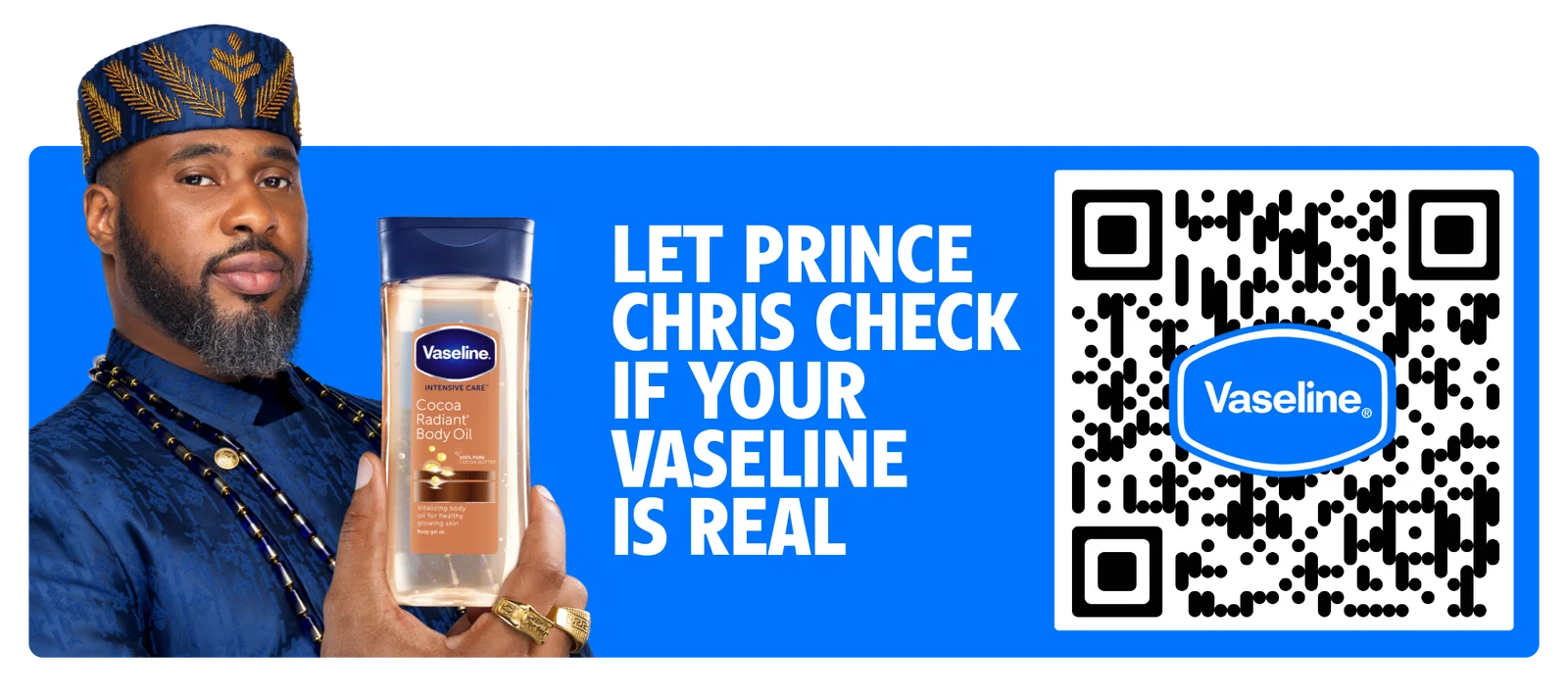
The process is simple:
- Users upload photos of the front and back of their Vaseline body oil
- The system analyzes the images
- It returns an instant verdict on whether the product is genuine or fake
The tool is initially focused on Vaseline body oils, which are reportedly the most vulnerable to counterfeiting in Nigeria’s skincare market.
From a product standpoint, this is not just a campaign mechanic. It is a direct-to-consumer verification layer embedded into a platform Nigerians already use daily. That choice removes friction and increases the likelihood of adoption at scale.
Patrecia Meliana
How the “real Nigerian prince” campaign reframes trust
To launch the tool, Vaseline partnered with Prince Chris Okagbue of the Onitsha Kingdom, flipping the long-running “Nigerian prince” scam stereotype into a credibility asset.
In the campaign’s hero film, Okagbue acknowledges the global trope before positioning himself as “the real thing”. He demonstrates how convincing counterfeit products can be, even discarding a seemingly legitimate bottle after revealing it is fake.
The campaign line, “Don’t let fakes get under your skin”, ties together product safety and brand messaging.
This is where the creative strategy stands out:
- It leverages a globally recognized meme
- It reframes skepticism into trust
- It connects cultural context with a real product issue
Instead of avoiding the stereotype, Vaseline uses it as an entry point to drive attention and memorability. That is a calculated risk that pays off by making the message both entertaining and educational.
Patrecia Meliana
What this means for brand safety and consumer trust in emerging markets
Counterfeiting is not a new issue, but this campaign highlights how brands are shifting their approach from enforcement to empowerment.
Unilever already works with local authorities to combat fake goods. However, those efforts often operate behind the scenes and may not reach consumers at the moment of purchase.
The WhatsApp authenticator changes that dynamic:
- It puts verification in the hands of consumers
- It works at point of purchase and post-purchase
- It builds trust through transparency and immediacy
The media rollout reinforces this strategy. QR-led OOH placements in areas like Lekki and Surulere, along with retail integrations across chains such as Market Square, SPAR, Justrite, and H-Medix, ensure the tool is visible where decisions happen.
For marketers, this signals a broader shift. Brand safety is no longer just about supply chains or legal enforcement. It is about creating accessible, real-time tools that help consumers make informed decisions.
What marketers should know
This campaign offers several practical takeaways for B2B marketers and brand leaders:
1. Meet users where they already are
WhatsApp is not just a messaging app in markets like Nigeria. It is an infrastructure layer for commerce and communication. Building on top of it reduces friction and accelerates adoption.
2. Turn trust into a product feature
Instead of treating authenticity as a backend process, Vaseline productized it. The verification tool becomes part of the customer experience, not just a compliance measure.
3. Use cultural context as a strategic lever
The “Nigerian prince” angle works because it taps into a globally understood narrative. Smart marketers can reframe cultural tropes to create relevance and recall.
4. Combine creativity with utility
The campaign does not rely on storytelling alone. It pairs a strong creative idea with a functional tool that solves a real problem. That combination is what drives impact.
5. Think beyond awareness to action
QR codes, retail touchpoints, and instant verification turn passive awareness into active engagement. This is a model for campaigns that aim to change behavior, not just perception.
Vaseline’s campaign shows how brands can move beyond traditional anti-counterfeit strategies by combining technology, cultural insight, and platform-native experiences. By embedding verification into WhatsApp and reframing a global stereotype, the brand is not just raising awareness. It is rebuilding trust in a tangible, user-driven way.
For marketers, the message is clear. In markets where trust is fragile, the brands that win will be the ones that make authenticity easy, visible, and actionable.