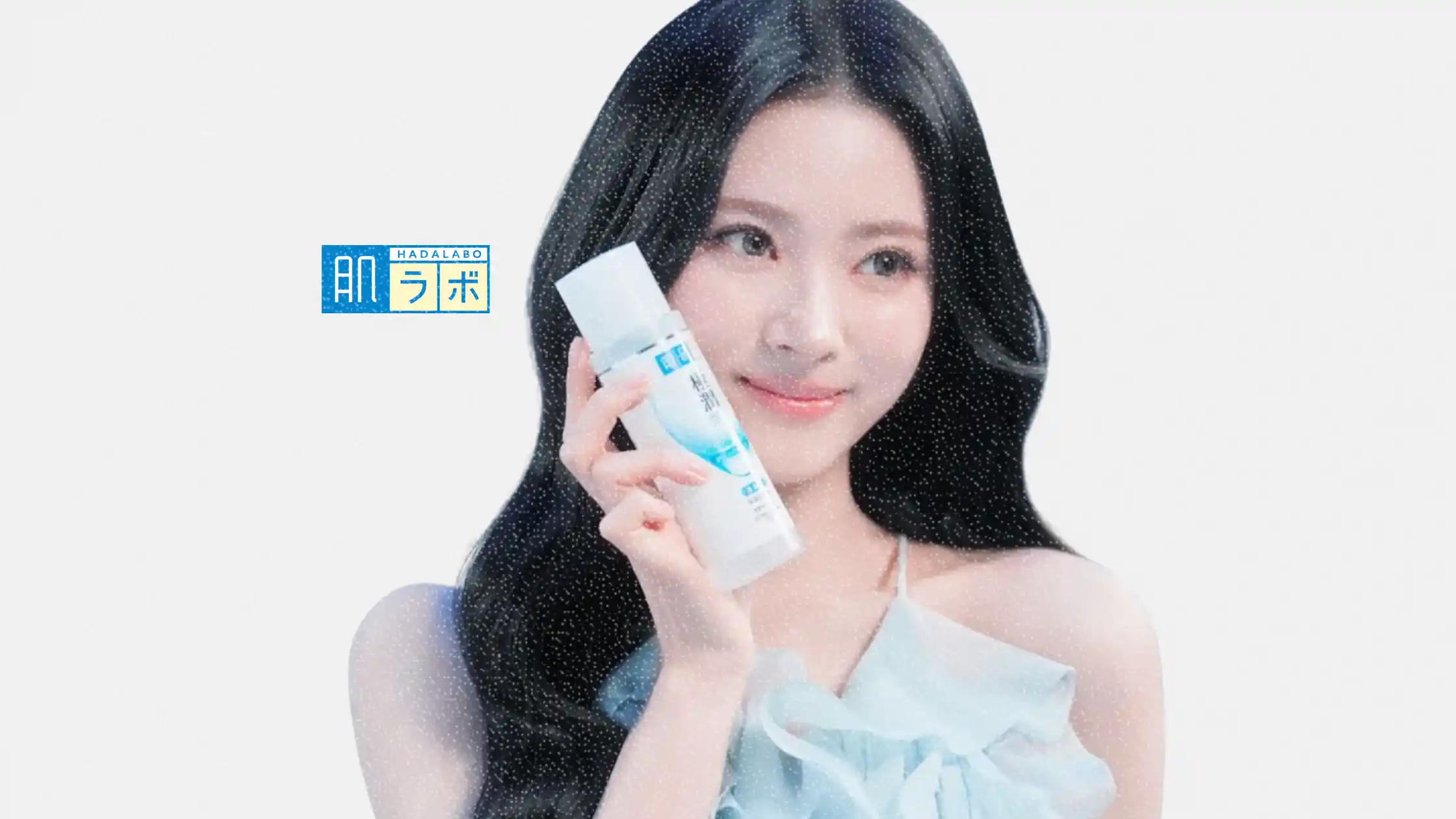
Japanese skincare brand Hada Labo is leaning into Gen Z influence and visual storytelling with its latest ambassador move. The brand has named ANNA Tanaka of rising girl group MEOVV as its new face across the Asia-Pacific region, backed by a campaign built for digital-first audiences.
This article explores how Hada Labo is blending idol culture, aesthetic storytelling, and product positioning to reinforce its “just right” skincare philosophy and what this signals for marketers navigating beauty branding in a Gen Z-dominated landscape.
Short on time?
Here’s a table of contents for quick access:
- Why Hada Labo chose ANNA and what the campaign includes
- How the “just right” positioning translates into brand storytelling
- What marketers should know about Gen Z beauty campaigns in APAC
- Why idol-driven branding still works in modern skincare marketing
 Patrecia Meliana
Why Hada Labo chose ANNA and what the campaign includes
Hada Labo has appointed ANNA Tanaka, the Japanese member of Gen Z girl group MEOVV, as its new APAC ambassador. The move comes with a full-scale campaign rollout, including teaser content, a music-video-style commercial, and behind-the-scenes footage.
At the center of the campaign is a stylized video concept titled “24 hours, eight times speed.” It follows ANNA through multiple transformations, from a youthful student look to increasingly glamorous outfits, while maintaining consistent, hydrated, luminous skin throughout.
The campaign also introduces a cat character, aligning with MEOVV’s cat-inspired group identity. This visual pairing creates a cohesive brand narrative that merges idol imagery with Hada Labo’s minimalist skincare philosophy.
ANNA herself described the partnership as her first skincare endorsement and emphasized her personal trust in the brand, adding a layer of authenticity often critical in beauty marketing.
Patrecia Meliana
How the “just right” positioning translates into brand storytelling
Hada Labo’s long-standing “just right” philosophy is simple on paper: deliver exactly what the skin needs without excess. In this campaign, that idea is translated into human traits through ANNA’s persona.
The brand frames her as balanced and understated yet radiant, natural yet captivating. This mirrors the product promise of effectiveness without overcomplication, a positioning that continues to resonate in crowded skincare markets.
Instead of focusing on product features or technical claims, the campaign leans into emotional storytelling. ANNA’s calm confidence, paired with consistent skin quality across changing scenes, becomes a visual metaphor for reliable skincare performance.
The use of transformations without visible skin inconsistency subtly reinforces product credibility without overt claims. It is branding through continuity rather than demonstration.
Patrecia Meliana
What marketers should know about Gen Z beauty campaigns in APAC
For marketers, this campaign highlights several strategic patterns shaping beauty marketing in the region:
1. Narrative over product-first messaging
The campaign prioritizes story, mood, and identity over ingredient breakdowns or clinical proof points.
2. Idol integration as a distribution strategy
Casting a Gen Z idol extends reach beyond traditional beauty audiences into fandom-driven ecosystems.
Patrecia Meliana
3. Visual consistency as proof of efficacy
Showing the same “result” across multiple contexts can be more persuasive than before-and-after formats.
4. Hybrid content formats
Music-video-style ads blur the line between entertainment and advertising, increasing shareability and watch time.
5. Character-led branding elements
The cat character adds memorability and ties into existing fan culture, strengthening recall.
Patrecia Meliana
Why idol-driven branding still works in modern skincare marketing
Despite the rise of influencer marketing and creator-led brands, idol ambassadors remain highly effective in APAC, especially in beauty.
The key difference today is execution. Instead of static endorsements, brands are building immersive narratives around these personalities. ANNA’s campaign is less about her endorsement and more about her embodiment of the brand’s philosophy.
This approach taps into three core advantages:
- Built-in audience trust and attention – Fans bring immediate reach and engagement.
- Cross-platform storytelling potential – Campaign assets can be repurposed across social, video, and fan communities.
- Emotional association at scale – Idol branding connects product benefits with identity, not just function.
For Hada Labo, this signals a shift from purely functional skincare messaging toward lifestyle-driven positioning, without abandoning its core simplicity.
Patrecia Meliana
By combining Gen Z idol appeal, cinematic storytelling, and a clear brand philosophy, the campaign positions “healthy, confident skin” as both a product outcome and a personal identity.
For marketers, the takeaway is clear. In saturated categories, differentiation increasingly comes from how you tell the story, not just what you’re selling.