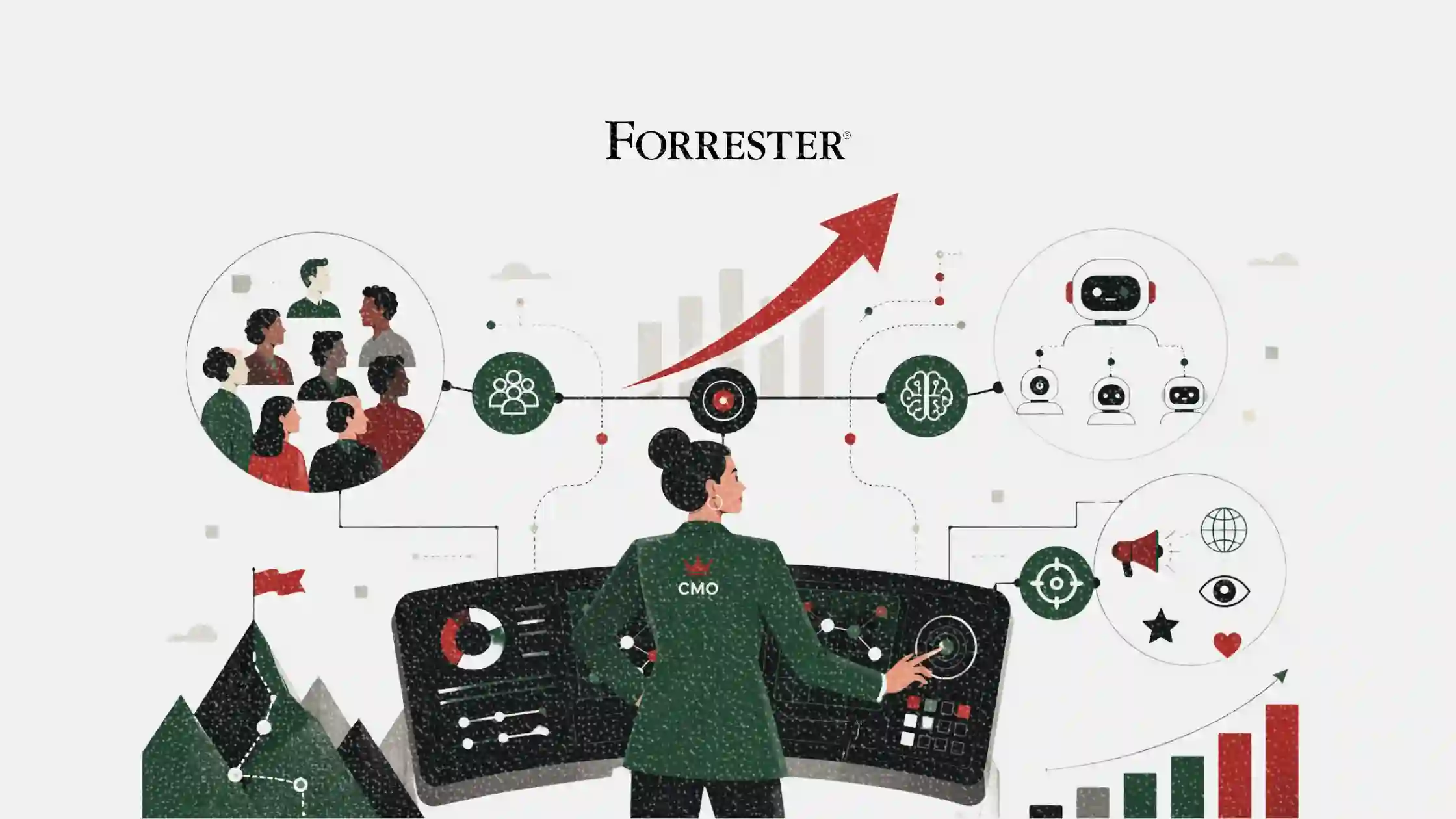
Artificial intelligence is not replacing the Chief Marketing Officer. It is raising the stakes of the role.
That is the core takeaway from Forrester’s latest report, “The AI CMO,” which reframes how marketing leadership is evolving in an AI-driven environment. Instead of focusing on campaign execution and performance metrics, CMOs are being pulled deeper into enterprise-level growth accountability.
This article explores what that shift actually means, how AI is restructuring marketing operations, and why CMOs now need to think beyond human audiences to include machines in their strategy.
Short on time?
Here’s a table of contents for quick access:
- Why AI is redefining the CMO’s role around growth
- How AI agents are reshaping discovery and brand visibility
- Why marketing operations are shifting from people to systems
- What marketers should know about managing AI-driven growth
 Patrecia Meliana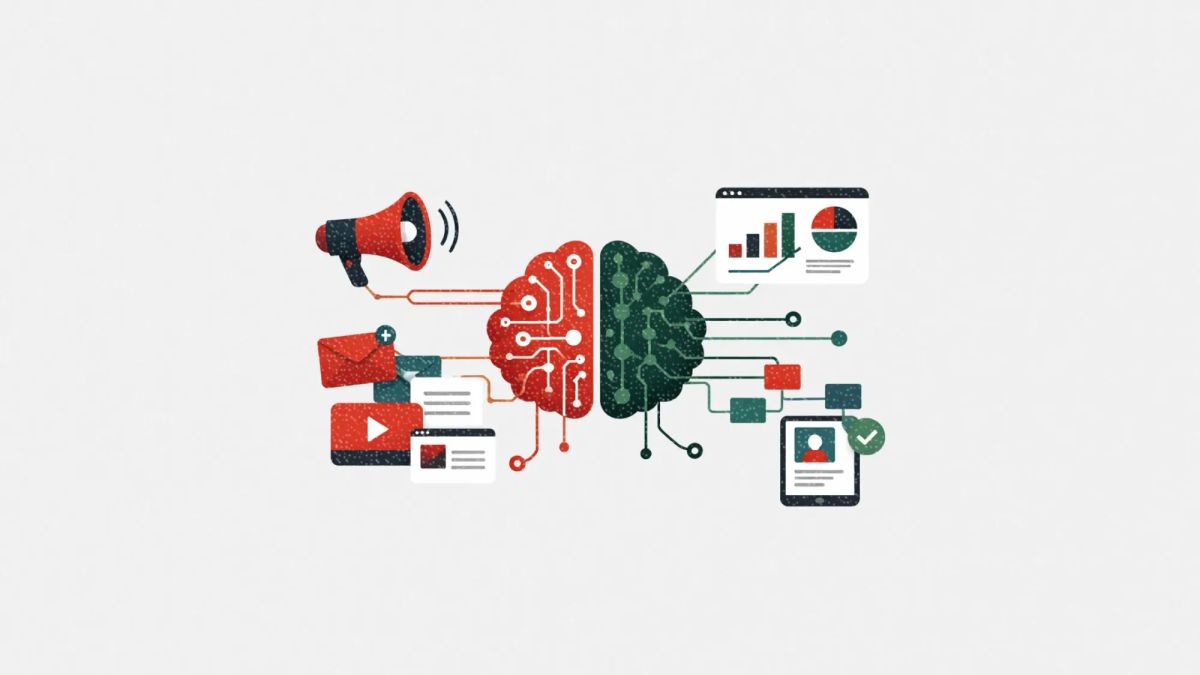
Why AI is redefining the CMO’s role around growth
Forrester’s report makes one thing clear: AI is not changing what CMOs are accountable for. Growth remains the core mandate.
What is changing is how that accountability is delivered, measured, and judged.
Instead of managing campaigns and tracking performance metrics, CMOs are being repositioned as growth orchestrators. Their role is shifting upward toward enterprise-level decisions such as:
- Where to invest versus automate
- How to balance human judgment with machine execution
- How to align marketing with broader business outcomes
This shift removes operational buffers. AI compresses workflows, increases transparency, and ties marketing activity more directly to revenue impact. The result is what Forrester calls “purer accountability,” where outcomes matter more than process.
In practical terms, CMOs are moving from running marketing to designing the conditions under which growth happens.
Patrecia Meliana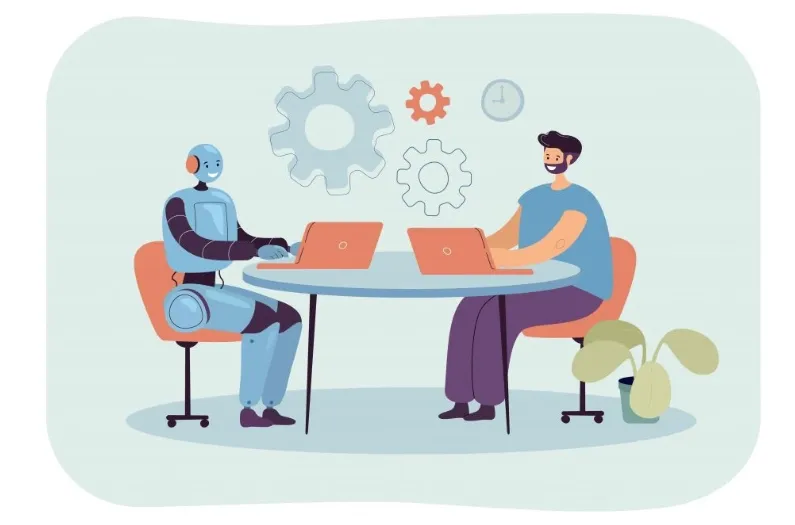
How AI agents are reshaping discovery and brand visibility
One of the most immediate disruptions comes from AI-powered answer engines like ChatGPT, Claude, Perplexity, and Google Gemini.
These platforms are changing how people discover products and make decisions. Instead of browsing multiple links, users increasingly rely on synthesized answers.
This creates two major shifts:
First, visibility is shrinking. Zero-click experiences reduce the number of opportunities for brands to be seen directly.
Second, influence is moving upstream. Brands must now optimize for how AI systems interpret, rank, and recommend them.
Forrester highlights that:
- Around half of US online adults have used AI agents for answers
- 94% of B2B buyers rely on generative AI across the purchase journey
- 43% of consumers expect brands to market directly to their AI assistants
This introduces a new stakeholder in marketing: the machine.
Marketing is no longer just about influencing human perception. It now includes shaping how algorithms understand and represent your brand. This is the foundation of what Forrester describes as agentic marketing.
Patrecia Meliana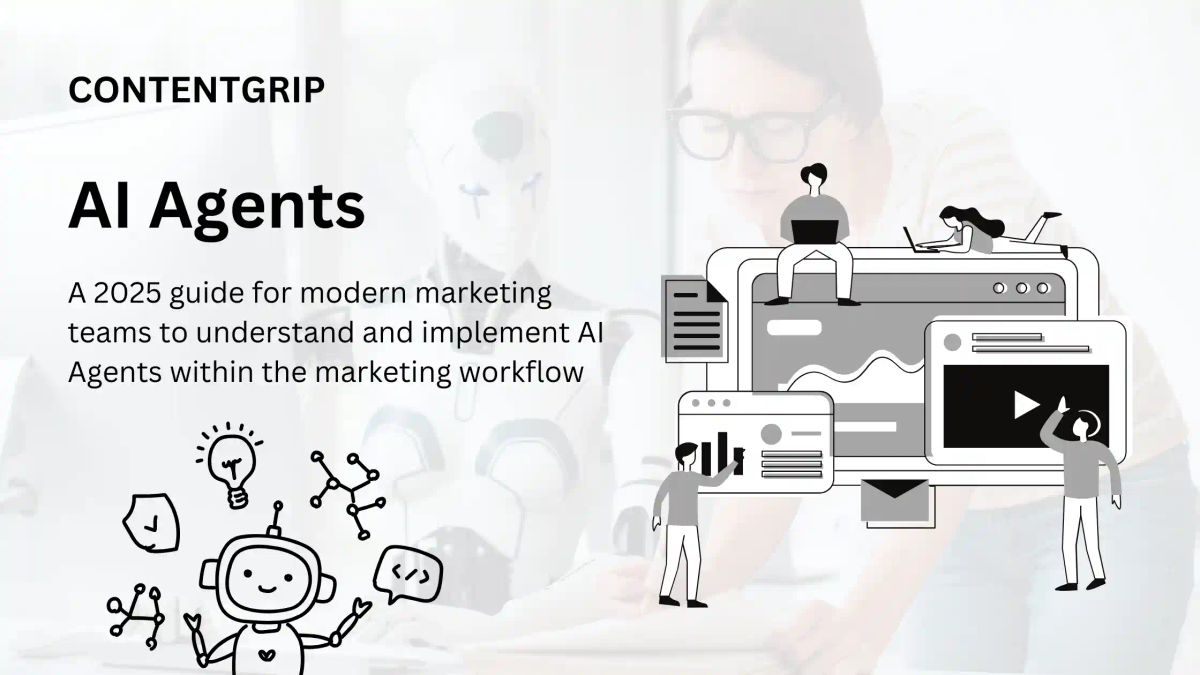
Why marketing operations are shifting from people to systems
AI is also transforming the operational backbone of marketing.
Execution is moving from human-led workflows to system-driven processes. Campaign setup, optimization, and orchestration are increasingly handled by AI agents rather than teams.
This shift has several implications:
- Marketing capacity scales without proportional headcount growth
- Technology investment is outpacing hiring
- Roles are evolving rather than simply disappearing
Forrester previously estimated that 7.5% of advertising agency jobs could be automated by 2030, signaling a broader structural change.
But the bigger challenge is organizational, not technical.
CMOs are now expected to lead transformation across:
- Team structures
- Talent composition
- Decision-making processes
At the same time, brand stewardship is becoming more complex. As AI systems generate content and represent brands autonomously, risks around bias, hallucination, and inconsistency increase.
In fact, 70% of marketers have already encountered AI-related brand incidents, and 80% of brand owners are concerned about how agencies use generative AI.
What marketers should know about managing AI-driven growth
For marketers navigating this shift, the implications are both strategic and practical.
Here are key priorities to focus on:
1. Build AI fluency at the leadership level
CMOs and senior marketers need hands-on experience with AI tools. This is no longer optional. Understanding capabilities and limitations is critical for decision-making.
Patrecia Meliana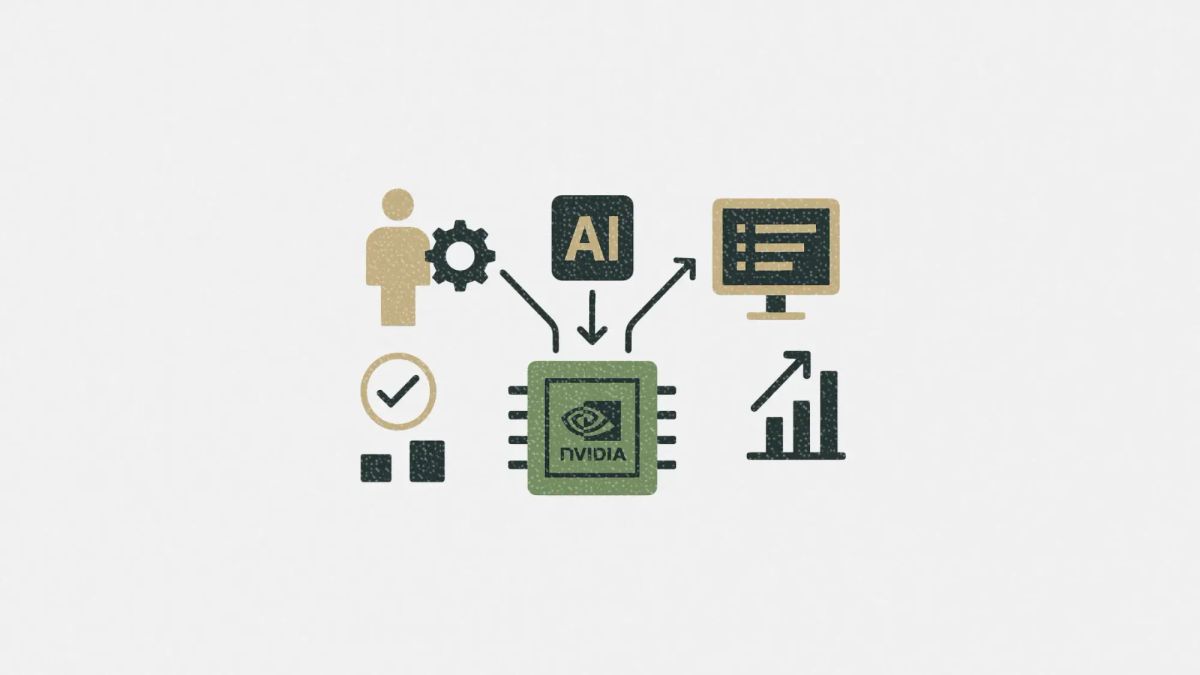
2. Optimize for machine visibility, not just human attention
Content, SEO, and brand signals must be structured in ways that AI systems can interpret and recommend. This includes structured data, authority signals, and consistent messaging.
Patrecia Meliana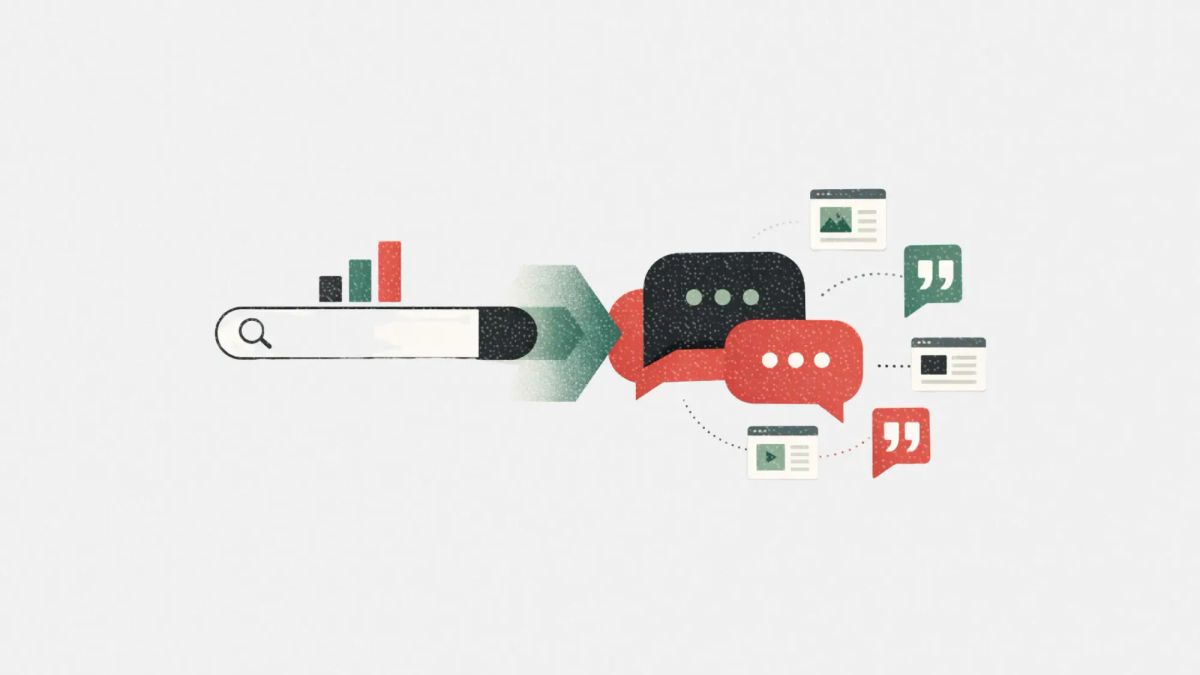
3. Redesign workflows around AI systems
Instead of layering AI onto existing processes, rethink workflows entirely. Focus on automation-first execution with human oversight where it matters.
Patrecia Meliana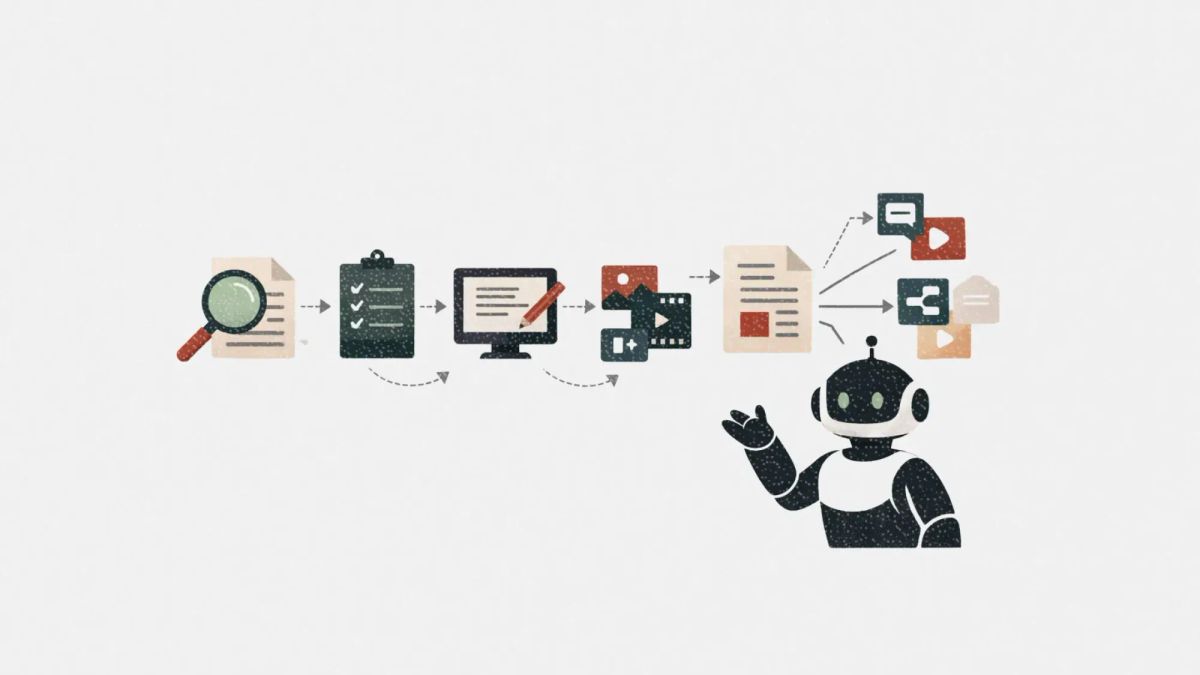
4. Strengthen brand governance for AI outputs
Establish clear guidelines for how AI tools are used internally and by partners. Monitor outputs to mitigate risks related to accuracy, bias, and brand consistency.
5. Shift time allocation toward strategy
As execution becomes automated, marketers should spend less time managing campaigns and more time on growth strategy, experimentation, and cross-functional alignment.
This is not just a tooling shift. It is a mindset shift from managing marketing activities to managing growth systems.
Patrecia Meliana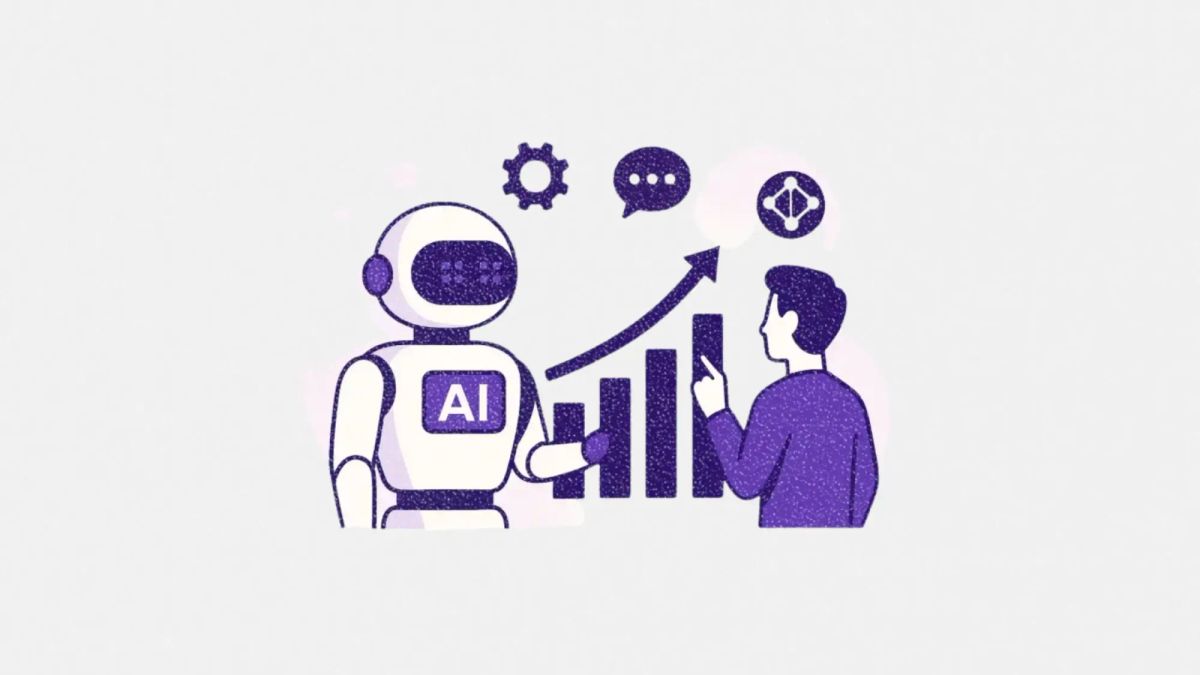
AI is not eliminating the CMO role. It is elevating it.
By embedding marketing deeper into the mechanics of growth, AI is forcing CMOs to operate as business-critical leaders rather than functional heads. The role now sits at the intersection of data, technology, and strategy.
The real question is not whether AI will change marketing. It already has.
The question is whether marketing leaders are ready to lead that change or be outpaced by it.