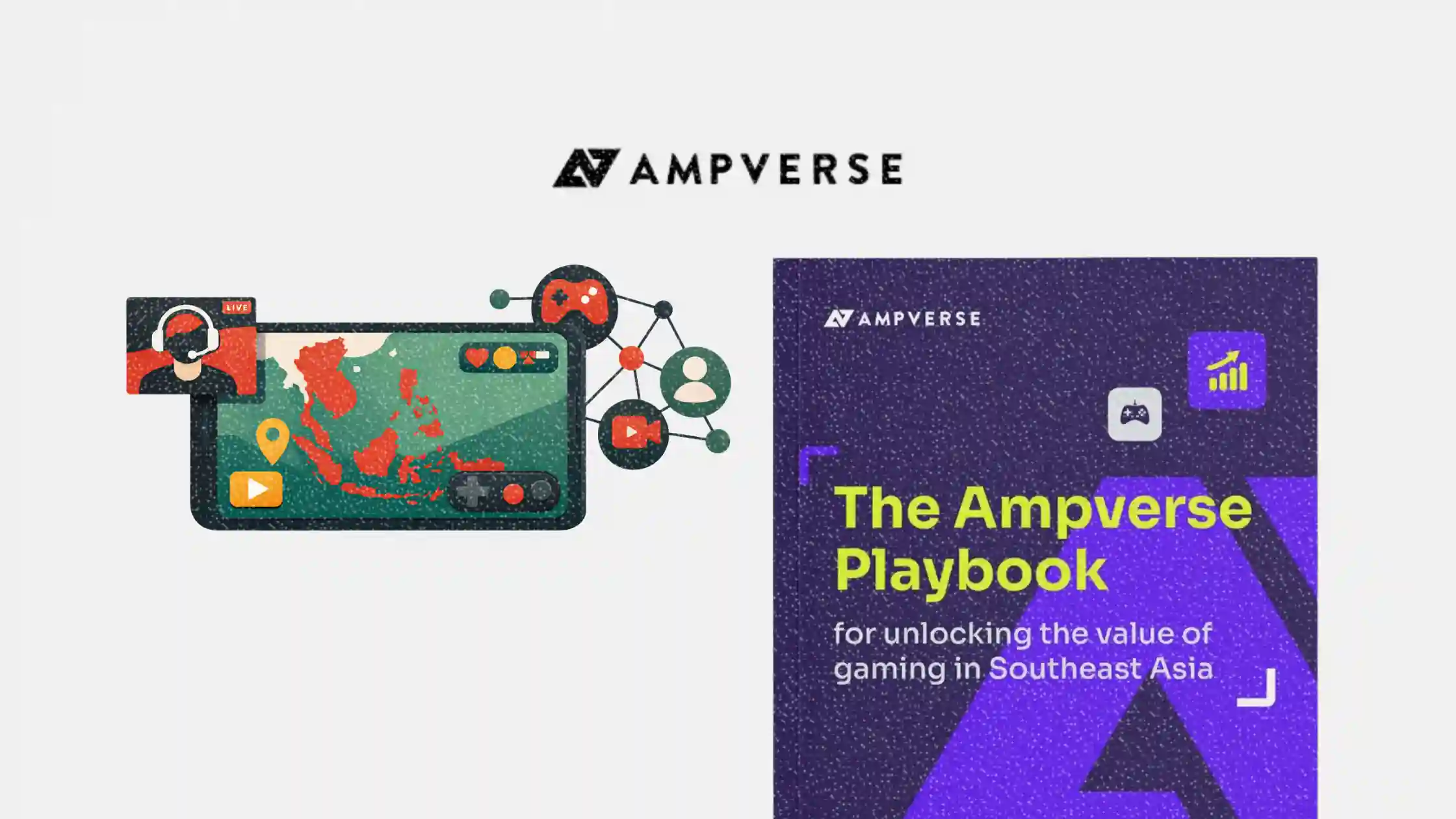
Southeast Asia’s gaming market is no longer a niche growth story. It is becoming one of the most important battlegrounds for brands trying to reach young, mobile-first audiences at scale.
Ampverse’s latest industry report breaks down how gaming in the region has evolved into a cultural and commercial engine, not just a distribution channel. This article explores what the data actually says and how marketers should rethink their approach to gaming audiences in Southeast Asia.
Short on time?
Here’s a table of contents for quick access:
- Why Southeast Asia gaming market matters for global brands
- Market size and mobile dominance in Southeast Asia gaming
- How country-level dynamics shape gaming growth in Southeast Asia
- How creators and communities drive gaming growth in Southeast Asia
- What marketers should know about gaming in Southeast Asia
 Anna Rzhevkina
Why Southeast Asia gaming market matters for global brands
Southeast Asia has crossed a key threshold. It is no longer an “emerging” market. It is now a global growth engine for gaming.
According to the Ampverse playbook, the region has over 670 million people and more than 277 million active gamers, putting it on par with North America and Europe in scale while still growing faster than both.
What makes this market different is not just size. Growth is driven by:
- Massive install volumes
- High daily engagement
- Strong creator and community influence
- Increasing monetization sophistication
The report highlights that Southeast Asia ranked among the top regions globally for mobile game downloads, with nearly 2 billion installs in a single quarter.
For marketers, this signals something important. You are not entering a developing channel. You are entering a mature, high-volume attention economy with its own rules.
Patrecia Meliana
Market size and mobile dominance in Southeast Asia gaming
The numbers reinforce the scale of the opportunity.
Gaming revenue in Southeast Asia reached approximately US$6.6 billion in 2025, with projections ranging from US$7 billion by 2028 to potentially over US$16 billion by 2030 depending on ecosystem expansion.
Mobile dominates this ecosystem:
- Around 70% of total gaming revenue comes from mobile
- By 2028, mobile games are expected to generate roughly US$4.8 billion
- PC and download games contribute about US$1.5 billion
- Console remains niche but is growing in affluent urban markets
The platform breakdown makes it clear that mobile is not just a channel. It is the primary gateway to gaming culture in the region. This means that traditional console-first or PC-first approaches from Western markets simply do not translate here.
Patrecia Meliana
How country-level dynamics shape gaming growth in Southeast Asia
While Southeast Asia is often grouped as a single high-growth region, the Ampverse report makes it clear that each market behaves differently.
The report highlights 6 countries and their unique traits highlighting why marketers need a localized approach:
Indonesia
Over 150 million gamers, making it the largest market in the region. Scale is the defining factor, and creator trust plays a critical role in discovery and adoption.
Philippines
Around 45 million gamers with a highly social gaming culture. Livestreams and peer networks drive viral game discovery.
Thailand
About 35 million gamers and one of the most monetized markets in Southeast Asia. Strong esports infrastructure supports premium brand activations.
Vietnam
Roughly 55 million gamers with rapid growth in both player base and local game development. Highly engaged but price-sensitive.
Malaysia
Around 20 million gamers with high connectivity and strong English usage, making it a practical testing ground for regional campaigns.
Singapore
A smaller market with about 4 million gamers but the highest average revenue per user, and a regional hub for publishers and platforms.
The takeaway is straightforward. There is no single “Southeast Asia strategy.” Each market requires different messaging, monetization models, and creator partnerships.
How creators and communities drive gaming growth in Southeast Asia
One of the most important shifts highlighted in the report is how discovery works. More than 50% of gamers in Southeast Asia regularly watch gaming content, and discovery increasingly happens through creators rather than app store rankings or ads.
Key dynamics include:
- A single creator can shape how a game is perceived
- Creator-led tournaments outperform traditional campaigns
- Long-term creator relationships drive better results than one-off influencer buys
Communities are equally critical. Discord servers, Facebook Groups, and in-game guilds are not just engagement tools. They are retention engines.
This flips the traditional marketing funnel whereby participation matters more than exposure and engagement beats reach.
Patrecia Meliana
What marketers should know about gaming in Southeast Asia
The Ampverse playbook points to several strategic shifts that marketers should take seriously.
1. Marketing must feel like gameplay
Campaigns that behave like ads are often ignored. The region rewards interactive, participatory experiences.
Patrecia Meliana
2. Creator-led strategies are non-negotiable
Creators drive installs, retention, and monetization. Treat them as long-term partners, not distribution channels.
3. Community is your growth engine
Retention, advocacy, and cultural relevance all come from community investment, not just acquisition spend.
Patrecia Meliana
4. Localization goes beyond language
Cultural nuance varies significantly across markets like Indonesia, Thailand, and Vietnam. A one-size-fits-all strategy will fail.
5. Western playbooks do not translate directly
The report explicitly notes that many global strategies fail because they are copied from Western markets without adaptation.
Patrecia Meliana
Practical moves for marketers
- Build creator partnerships early in your go-to-market plan
- Invest in community infrastructure, not just campaigns
- Design activations that encourage participation, not passive viewing
- Measure beyond impressions by tracking engagement and retention signals
Patrecia Meliana
Southeast Asia’s gaming market is scaling fast, but the real story is how it is evolving. Gaming in the region is not just entertainment. It is culture, community, and commerce rolled into one.
For marketers, the takeaway is clear. Success here requires a shift in mindset. You are not buying attention. You are earning participation. Brands that understand this will unlock long-term growth. Those that rely on traditional playbooks risk being ignored.