
WPP is pushing marketing closer to the real world.
By integrating Google Earth AI into its WPP Open platform, the company is attempting to solve a long-standing gap between digital signals and physical consumer behavior.
This article explores how Earth AI datasets are reshaping audience intelligence, media planning, and creative production and what this means for marketers trying to connect online intent with offline outcomes.
Short on time?
Here’s a table of contents for quick access:
- How WPP is using Google Earth AI to connect digital marketing with the physical world
- Why physical-world data is becoming critical for marketing decisions
- What marketers should know about Earth AI-powered marketing workflows
 Patrecia Meliana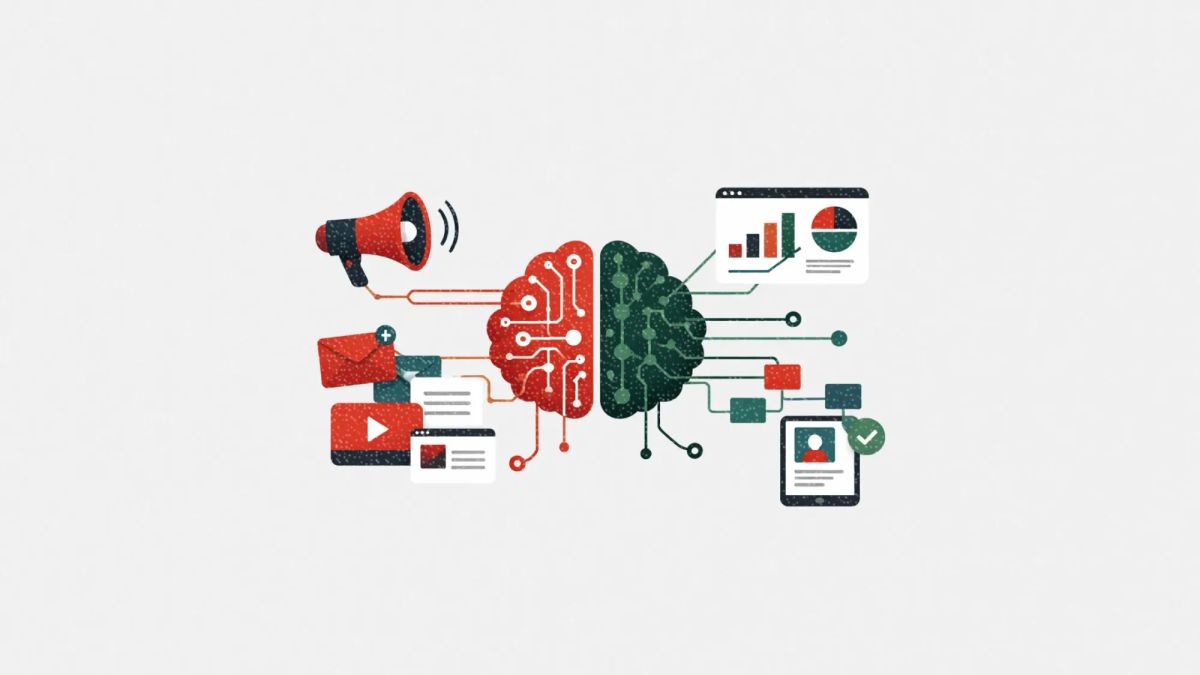
How WPP is using Google Earth AI to connect digital marketing with the physical world
Following an expanded partnership with Google Cloud, WPP has integrated Google Earth AI models and datasets into WPP Open, its agentic marketing platform.
Earth AI brings together large-scale geospatial data such as traffic patterns, weather conditions, and neighborhood movement trends into a unified intelligence layer. WPP is combining this with its own marketing data to give brands a more complete view of consumer behavior.
The goal is straightforward: help brands anticipate demand and automate marketing decisions based on real-world signals, not just digital interactions.
This is particularly relevant given that more than 80 percent of retail sales still happen offline. WPP’s approach attempts to close the gap between what consumers do online and what actually drives purchases in physical environments.
Stephan Pretorius, Chief Technology Officer at WPP, framed this as a shift in how marketers understand consumer journeys. Instead of relying purely on digital behavior, brands can now incorporate physical-world context into decision-making.
Why physical-world data is becoming critical for marketing decisions
WPP’s integration highlights a broader industry shift. Digital data has long dominated marketing strategies, but it only tells part of the story.
By layering in Earth AI datasets, WPP is enabling three key capabilities:
- Advanced audience intelligence
Brands can combine consumer behavior data with physical-world signals such as weather patterns, health trends, and movement data. This allows for more contextual and timely engagement. For example, insurance companies can proactively communicate with customers ahead of weather-related risks.
- Predictive media planning tied to outcomes
Instead of optimizing for clicks or impressions, marketers can align media planning with real-world readiness and demand. WPP demonstrated this with an automotive client by building an Electric Vehicle Readiness Index using location-based data. The result was a 77% performance lift and a 15% reduction in cost to conversion compared to standard market approaches.
- Localized production and creative workflows
Using tools like Cultural Insights, WPP enables teams to generate location-specific creative grounded in real-world environments. This allows brands to move from cultural insight to production-ready content faster, with creative tailored to specific cities and markets.
The integration also extends to operational use cases. Real-time road data can support logistics optimization through WPP-owned Satalia, improving last-mile delivery and route planning.
What marketers should know about Earth AI-powered marketing workflows
This move is not just about better data. It signals a shift toward more autonomous, context-aware marketing systems.
Here are the practical implications:
- Marketing becomes environment-aware
Campaigns can adapt based on real-world conditions like weather, traffic, or local activity patterns, making them more relevant and timely.
- From reactive to predictive execution
Instead of responding to past behavior, marketers can anticipate needs and act earlier in the decision cycle.
- Creative becomes hyper-local at scale
AI-driven production workflows allow teams to generate culturally relevant content for multiple markets without slowing down execution.
- Measurement shifts toward real outcomes
With physical-world data in the mix, performance can be tied more directly to business results such as store visits, conversions, or demand shifts.
- Privacy remains a key constraint
WPP emphasizes the use of aggregated and anonymized data through its Open Intelligence framework, reflecting ongoing pressure to balance insight with compliance.
For marketers, the takeaway is clear. The next competitive edge may not come from more digital data, but from better integration of digital and physical signals.
Patrecia Meliana
WPP’s integration of Google Earth AI marks a step toward a more holistic marketing model, one that reflects how consumers actually live and make decisions.
As AI platforms evolve, the ability to connect digital intent with real-world context will likely become a baseline expectation rather than a differentiator. Brands that adapt early will be better positioned to deliver relevant, timely, and outcome-driven marketing.
For now, WPP is testing what happens when marketing systems stop treating the physical world as a blind spot and start using it as a core input.