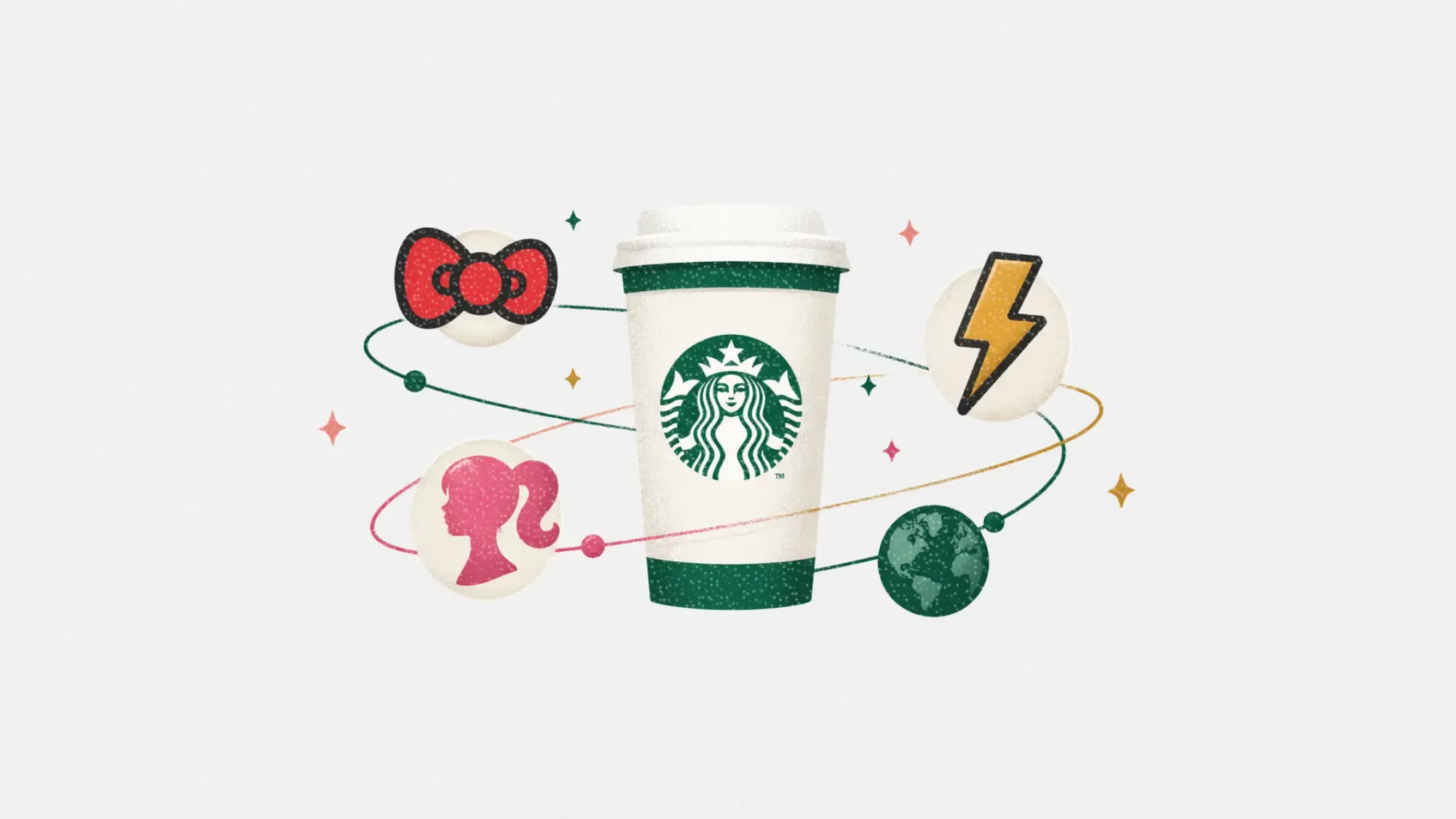
Starbucks is no longer just selling coffee. It is building cultural moments.
From Hello Kitty to Harry Potter, the brand has been steadily expanding its use of entertainment IP to create immersive, collectible, and highly shareable experiences across global markets.
This article explores how Starbucks is operationalizing fandom as a marketing strategy, why these collaborations resonate across regions, and what B2B marketers can learn from its evolving playbook.
Table of Content
- Starbucks is turning fandom into a global marketing engine
- A look at Starbucks’ biggest IP collaborations
- Why these collaborations work for modern brand building
- What marketers should know about IP-driven campaigns
 Patrecia Meliana
Starbucks is turning fandom into a global marketing engine
Starbucks is steadily building a repeatable playbook around intellectual property collaborations. These are not one-off brand stunts. They are structured, scalable campaigns that combine product innovation, merchandise, and localized storytelling.
Across regions, the brand follows a consistent formula that turns fandom into participation:
- Tap into culturally relevant IP
- Translate characters into menu items and merchandise
- Create urgency through limited-time drops
- Design for social sharing and collectibility
What makes this approach work is how tightly it integrates culture into the core product experience. Instead of treating collaborations as surface-level branding, Starbucks embeds them into what customers actually buy, drink, and share.
Patrecia Meliana
A look at Starbucks’ biggest IP collaborations
Starbucks’ IP strategy spans multiple genres, audiences, and geographies. Here is a breakdown of key collaborations:
1. Harry Potter (Warner Bros.)
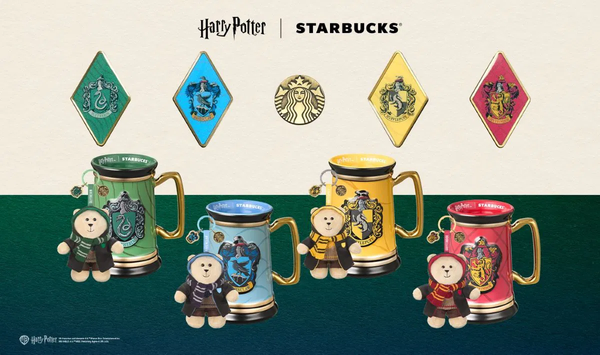
Starbucks rolled out an immersive Harry Potter experience across Asia Pacific, blending themed store environments, merchandise, and beverages. The campaign leaned heavily into experiential retail, turning stores into fandom destinations rather than just points of sale.
2. The Devil Wears Prada 2 (20th Century Studios)
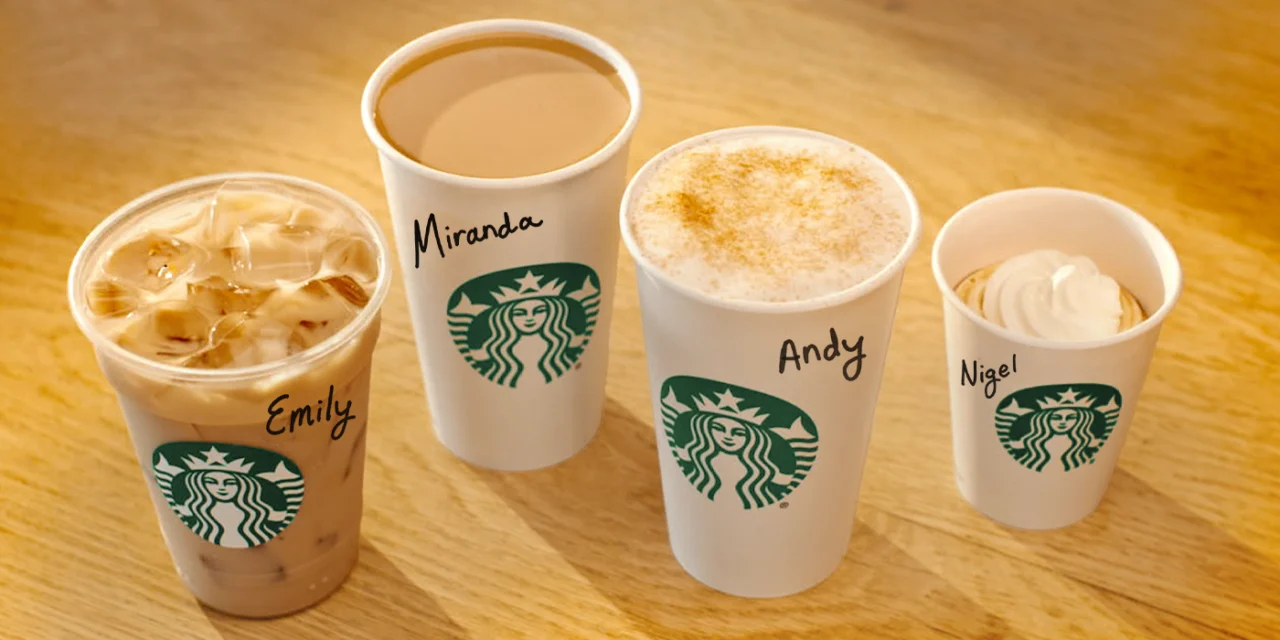
Starbucks launched a global campaign featuring character-inspired “secret menu” beverages from The Devil Wears Prada movie. Each drink reflects personalities from the film, pushing Starbucks further into narrative-driven product design where storytelling shapes the menu itself.
3. Hello Kitty (Sanrio)
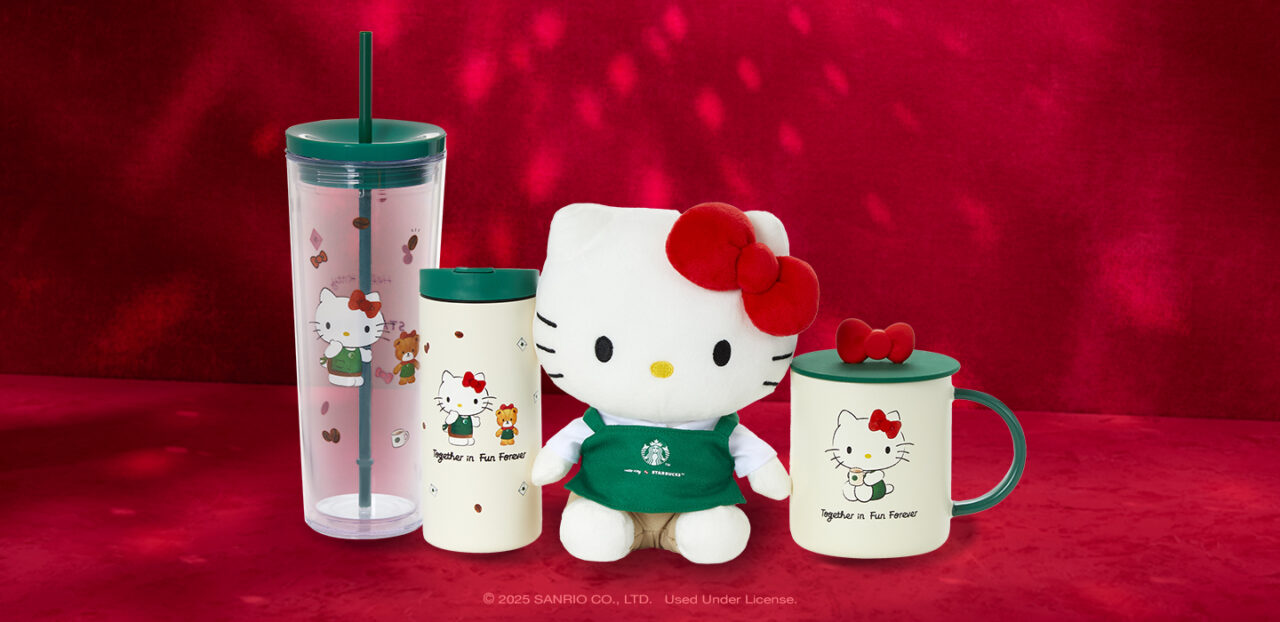
A North America-focused merchandise drop built around nostalgia and Hello Kitty’s kawaii culture. Plush toys, mugs, and tumblers positioned Starbucks as a gifting destination during the holiday season.
4. Peanuts
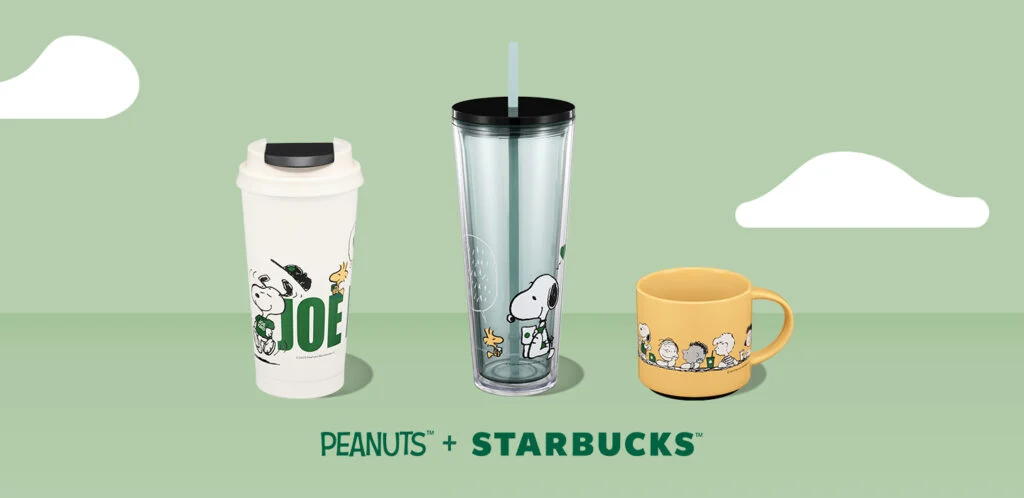
One of Starbucks’ largest global rollouts. Anchored around “Joe Kind Snoopy,” the campaign blended themed products with purpose-driven initiatives tied to its Global Month of Good.
5. Toy Story (Disney Pixar)
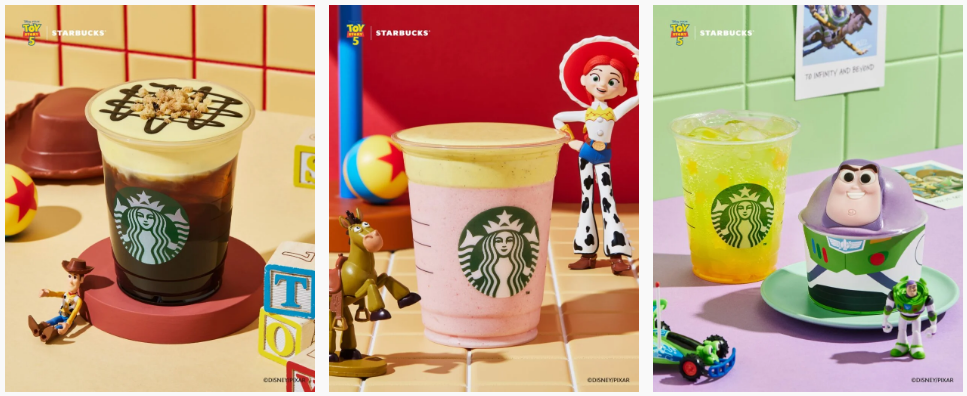
Starbucks Korea brought Toy Story characters into stores through themed beverages, bakery items, and collectible merchandise. Each beverage and bakery item reflected characters like Woody and Buzz Lightyear, reinforcing emotional themes like friendship.
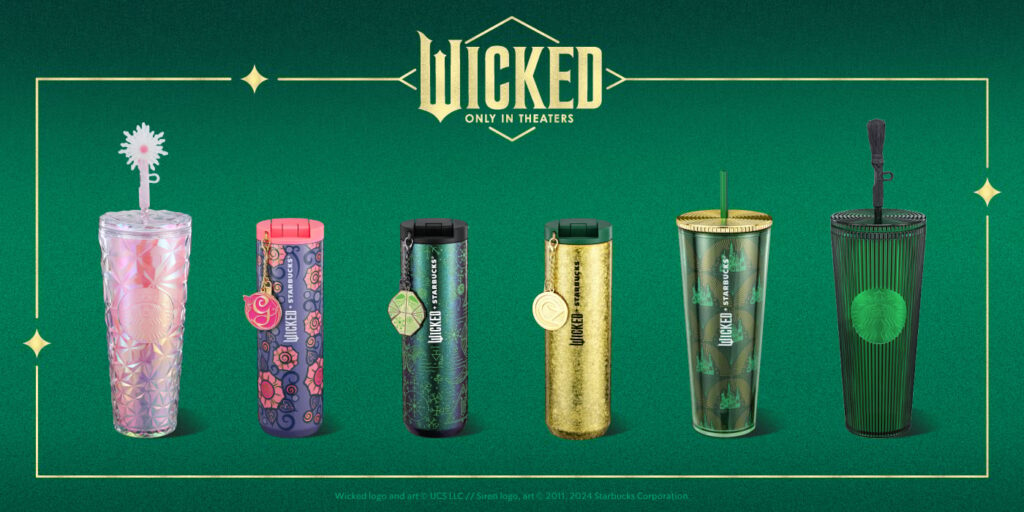
6. Wicked (Universal Pictures)
A cinematic collaboration with Wicked across APAC featuring themed drinks and merchandise designed to mirror the film’s tone and emotional appeal.
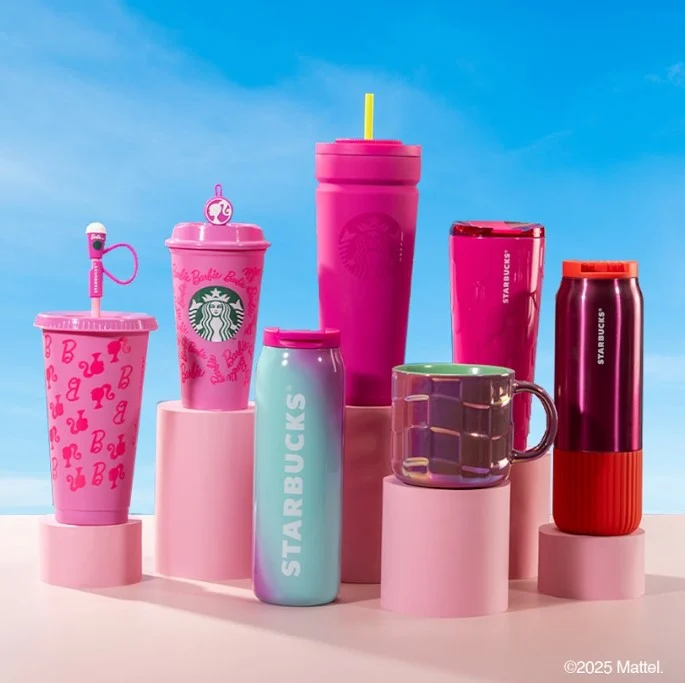
7. Barbie (Mattel)
In Mexico, Starbucks launched a pink-toned collection in collaboration with Barbie which includes a Barbie Frappuccino and themed desserts. The campaign leaned heavily into self-expression and visual identity.
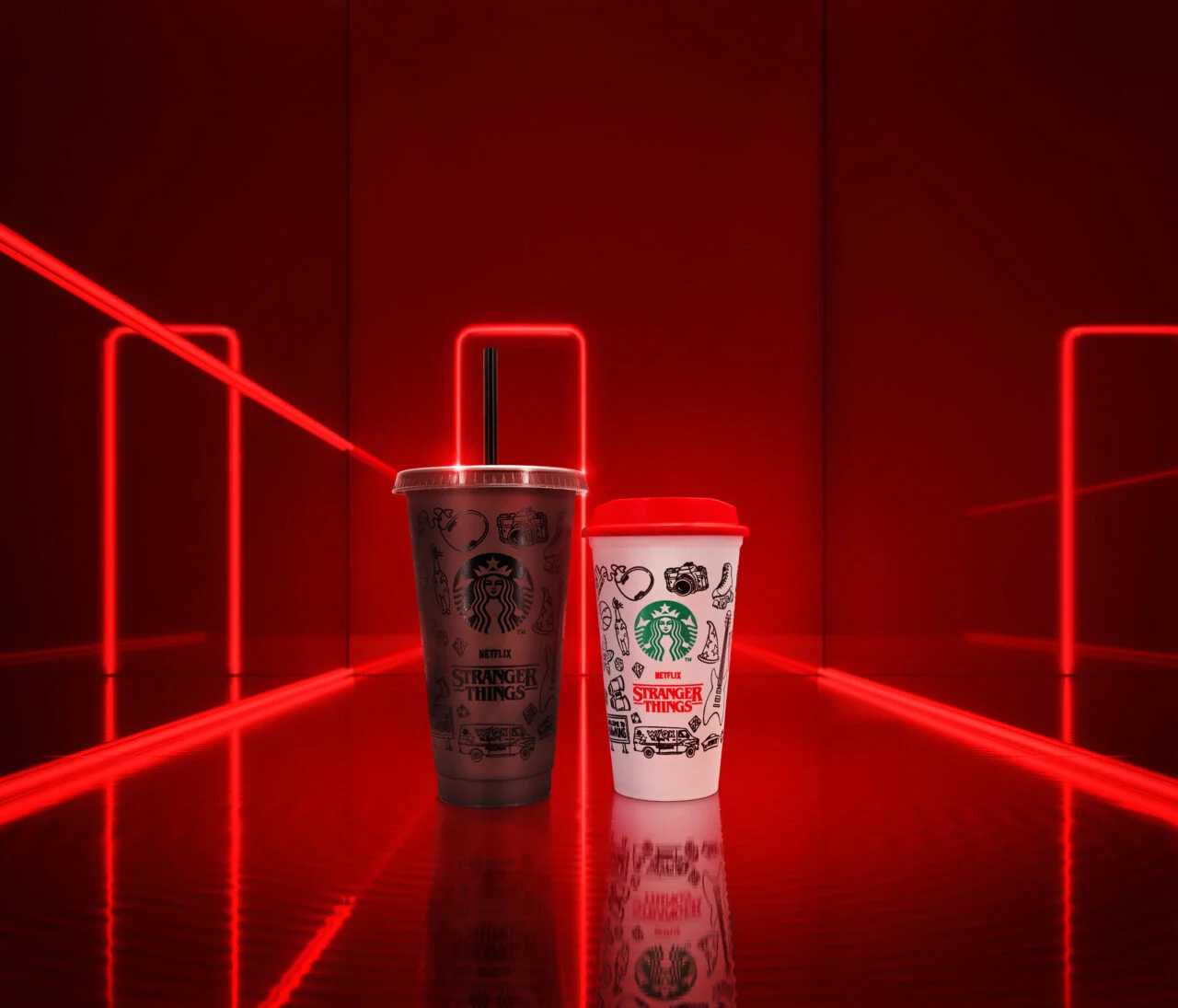
8. Stranger Things (Netflix)
Rolled out across Latin America and the Caribbean, this campaign focused on friendship and nostalgia, aligning with Stranger Things’ core themes.
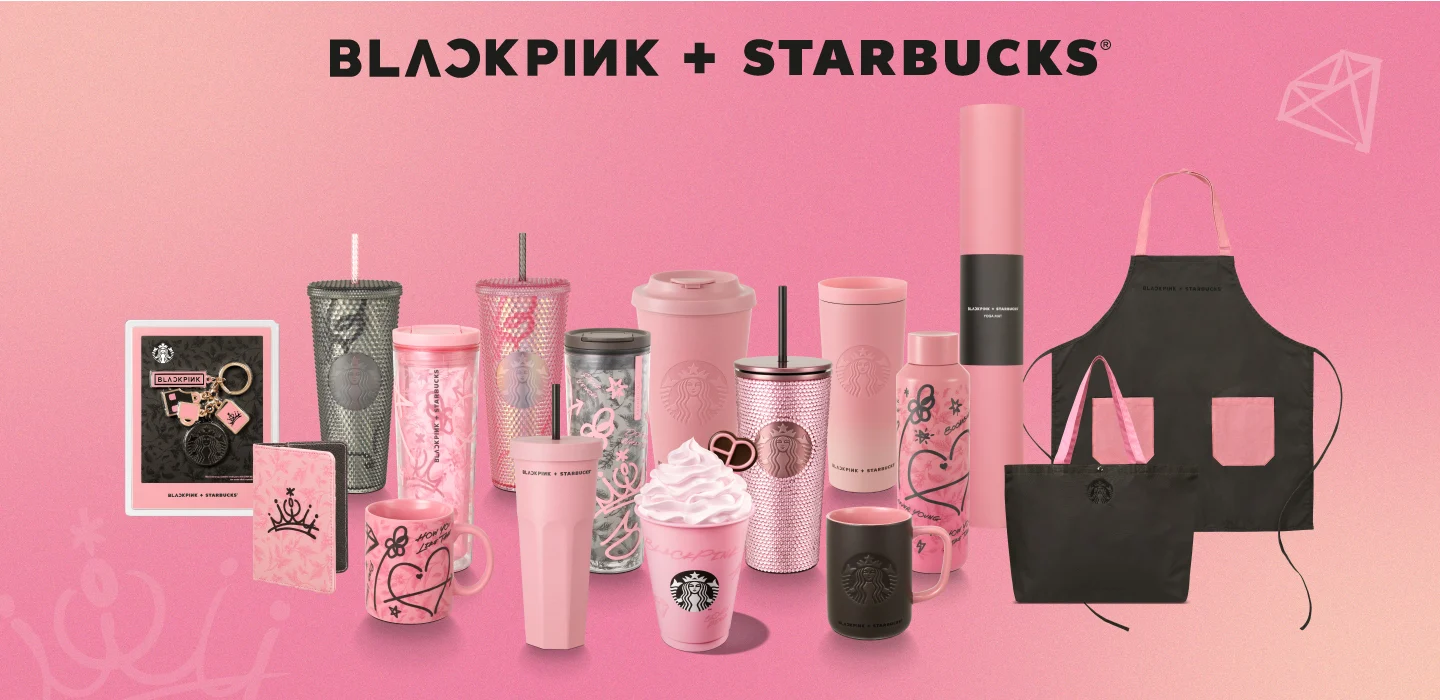
9. BLACKPINK
A high-energy collaboration in Asia Pacific combining Blackpink’s K-pop fandom with bold, visually striking beverages and merchandise.
Each campaign is tailored to regional audience preferences, but the underlying mechanics remain consistent.
Why these collaborations work for modern brand building
These partnerships succeed because they tap into three key shifts in consumer behavior.
- Fandom as identity
Consumers increasingly define themselves through the content they love. Starbucks leverages this by turning everyday purchases into expressions of identity.
Patrecia Meliana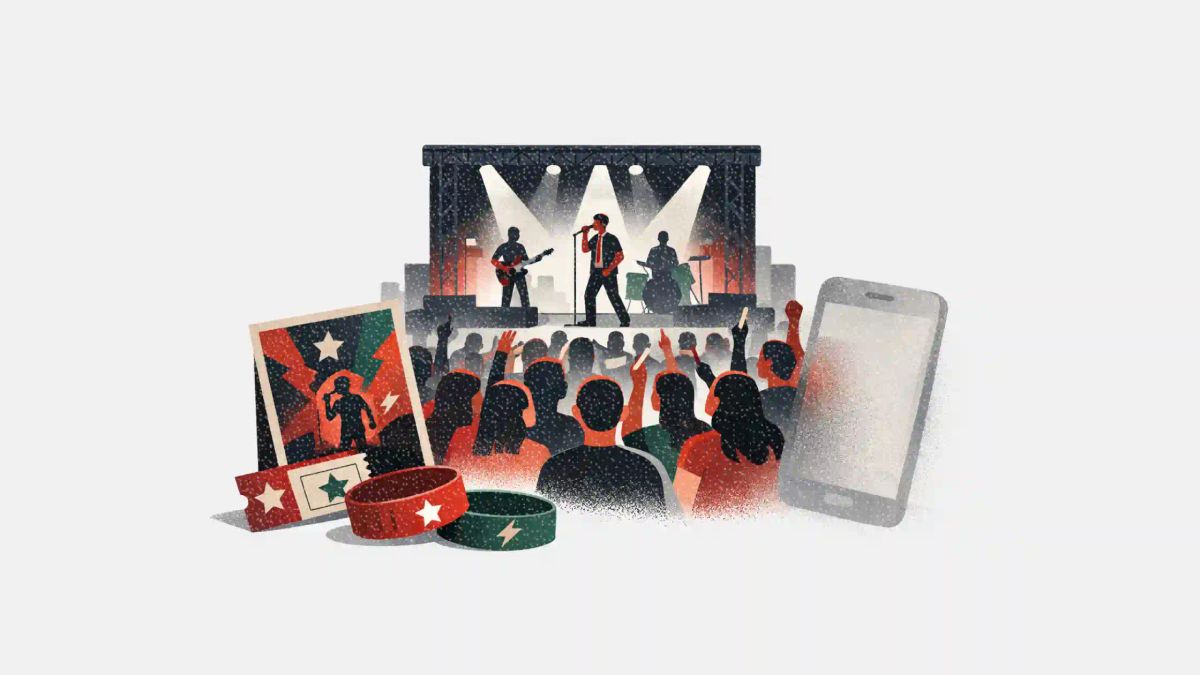
- Retail as experience
Physical stores are no longer just transactional spaces. By embedding IP into the in-store journey, Starbucks creates moments worth visiting and sharing.
- Scarcity and collectibility
Limited-edition drops drive urgency. Merchandise and themed drinks become collectibles, extending engagement beyond the initial purchase.
Patrecia Meliana
Importantly, Starbucks does not just “borrow” IP. It adapts it into its own ecosystem, ensuring that each collaboration feels native to the brand.
What marketers should know about IP-driven campaigns
For B2B marketers and brand strategists, Starbucks offers a clear framework for executing IP collaborations effectively:
- Think beyond co-branding
Do not just slap a logo on a product. Build a narrative that connects the IP to your core offering.
- Localize aggressively
Starbucks tailors each campaign to regional tastes and cultural context. Global consistency matters less than local relevance.
- Design for social sharing
Every drink, cup, and product is visually engineered for platforms like Instagram and TikTok.
- Blend commerce with storytelling
The best-performing campaigns turn products into story elements, not just SKUs.
- Create layered engagement
Combine merchandise, in-store experience, and digital buzz to maximize reach and retention.
- Align with brand values when possible
Campaigns like Peanuts show how IP can also support purpose-driven messaging, not just sales.
Patrecia Meliana
Starbucks is proving that IP collaborations are more than seasonal marketing tactics. They are a scalable growth strategy that merges culture, commerce, and community.
For marketers, the takeaway is clear. The future of brand engagement is not just about visibility. It is about participation. And the brands that win will be the ones that turn audiences into fans, and fans into active participants.