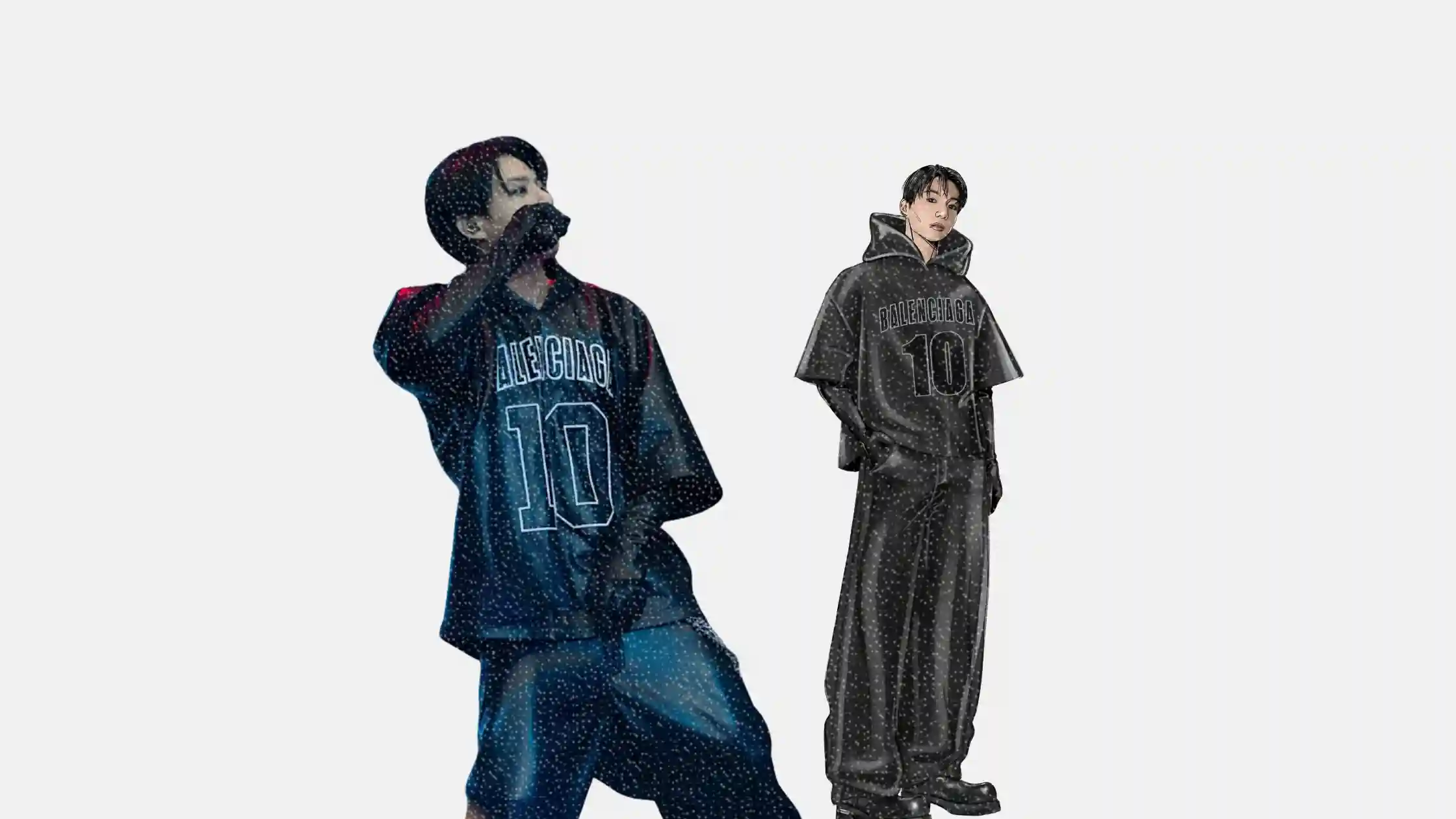
When a stadium show hits the scale of “once-in-a-career,” fans start clocking every detail, especially the styling. For Jung Kook’s two-night ARIRANG World Tour stop in Paris, the outfits became part of the conversation before anyone officially confirmed why they looked so specifically “designed,” not just “put together.”
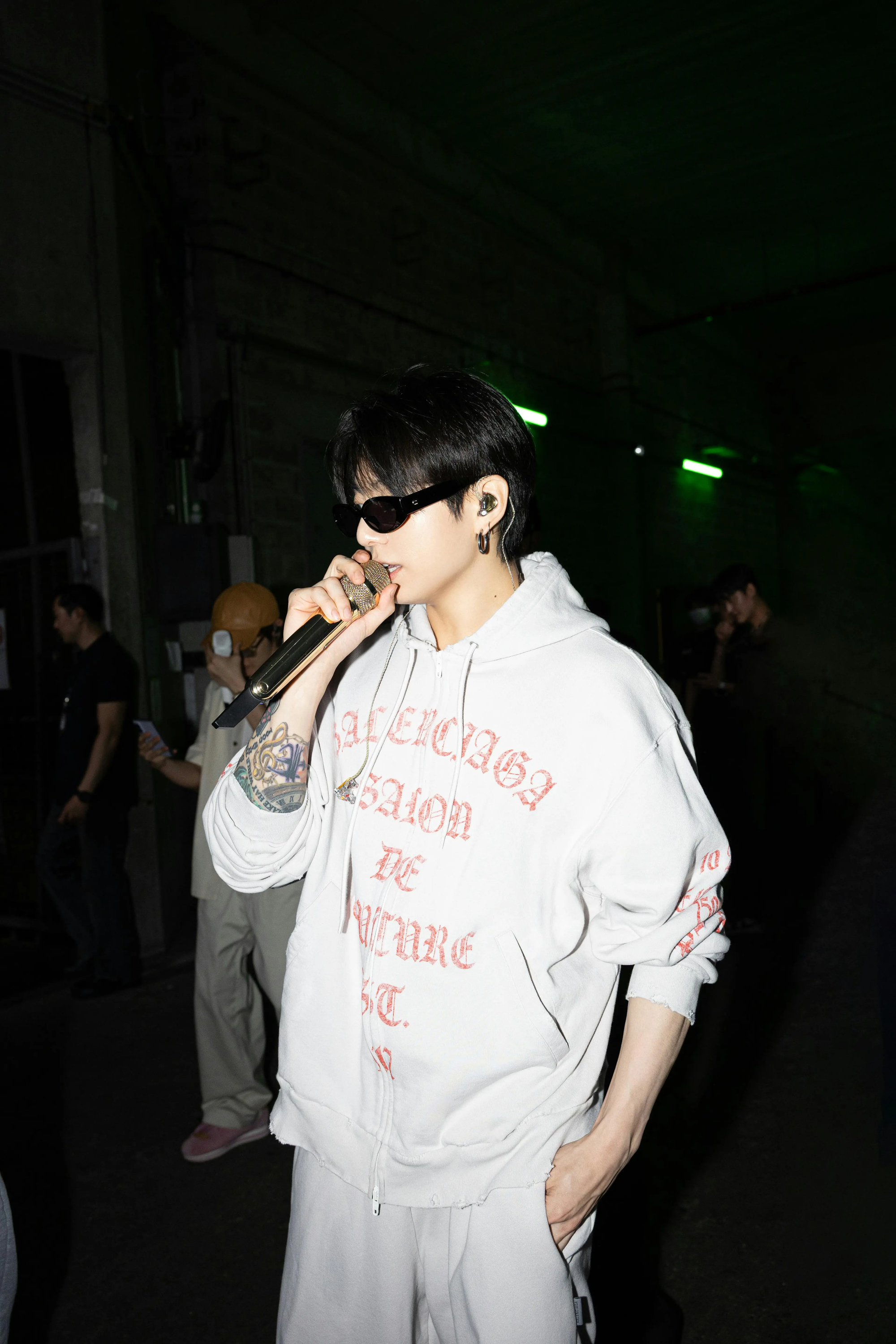
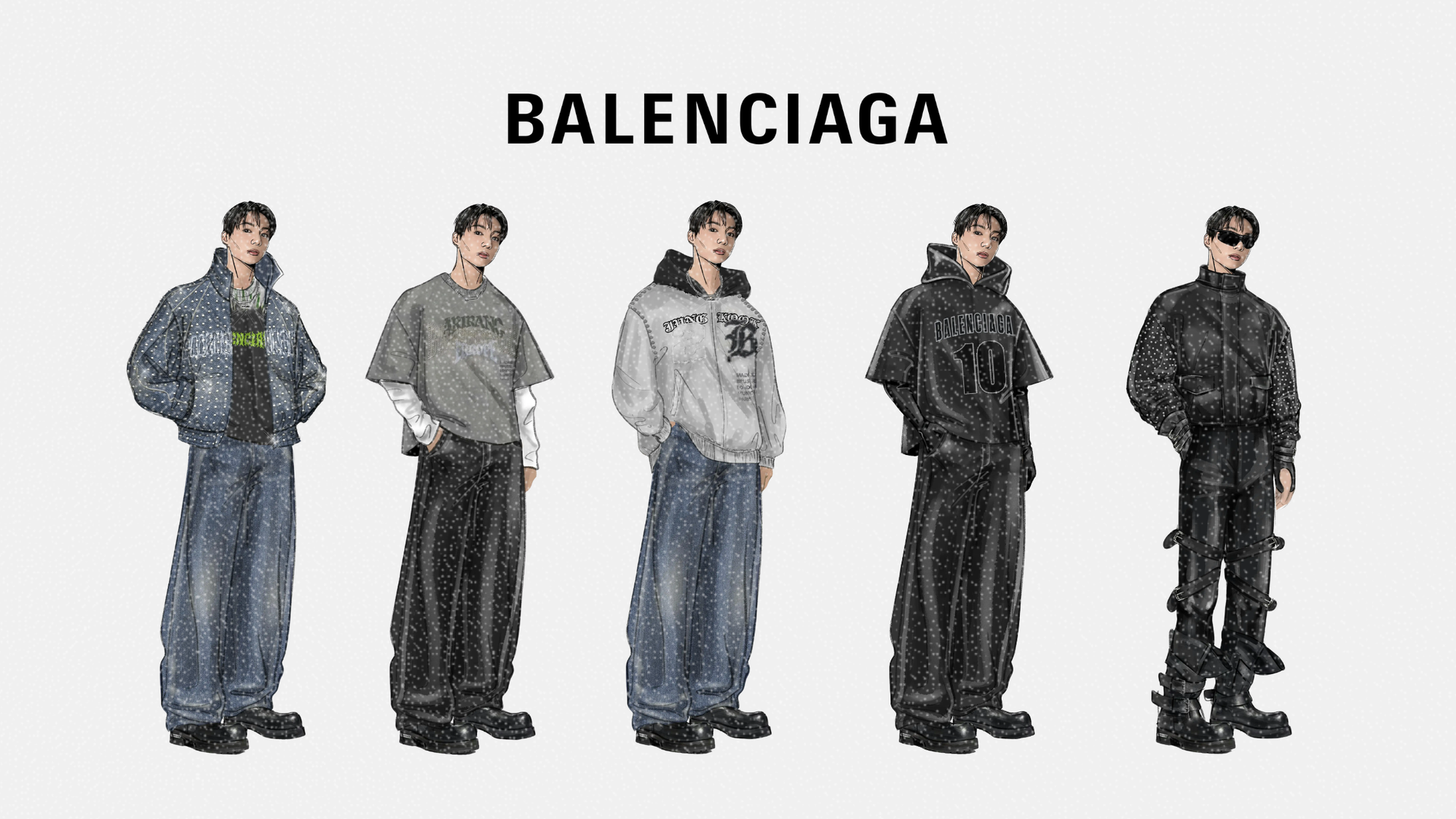
Balenciaga later confirmed it had created five custom looks for Jung Kook’s July 17 and 18 shows at Stade de France, after fans were already speculating about an unannounced collaboration. The house framed the wardrobe around the tour’s three thematized acts, with each look tracking the emotional and visual arc of the performance.
Table of contents
Jump to each section:
- Why stadium fashion becomes fandom conversation
- What Balenciaga actually made for the ARIRANG Tour
- How “house codes” and accessories carry a tour narrative
- What this means for marketers watching luxury and K-pop
Why stadium fashion becomes fandom conversation
At stadium scale, styling is not a detail, it is storytelling you can read from the upper deck. Fans pick up on silhouettes, repeated motifs, and how a look changes from act to act because that is part of how they track a performance’s “arc,” not just the setlist.
The Paris stop also carried extra emotional weight: Stade de France is a symbolic venue for global pop moments, and the crowds were historic for BTS’ career. With that kind of spotlight, fashion choices land more like cultural signals than like backstage wardrobe decisions.
What Balenciaga actually made for the ARIRANG Tour
Balenciaga created five custom looks for Jung Kook’s Paris run, designed to match the tour’s three-act structure. The designs were developed under Pierpaolo Piccioli and pulled directly from his Fall 2026 and Spring 2027 collections, then adapted for the practical demands of stadium performance.
Act One leaned most clearly into Balenciaga’s black leather language, with a silhouette that reads as armor and attitude when scaled up for an 80,000-plus venue. Instead of treating the looks as standalone “fits,” the wardrobe was built to feel cohesive across acts, closer to stage world-building than one-off fashion moments.
How “house codes” and accessories carry a tour narrative
A notable connective thread across the looks was Balenciaga’s Le City stud detailing, referenced as a house signature tied back to the brand’s classic City bag. In the context of a concert, that kind of repeatable design code works like a visual chorus: fans recognize it, then start looking for it again.
Accessories helped carry the same point of view through the full performance, including Venom Boots, Boomerang Cat Sunglasses, and BB Icon and DIY Pin necklaces. Because these pieces were also drawn from the same Fall 2026 and Spring 2027 references as the clothing, the overall effect read less like product placement and more like a consistent styling “language” across the show.
What this means for marketers watching luxury and K-pop
The easiest way to misunderstand luxury x K-pop is to treat it like a logo moment. This collaboration shows why the better unit of value is the narrative fans can follow.
- Fans notice coherence more than sponsorship
Speculation started before confirmation because fans were reading consistency across acts. When styling supports a tour’s structure, it becomes easier for audiences to spot intention and talk about it. - Stage scale turns design codes into mass-reach symbols
Details like Le City studs are small up close, but at stadium distance they become repeatable cues. That repeatability is what makes a motif spread across photos, clips, and fan recaps. - Accessories can do the “branding” without feeling like branding
The repeated use of boots, sunglasses, and necklaces creates recognition without forcing a product-first moment. For luxury, that matters because overt placement can trigger backlash faster than subtle consistency. - Cultural weight is amplified by the venue and the crowd
The Paris shows were described as the biggest crowds of BTS’ career. When the moment is already historic, brand participation reads as being “part of the memory,” not just present in the room.
Ultimately, the signal here is not “luxury wants K-pop audiences” because that is already established. The sharper point is how luxury earns credibility inside fandom: by supporting the story fans are already emotionally invested in, and by giving them visual details worth rewatching, screenshotting, and decoding. For marketing teams, the lesson is to design for fan interpretation, not just for visibility.