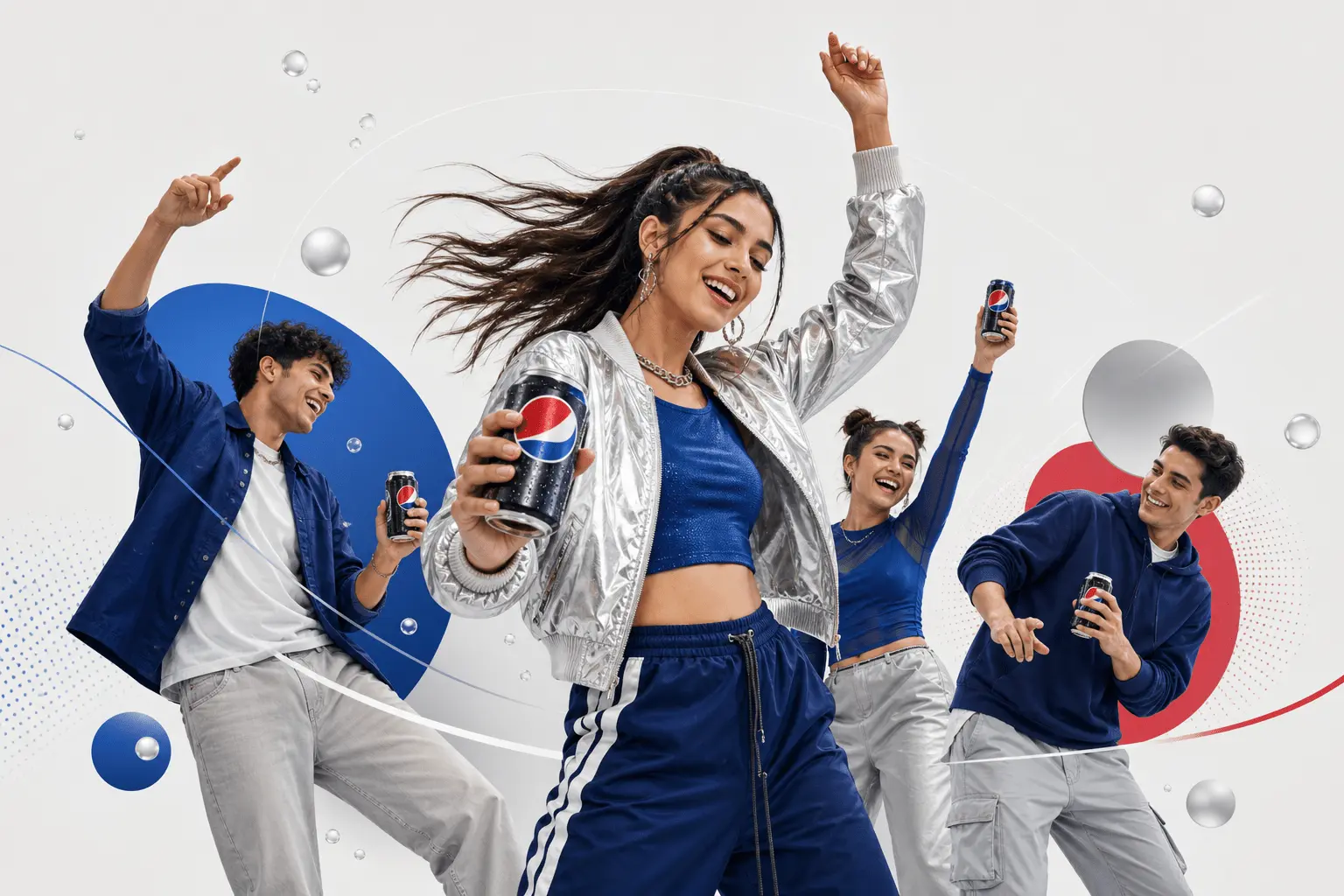
Turning a meal into a mini event is already a familiar Gen Z habit in the Philippines, whether it is filming mukbang-style bites, doing quick dance cutaways, or making “ordinary” food feel like a group hang. Pepsi is leaning into that same energy with Pepsi Extra Fizz, built around the idea that mealtime can be louder, bolder, and more shared.
PepsiCo Philippines positioned the product and its creative platform, #PepsiExtraFizz, as an invite for Gen Z Filipinos to “go extra” in everyday moments, and shared details in an official announcement. The integrated campaign pairs P-pop group SB19 with creator Mimiyuuuh, combining fandom attention, creator-driven participation, and an in-person launch event designed to feel like something you show up for, not just watch.
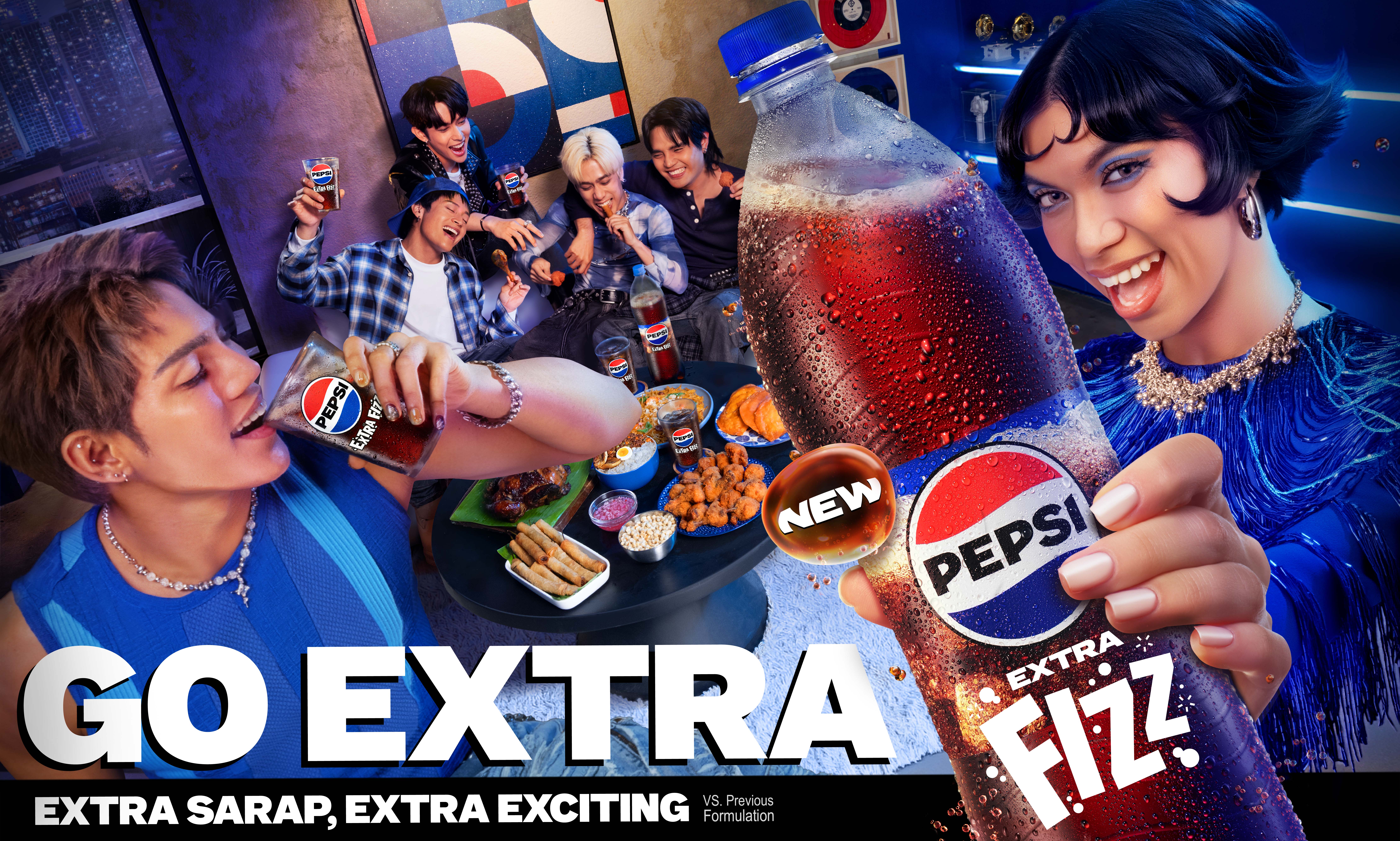
Table of contents
Jump to each section:
- Why SB19 and Mimiyuuuh make this feel like a real Gen Z moment
- What Pepsi Extra Fizz is, and what the campaign actually includes
- How the dance challenge built momentum before the “official” launch
- What this means for marketers
Why SB19 and Mimiyuuuh make this feel like a real Gen Z moment
This campaign works best when you understand what SB19 represents in local pop culture: a group with a highly organised fanbase (A’TIN) that shows up loudly online and offline, and treats participation as part of fandom identity, not just support. When a brand gets access to that kind of community energy, the “media plan” is often less important than the behaviour the fandom already has: sharing, remixing, and rallying around a moment together.
Mimiyuuuh adds a different kind of cultural credibility. A creator-led prompt can feel more like an internet inside joke than an ad instruction, especially when the hook is physical (a dance) and easy to copy. Pairing a top fandom engine with a creator who knows platform rhythm sets the campaign up for imitation, not just impressions.
What Pepsi Extra Fizz is, and what the campaign actually includes
Pepsi Extra Fizz is positioned as a cola with “extra fizz” and “bursting bubbles,” designed to make eating feel more hyped. The brand framing focuses on turning everyday meals into “extra sarap” shared moments.
The campaign includes a launch film featuring SB19 and Mimiyuuuh, plus social content, influencer participation, live experiences, and earned media. The official public activation ran July 25 to 26 at the SM Mall of Asia Music Hall, where attendees experienced immersive installations, interactive experiences, and live performances. On the agency side, BBDO Guerrero led creative, with Yellow Brick Media producing the launch activation, Zenith Optimedia handling media strategy and placement, and Castro PR managing PR and earned media.
One notable creative choice is that SB19 composed original music for the campaign. That detail matters because it shifts SB19 from “talent in an ad” to “co-creator of the moment,” which can make fan participation feel less like brand labour and more like extending the group’s world.
How the dance challenge built momentum before the “official” launch
One of the campaign’s biggest participation mechanics was the Pepsi Extra Fizz Dance Challenge introduced by Mimiyuuuh, inspired by the film. The dance challenge gained traction among A’TIN even before the campaign launch, helping create early online conversation.
PepsiCo Philippines said the official audio saw more than 16,000 uses across social platforms, and the launch generated enough buzz to trend on X. For marketers, the sequencing is the key takeaway: instead of treating launch day as the first moment of attention, the campaign’s social behaviour started earlier, with the dance serving as the “early access” ritual that fandoms are already trained to respond to.
What this means for marketers
Fandom-led campaigns tend to succeed when they feel like a shared activity, not a brand message. Pepsi Extra Fizz is built around participation (dance, audio reuse, live attendance) and a simple social truth: people want something easy to copy that still feels like they are part of the moment.
1. Treat fandom participation as a creative format, not a media channel
SB19’s involvement goes beyond starring in content, including original music. That makes participation feel tied to the artist’s identity, which can increase willingness to share.
2. Build a “copyable” prompt that fits creator habits
A dance challenge is not just a tactic, it is a behaviour people already understand. Mimiyuuuh functions as the bridge between brand choreography and creator-native execution.
3. Sequence the campaign so social momentum can start before launch day
If the dance challenge catches early, launch becomes a payoff, not a starting point. That can help a campaign feel inevitable when the official event happens.
4. Make the offline moment feel like content, not just attendance
Immersive installations and live performances create footage opportunities and shared memories. For Gen Z, “I was there” is often the point, and the content is the receipt.
5. Align product truth with the social energy you are asking for
“Extra fizz” and “extra sarap” map cleanly onto “go extra” behaviour. When the product idea and the social prompt match, the campaign feels less forced.
More brands are trying to borrow creator culture and fandom dynamics, but audiences notice when the behaviour is unnatural. This campaign’s strongest signal is how it turns a product claim (extra fizz) into a social invitation (go extra) with a participation mechanism people already know how to do.
For marketing teams, the bigger lesson is that Gen Z attention is increasingly organised around shared formats: dances, audios, challenges, and “show up” events. The brand’s job is to set the stage with the right collaborators and a prompt that feels like it belongs to the community’s existing rituals.