
There is a special kind of delight in hearing a cinema audience gasp together, and M&M’S is turning that shared Halloween reflex into a prank, a celebrity appearance and a reason to plan another movie night. The brand has recruited British TV and radio presenter Rylan Clark to surprise moviegoers rather than simply appear in a conventional seasonal ad.
Its Scream Time promotion offers eligible adults in Great Britain a chance at cinema-ticket packages. But the more entertaining part is how the chocolate brand has dramatized the idea: Rylan hides in plain sight, tries to catch people off guard, then lets the laugh after the fright do the work. This is a campaign built around the moment when someone instinctively reaches for the person next to them.
Table of contents
Jump to each section:
- How Rylan turned a cinema into a Halloween set
- Why the prize follows the prank
- The shared-scream idea goes beyond a one-off stunt
- What marketers can learn from Scream Time
How Rylan turned a cinema into a Halloween set
A sofa is not usually suspicious at a cinema. That made it an ideal disguise for Rylan, who posed as part of the furniture at a Vue cinema in Islington before revealing himself to unsuspecting guests. In another scene, he hid near a photo booth and surprised the people using it. The reported hidden-camera stunt was developed with Weber Shandwick.
George Baggs, a former Gogglebox cast member, coached Rylan in how to pull off the surprises. The choice of talent matters. Rylan is a recognizable British entertainment personality whose onscreen persona is playful enough that an unexpected appearance can turn an ordinary trip to the cinema into a participatory joke. The film captures the immediate reactions; the brand does not need viewers to understand an elaborate plot.
Rylan described the appeal of the stunt in the campaign account published by Creative Salon: “Halloween is right up my street. I love a spooky film and playing tricks on people.” The quote explains why this casting works better as mischief than as a polished celebrity endorsement.
Why the prize follows the prank
The campaign has a clear step after the surprise: people can enter for a chance to return to the cinema with others. M&M’S is offering 500 VIP prizes, with four Vue cinema tickets in each winning package. The official terms cover entries from October 21 through October 31, 2026, and restrict eligibility to Great Britain residents aged 18 and older.
500 four-ticket prize packages, or 2,000 individual tickets, are offered under the brand’s published Scream Time promotion terms. This is the announced prize inventory, not an attendance or campaign-performance result, according to M&M’S.
The prize structure is important. Four tickets give a winner a reason to invite other people, turning the brand’s message about shared thrills into the format of the reward. The promotional mechanism can be measured through entries, but no number of participants, purchases or impressions has been publicly verified for this stunt.
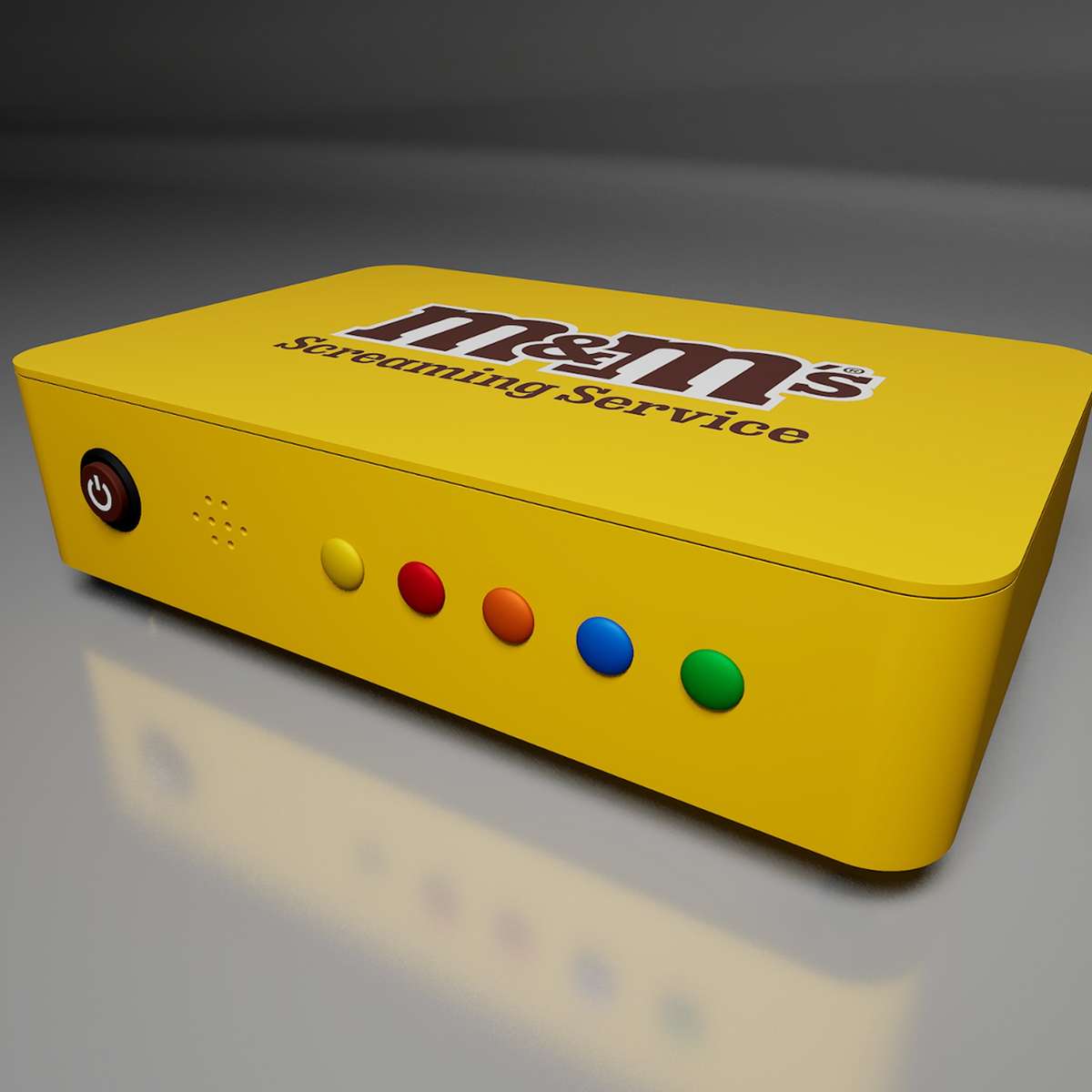
The same campaign page also presents a tongue-in-cheek “Screaming Service Box,” which is explicitly not a real technology device. It offers a familiar joke about watching something together instead of spending a movie night staring at separate screens. That idea gives the cinema stunt a wider context without claiming the box itself is a functioning product.
The shared-scream idea goes beyond a one-off stunt
This is not M&M’S first attempt to make shared laughter a central product story. In 2025, Mars introduced the “It’s More Fun Together” brand platform, framing the candy around social experiences. The UK Halloween work gives that broad message a small, recognizable ritual: friends choosing a scary film and laughing at one another’s reactions.
The Halloween work has also developed in stages. An earlier Screaming Service concept explored the idea of swapping passive streaming for collective screaming. The Rylan prank adds a real location, people who can react in the moment and a ticket promotion that extends the idea beyond the video.
That combination makes this distinct from a typical branded horror parody. There is a physical event for the camera, a celebrity whose presence makes the reveal more surprising, and a follow-up that lets viewers recreate a version of the occasion with their own group. The event is still a piece of advertising, but the joke gives people an experience to understand before asking them to remember a sales message.
What marketers can learn from Scream Time
The interesting lesson here is not how loud a Halloween stunt can be. It is how a straightforward human behavior, laughing together after a harmless fright, can tie the creative, the celebrity and the offer into the same story.
- Make the talent part of the action. Rylan is not just delivering lines beside a product. His recognizable personality is the surprise, which makes the casting essential to the concept rather than interchangeable celebrity decoration.
- Match the reward to the emotion. The four-ticket packages reflect the campaign’s premise that Halloween films are fun with company. An individual voucher would tell a noticeably different story.
- Connect the stunt to a repeatable brand idea. The cinema film fits the wider “more fun together” platform and follows the earlier Screaming Service creative. That continuity gives a seasonal idea more structure than a single surprise video.
There are still limits to what the announcement proves. The supplied information establishes that the prank happened and the giveaway exists. It does not establish whether people entered, shared the film or bought more M&M’S as a result. Those are separate questions for the brand’s campaign reporting.
For audiences, the more immediate appeal is much simpler: the fun of watching somebody else jump, then wanting to bring your own friends to a cinema. M&M’S has made that shared moment the product of the advertisement, with the chocolate itself playing a supporting role.
