
At Día de Muertos, remembering someone can also mean teasing them. In Mexico, calaveritas literarias are playful verses that imagine Death visiting relatives, friends or public figures, often exposing the quirks that made them unforgettable. The humor belongs to the tradition, not outside it.
That balance of affection and mischief is the starting point for PATRÓN Tequila and its upcoming New York show, La Última Risa. Rather than treating the holiday as a decorative theme, the brand is turning a familiar Mexican literary form into a live comedy performance.
Table of contents
Jump to each section:
- A roast built from remembrance
- The one-night event will travel beyond the room
- How tequila brands are borrowing from Mexican traditions
- What marketers should know about cultural storytelling
A roast built from remembrance
La Última Risa, or The Last Laugh, takes place at The Stand in New York City on November 2. The brand’s announcement describes a 75-minute performance inspired by the satirical poems that families write for Día de Muertos.
Mexican comedian Sofía Niño de Rivera headlines the lineup, joined by Jesus Trejo, Chingo Bling, Cris Sosa and Jilberto Soto. Xazmin Garza will host. Niño de Rivera was the first Mexican woman to release a Spanish-language comedy special on Netflix, according to a 2024 account of her career.
In the announcement, Niño de Rivera describes the tradition with a punchline of its own: “Calaveritas literarias are basically the original roast battle.” That comparison gives a general audience a quick way into a holiday custom without turning it into a generic Halloween joke.
The show is not simply bringing comedians to a sponsored stage. It asks performers to translate a recognizable part of Mexican family life into the rhythms of stand-up. The distinction matters because the cultural source is doing the creative work.
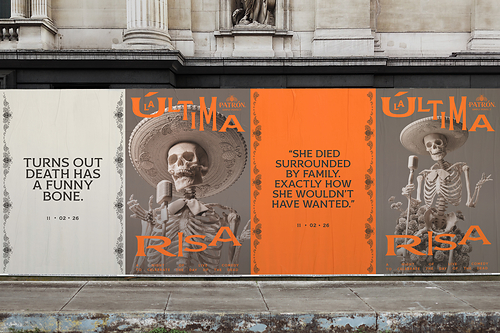
The one-night event will travel beyond the room
Only a limited number of guests aged 21 and over will attend in person. PATRÓN is planning a preshow cocktail reception, with the brand also present throughout the venue. Paid social activity and outdoor placements in New York support the event, while highlights are expected to appear on PATRÓN’s social channels after the show.
That gives the campaign two different experiences. People inside The Stand will get the complete performance; people outside New York will encounter advertisements, event imagery and potentially selected clips. The social content has yet to be released, so its reach and audience reaction are unknown.
PATRÓN is also linking the holiday to themed drinks for audiences at home, including a Tía Mula cocktail with a marigold garnish. This gives the brand a product connection beyond the invitation-only event, but the show itself remains the most distinctive part of the campaign.
A one-night experience can be very small by design. The harder part is making the idea understandable to people who never get through the door. Here, the source material is unusually easy to explain: affectionate, satirical poems have been given a comedy-club stage.
How tequila brands are borrowing from Mexican traditions
PATRÓN is not the only tequila brand using Día de Muertos traditions to tell a story about its Mexican roots. In 2025, rival Don Julio and Panadería Rosetta staged Panadería Don Julio pop-ups, introducing visitors in more than a dozen cities to pan de muerto, the bread associated with remembrance.
For 2026, Don Julio’s El Puente Eterno campaign centers on marigolds, memory and limited-edition packaging. PATRÓN’s approach takes a different cultural entry point: the words and wit of calaveritas literarias, anchored by working comedians rather than a bakery or a product collectible.
These are distinct creative choices, but they point to a shared challenge. A holiday with real personal and cultural meaning cannot be reduced to skulls, flowers and seasonal colors without losing much of what makes it important.
The stronger question for each campaign is whether the traditional form shapes what people actually do. Buying bread, recalling loved ones, sharing stories or hearing a roast inspired by a familiar poem are different ways of participating. None of them automatically proves cultural credibility or commercial success.
What marketers should know about cultural storytelling
La Última Risa shows how a brand can build an experience around a tradition’s existing social behavior rather than only borrowing its visual style.
- Start with a recognizable human ritual. Calaveritas are personal because they turn the people we remember into characters, complete with flaws and jokes. The event works from that idea rather than treating Día de Muertos as a backdrop.
- Choose talent that can perform the idea. Niño de Rivera and the wider lineup are central to the comedy format, not just names added to a poster. Whether the performance succeeds will depend on what they do with the material onstage.
- Give the experience a second life without pretending it is universal. The invited audience will be small. Planned clips and outdoor advertising can introduce the premise to others, but the campaign has not yet demonstrated audience response.
- Distinguish cultural relevance from commercial results. A culturally specific idea may make an event more coherent. It does not, by itself, establish sales lift, brand favorability or social reach.
The most interesting detail is the format change. Poetry that usually lives on a page or around a family table is being adapted into the public language of stand-up.
That creates a marketing story with an actual cultural mechanism. The event is scheduled for November 2, and its eventual reception will provide a clearer test of whether the comedians can carry that mechanism beyond the announcement.
For now, PATRÓN’s campaign is a useful example of making heritage part of the experience itself, rather than simply putting heritage on the invitation.
