Replenit has raised $2.5 million in a pre-seed round to build an AI decision engine designed to connect retailers’ data warehouses with CRM and marketing automation systems.
The core pitch is practical: many retail teams have first-party data sitting in warehouses, but struggle to turn it into consistent next-best actions across email, SMS, on-site personalization, and other lifecycle programs.
Short on time?
Here’s a quick look at what’s inside:
- What Replenit is building, in plain terms
- Why this layer matters for first-party data activation
- What to look for in implementation and measurement
What Replenit is building, in plain terms
Replenit is positioning itself as a decisioning layer: software that sits between a company’s first-party data foundation (often a data warehouse) and the systems that execute marketing (CRMs and marketing automation tools). Instead of asking teams to manually create complex segmentation logic per channel, the product aims to output the “next best action” for each customer and push those decisions into existing tools.
That framing matters because many retail stacks are already crowded. Retailers may already run a CRM, an email service provider, a CDP, analytics, and a warehouse. A decision engine approach tries to avoid ripping and replacing those systems, focusing on making them more consistently actionable.
Replenit is also relatively early as a business. Founded in 2025 and raising $2.5 million total funding to date, this pre-seed round signals the company is still in the “prove repeatable outcomes” phase, where customer results and integration reliability will matter as much as model performance.
 ContentGrip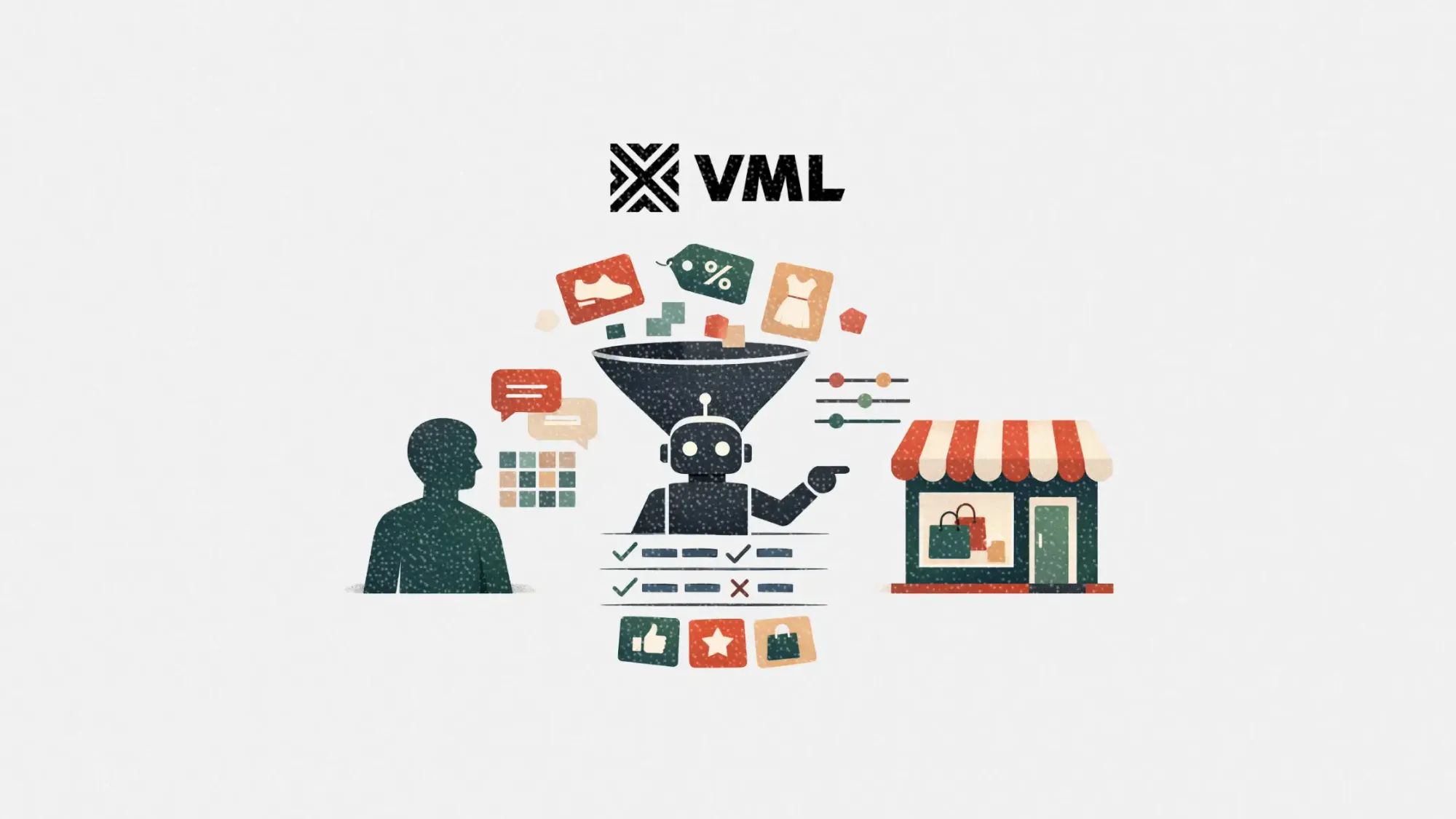
Why this layer matters for first-party data activation
Replenit’s focus aligns with a broader shift toward first-party data infrastructure and AI marketing automation. Marketers increasingly want to reduce reliance on third-party signals, but “having data” and “using data” are different problems. The limiting factor is often operational: translating events, product behavior, and purchase history into actions that are consistent across channels and teams.
In practice, decisioning tools compete on how well they connect to existing workflows. If an engine can reliably drive audiences, content logic, and prioritization into CRM and marketing automation without breaking attribution or data governance, it can become a durable piece of the lifecycle stack.
Replenit also claims reported gains in automation-driven revenue for clients, including brands such as L’Occitane and Glosel. Those outcomes, while not independently quantified here, indicate the company is trying to compete on measurable incremental impact rather than just “AI features.”
What to look for in implementation and measurement
For marketing and CRM teams evaluating a decisioning layer like this, the first questions are typically less about the model and more about data and ops:
- Data readiness and identity: If customer events and profiles are fragmented across systems, “next best action” recommendations can degrade quickly. Teams should clarify what identifiers and event schemas the engine expects.
- Activation fidelity: The value is realized only if decisions reliably reach the CRM and marketing automation tools and map cleanly to campaigns, audiences, and suppression logic.
- Experiment design: To validate incremental lift, teams should plan holdouts and channel-level tests early. Without controlled measurement, decisioning can look effective simply because it increases activity.
- Governance and explainability: Marketers will need to understand why actions are recommended, especially for promotions, churn prevention, and winback flows where business rules often coexist with algorithmic logic.
Given the company’s early stage, the near-term signal to watch is whether Replenit can expand beyond a handful of lighthouse customers into repeatable deployments, with consistent integrations across common retail data and CRM setups.