Generative AI is rapidly changing how consumers search, shop, discover products, and interact with brands. But as AI-powered experiences become more common, consumers are not becoming less emotional or less brand-conscious. In many ways, the opposite is happening.
That tension sits at the center of Prophet’s latest research report, The Rise of the AI-Powered Consumer, which surveyed more than 2,400 consumers across the US, UK, Germany, China, and Singapore. The findings suggest that while consumers are embracing AI at remarkable speed, they are also placing greater importance on trust, transparency, and emotionally consistent brand experiences.
For marketers, this shifts the conversation beyond automation and productivity gains. AI may improve efficiency, but as AI-generated experiences become easier to replicate, differentiation increasingly comes from brand identity, customer trust, and the ability to create experiences that still feel recognizably human.
Table of contents
Jump to each section:
- What Prophet’s AI consumer report reveals about changing consumer expectations
- Why consumers still crave authenticity and human connection
- How brands are using AI without losing their identity
- What marketers should know about AI-powered loyalty and discovery
- Why marketers need to rethink brand strategy for AI-driven journeys
- The bigger challenge for brands in the AI era
What Prophet’s AI consumer report reveals about changing consumer expectations
Prophet’s research highlights how quickly GenAI has entered mainstream consumer behavior. Across surveyed markets, 45% of consumers said they had used GenAI tools in the past six months, with adoption climbing to 60% in China and 56% in Singapore.
Consumers are not just experimenting with AI tools casually either. Many already expect AI to improve shopping, recommendations, personalization, customer support, and everyday decision-making.
According to the report:
- 76% of respondents said they are excited about GenAI’s possibilities
- 73% believe brands using GenAI are innovative
- 77% said AI helps them discover new ideas and inspiration
- 82% want brands to disclose when AI is being used
- 57% worry AI could reduce human interaction
This creates a difficult balancing act for marketers. Consumers want AI-enhanced experiences, but they do not want brands to feel artificial, robotic, or emotionally detached.
The report repeatedly emphasizes that customer-centricity, not automation alone, will define successful AI adoption. In other words, brands cannot outsource trust to AI systems.
Why consumers still crave authenticity and human connection
One of the strongest themes in the report is the growing importance of authenticity as AI-generated content becomes more common.
Consumers are increasingly aware that AI can produce polished content at scale. But hyper-polished experiences can also feel generic or emotionally empty if brands rely too heavily on automation.
That concern appears strongest in Singapore, where 57% of surveyed consumers said they find some aspect of AI worrisome. Meanwhile, 75% expressed concern about AI replacing human interaction.
The report argues that this paradox actually increases the value of branding:
- Human storytelling becomes more important
- Brand voice consistency matters more
- Emotional differentiation becomes harder to fake
- Transparency becomes a baseline expectation
This becomes particularly important as AI-driven discovery and shopping assistants gain influence over consumer decision-making.
Consumers may rely on AI tools for discovery and decision-making, but they still want brands to feel trustworthy and human.
How brands are using AI without losing their identity
The report highlights several examples of how brands are using AI in ways that strengthen rather than dilute their positioning.
Telekom Malaysia’s “Sejuta Suara, Satu Ritma, Jiwa Merdeka” campaign used AI-powered lip-syncing and voice cloning to celebrate Malaysia’s linguistic diversity during Independence Day celebrations. Instead of showcasing AI for novelty, the campaign tied the technology directly to cultural identity and emotional resonance.
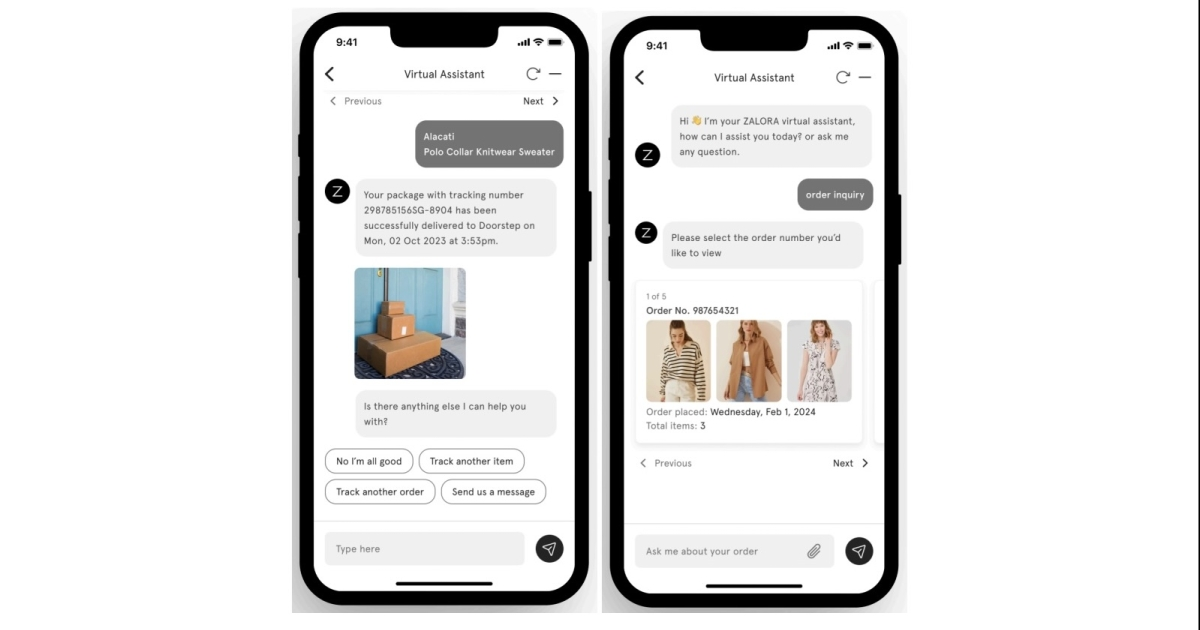
Zalora took a more operational approach by developing a multilingual AI chatbot connected to customer service systems. The focus was not just efficiency, but maintaining a customer experience that still felt distinctly aligned with the brand’s personality and tone.
The report also points to brands like AirAsia, Shiseido, DBS Bank, and Grab, which combine AI-powered assistance with human escalation paths, personalized expertise, or ecosystem support.
The pattern here is important:
- AI handles speed and personalization
- Humans provide reassurance and trust
- Branding creates emotional continuity across both
This hybrid model may become the dominant approach for AI-enabled customer experiences.
What marketers should know about AI-powered loyalty and discovery
One of the most valuable sections of the report focuses on how AI is reshaping discovery, personalization, and loyalty.
Consumers increasingly expect AI systems to:
- Recommend products tailored to their preferences
- Help them make smarter purchasing decisions
- Surface opportunities they may otherwise miss
- Automate routine decision-making
- Improve financial and personal wellbeing
The report also notes that entertainment and inspiration are currently among the most popular consumer use cases for GenAI, not just productivity. That has major implications for marketing strategy.
Marketers should pay attention to these shifts:
- Discovery is changing fast
Consumers are beginning product journeys inside AI tools instead of traditional search engines. Brands now need content optimized for conversational discovery, not just SEO keywords.
- Personalization is becoming the baseline
Generic recommendation engines are no longer enough. Consumers expect AI systems to understand intent, preferences, and context in real time.
- Brand-specific AI remains underdeveloped
Only 2% of surveyed consumers said they currently use brand-specific AI tools. That signals a major opportunity for companies willing to build differentiated AI experiences.
- Loyalty programs could become AI-native
The report predicts increasing demand for AI systems that optimize loyalty points, automate rewards usage, and negotiate value on behalf of consumers.
- Human oversight still matters
Consumers remain wary of fully autonomous systems. Human support and escalation paths remain critical trust signals.
For marketers, this means AI strategy cannot sit solely inside IT or operations teams anymore. It is becoming deeply connected to brand strategy, customer experience, and retention.
Why marketers need to rethink brand strategy for AI-driven journeys
One of the report’s strongest warnings is that many businesses are still approaching AI too narrowly, forcing marketers to rethink brand strategy for increasingly AI-driven customer journeys.
According to the Prophet, companies often ask: “How can we use GenAI to do what we already do, better and cheaper?”
But the report argues the bigger opportunity lies in reimagining customer journeys altogether. Consumers are already using AI across multiple phases of decision-making:
- Pre-purchase discovery
- Product comparison
- Personalized recommendations
- Customer support
- Post-purchase optimization
- Loyalty management
This means marketers may need to rethink:
- How brands appear inside AI-driven search and recommendation systems
- What branded AI experiences should exist
- How conversational interfaces replace traditional funnels
- Which moments require human interaction
- How first-party data strategies evolve for AI personalization
The report also predicts that AI agents may eventually negotiate with brands on behalf of consumers. If that happens, precision messaging, structured data, and trusted brand positioning could matter even more than traditional advertising formats.
That is a major shift for performance marketing teams used to optimizing around clicks and impressions.
The bigger challenge for brands in the AI era
The core message of Prophet’s report is surprisingly human: technology alone will not create meaningful competitive advantage.
As AI tools become widely accessible, differentiation may increasingly come from:
- Trust
- Transparency
- Emotional connection
- Brand consistency
- Ethical AI deployment
- Human-centered experiences
That is especially important because consumers are becoming more aware of how AI systems operate. According to the report, 80% of respondents believe companies should develop clear AI ethics guidelines, while 82% expect disclosure around AI usage.
The brands that succeed will likely be the ones that treat AI as an extension of customer experience strategy rather than just an automation layer.
In practice, that means using AI to enhance human value, not erase it.
For marketers, this may be the real lesson from the AI era so far: branding is not becoming less important because of AI. It may actually become the main thing separating meaningful brands from interchangeable AI-generated noise.