KC Green, creator of the “This is fine” meme, has reached an agreement with AI startup Artisan after criticizing the company for using a version of his artwork in advertising.
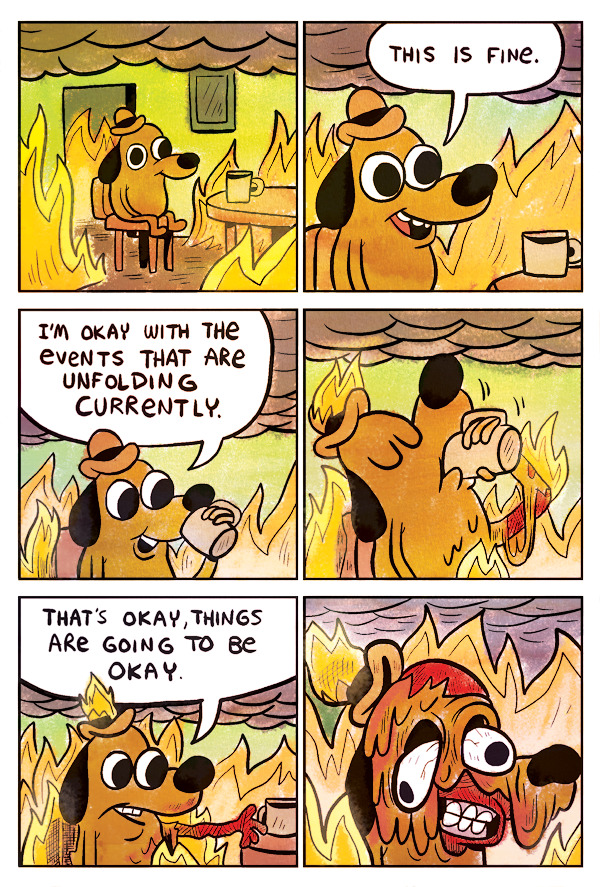
The dispute highlights a practical risk for AI and B2B marketing teams: recognizable creative references can create brand attention quickly, but they can also trigger rights, reputational, and operational fallout just as fast.
Table of contents
Jump to each section:
- What happened between KC Green and Artisan
- Why this matters for AI marketing and ad creative teams
- Operational lessons: approvals, brand safety, and takedown readiness
What happened between KC Green and Artisan
Artisan promoted its AI assistant, Ava, using bus and subway ads that depicted a recognizable version of Green’s “This is fine” dog sitting in flames. The text was altered to “My pipeline is on fire,” alongside a call to “Hire Ava the AI BDR.”
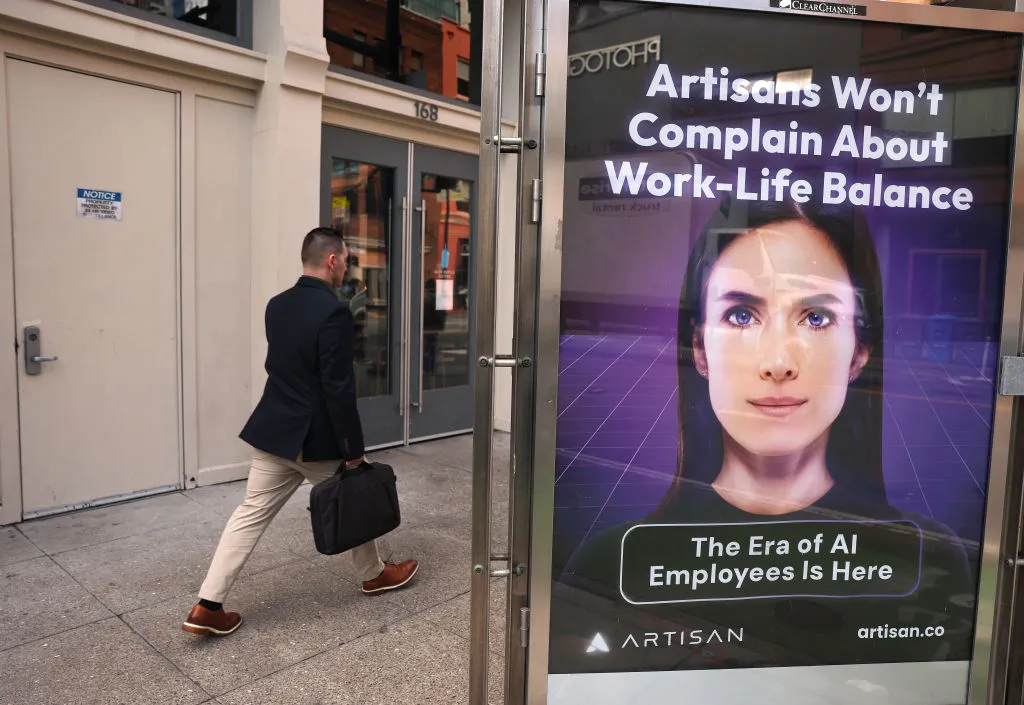
Green publicly criticized the use of the artwork and urged followers to vandalize the ads if they saw them. He also expressed frustration about potentially having to spend time navigating the US court system rather than working on his comics.
The two sides later reached a settlement. As part of the agreement, Artisan took down the ads in New York and San Francisco that used Green’s character, and Green took down his initial post.
Why this matters for AI marketing and ad creative teams
For AI startups and performance-driven teams, familiar visual memes can be tempting because they compress meaning into a single image and can improve ad recall. The tradeoff is that “recognizable” can also mean “derivative,” and that is where creative strategy intersects with IP risk.
This situation also shows how quickly an advertising execution can become a product narrative problem. The ad was meant to position Ava as an AI BDR for stressed sales pipelines, but the public conversation shifted to creative misuse and business conduct. Once that shift happens, the marketing team is no longer optimizing click-through rates, it is managing reputational damage, legal exposure, and inventory takedowns.
Finally, the resolution itself matters operationally: ads were removed in specific cities, and posts were taken down. That is a reminder that disputes can end without a protracted court fight, but still impose real costs, distraction, and loss of campaign momentum.
Operational lessons: approvals, brand safety, and takedown readiness
Marketing leaders can treat this as a process design problem, not only a creative one:
- Creative clearance needs to match channel risk
Out-of-home placements like buses and subways are hard to quietly iterate. If a concept relies on a widely known character or meme format, require explicit clearance before media buying.
- Separate “reference” from “reproduction.”
If the creative depends on specific composition, character, or iconic context (like the dog-in-fire scene), teams should assume audiences and rights holders will read it as a direct lift, even if text is changed.
- Plan a fast rollback path
The agreement involved takedowns in New York and San Francisco. Campaign plans should include who can authorize removal, how quickly vendors can act, and what replaces pulled creative to avoid dead spend.
- Align exec messaging early
Artisan’s CEO publicly said the sides reached an agreement. In moments like this, consistent messaging reduces the risk of conflicting statements from founders, marketing, and legal.
Taken together, the incident reinforces a baseline standard for AI marketing: speed-to-market is valuable, but the cost of rework and reputational correction can erase those gains if creative governance is not built into the workflow.